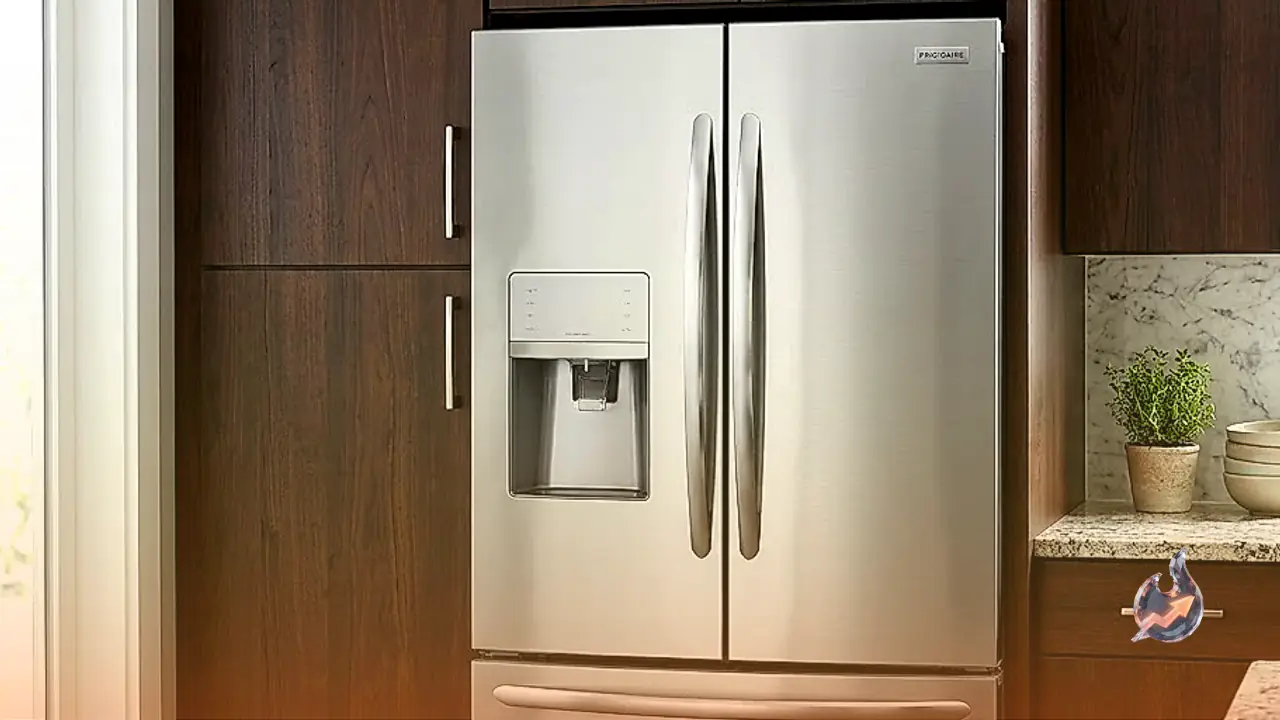
























The FDA has reported multi-state salmonella outbreaks linked to jalapeños, granola, dog food, alfalfa sprouts, and eggs found in refrigerators everywhere. Although recent recalls involved specific suppliers and major grocery chains like Kroger and Simple Truth, contamination risks remain a persistent concern for consumers who prefer raw or lightly cooked preparations.
The Salmonella Risk in Raw Eggs
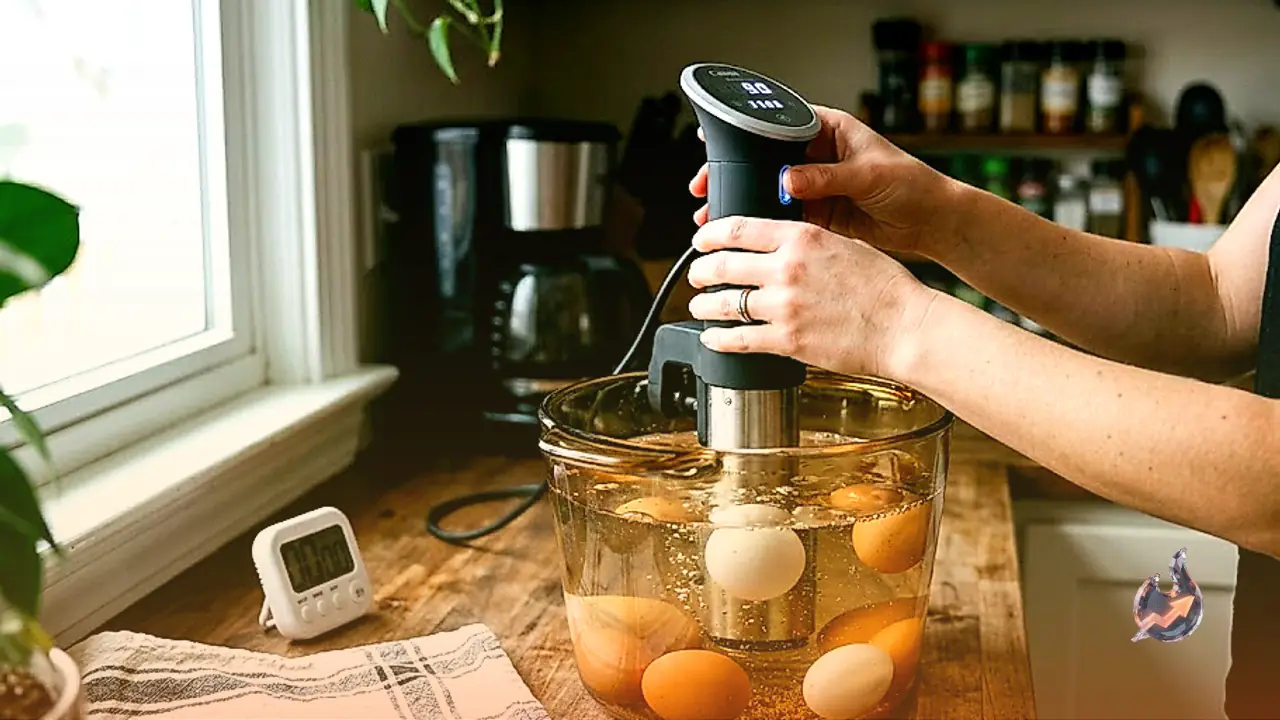
Using an immersion circulator, a pot of water, and about 90 minutes, it is possible to make refrigerator eggs safe for raw recipes like Hollandaise and carbonara. Salmonella, which triggers severe diarrhea and fever, is a long-standing issue associated with egg commodities. Catholic Health infectious disease director Alan Bulbin notes that eggs remain a primary food source for outbreak illnesses.
Chickens often carry Salmonella enteritidis through droppings or ovarian transmission. Because it is nearly impossible to spot contaminated eggs visually, historical USDA estimates suggested 1 in 20,000 eggs could carry the bacteria. Despite a massive 2009 safety rule implementation, complete eradication has not occurred.
Safety Guidelines and Commercial Differences
Proper refrigeration at 42 degrees Fahrenheit or below and handwashing remain vital. Thorough cooking kills the bacteria, but many culinary creations like mayonnaise, aioli, and royal icing rely entirely on raw eggs. While liquid carton eggs undergo pasteurization, they typically contain only whites rather than whole eggs.
Whole shell eggs are rarely pasteurized due to the complexity of heating them between 130 and 140 degrees Fahrenheit without actually cooking the albumin. However, home cooks can replicate this process using precision kitchen tools originally designed for laboratory incubation.
Testing the Immersion Circulator Method
Using the Anova 3.0 immersion circulator model, tests were conducted on store-bought eggs to evaluate home pasteurization. Experts like Kristin Burkholder from the University of New England note that while sous vide pasteurization significantly reduces bacterial risk, immunocompromised individuals should still exercise caution.
The process requires clipping the circulator to a water-filled pot, setting the target temperature to 135 degrees Fahrenheit, and maintaining that precise heat for roughly an hour. The heating phase does not count toward the required pasteurization duration. After the 90-minute bath, plunging the eggs into an ice bath cools them down effectively.
Inspection of the treated eggs revealed minimal changes to the white texture, leaving them entirely usable for recipes requiring raw eggs while offering valuable peace of mind against foodborne illness.