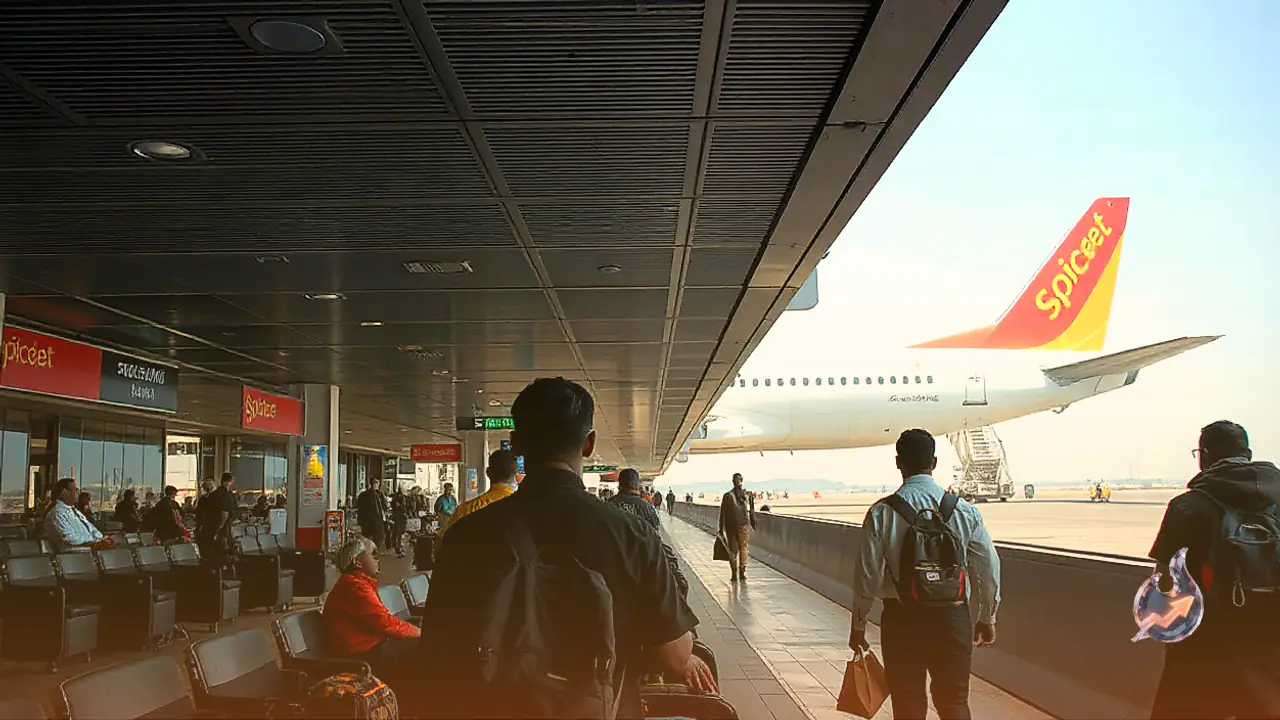

Troubles continue to escalate for SpiceJet as its cockpit crew has voiced deep concerns regarding operational safety and financial stability. Following widespread passenger frustration caused by persistent flight delays and sudden cancellations, the Federation of Indian Pilots (FIP) has stepped in, urging aviation regulator DGCA to conduct an urgent financial and safety audit of the airline.
Formal Representation to Civil Aviation Ministry
Taking the matter to the highest levels of governance, the pilot representative body addressed a formal letter to Civil Aviation Minister K. Rammohan Naidu, calling for swift intervention from the ministry. In its submission to the DGCA, the FIP raised pivotal questions about whether the ongoing financial distress experienced by the carrier is compromising flight safety or negatively impacting the working conditions of aircrew. To prevent operational vulnerabilities across the industry, the association recommended that the financial health and safety mechanisms of every scheduled airline undergo a mandatory annual audit.
Regulatory Show-Cause Notice Issued on November 17
This fresh push from pilots comes at a critical juncture, as SpiceJet is already contending with regulatory oversight. On November 17, the DGCA served a formal show-cause notice to the airline, seeking explanations for the surging number of flight cancellations, operational disruptions stemming from delayed vendor payments, and non-compliance with statutory standards. The authority granted SpiceJet a seven-day window to provide a comprehensive explanation. The pilots' latest intervention shifts the focus beyond everyday operational hurdles, placing financial stability and core safety compliance squarely under scrutiny.
Call for Quarterly Audits of Distressed Carriers
Outlining broader recommendations for aviation safety, the FIP proposed a structured oversight framework. While all scheduled operators should face yearly assessments, airlines already enduring severe financial stress ought to be subjected to quarterly audits every three months. The pilot body emphasized that an airline's financial distress cannot be viewed solely through the lens of a balance sheet. When liquidity becomes constrained, the operational ripple effects inevitably touch aircraft maintenance, staff welfare, operational readiness, and the efficacy of safety management systems.
Focus on Safety Management Systems and Crew Fatigue
A central demand put forth by the FIP includes a thorough investigation into SpiceJet's internal Safety Management System (SMS). Furthermore, the association highlighted mounting issues related to flight crew fatigue and stress. The representative body asserted that an environment must be cultivated where pilots and cabin crew feel fully empowered to report safety concerns and operational irregularities without facing corporate intimidation or fear of retribution.
Job Security and Potential Aviation Risks
Underlining the human factor in flight safety, the FIP drew attention to job security concerns among airline personnel. According to the association, when workers operate under the looming threat of job loss or severe financial strain, they become hesitant to report fatigue, procedural flaws, or technical glitches. Pilots warned that if staff remain afraid of punitive measures for flagging safety hazards, it compromises the fundamental safety architecture of commercial aviation.