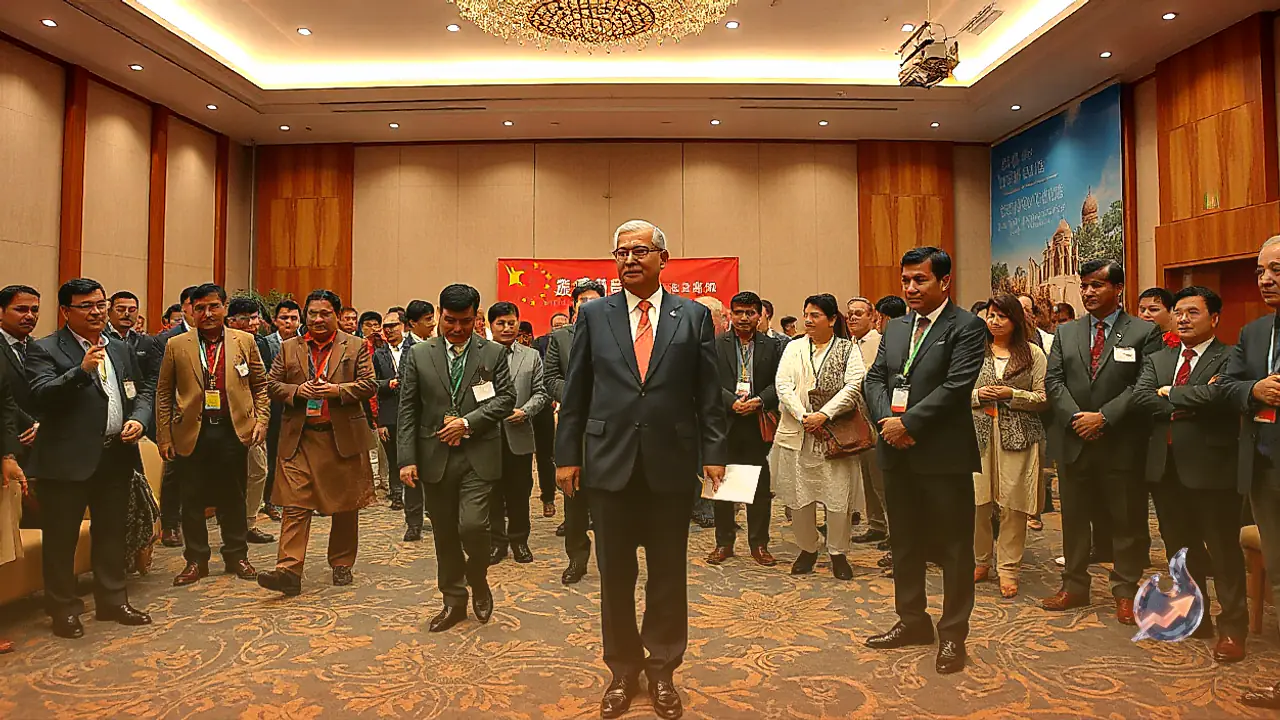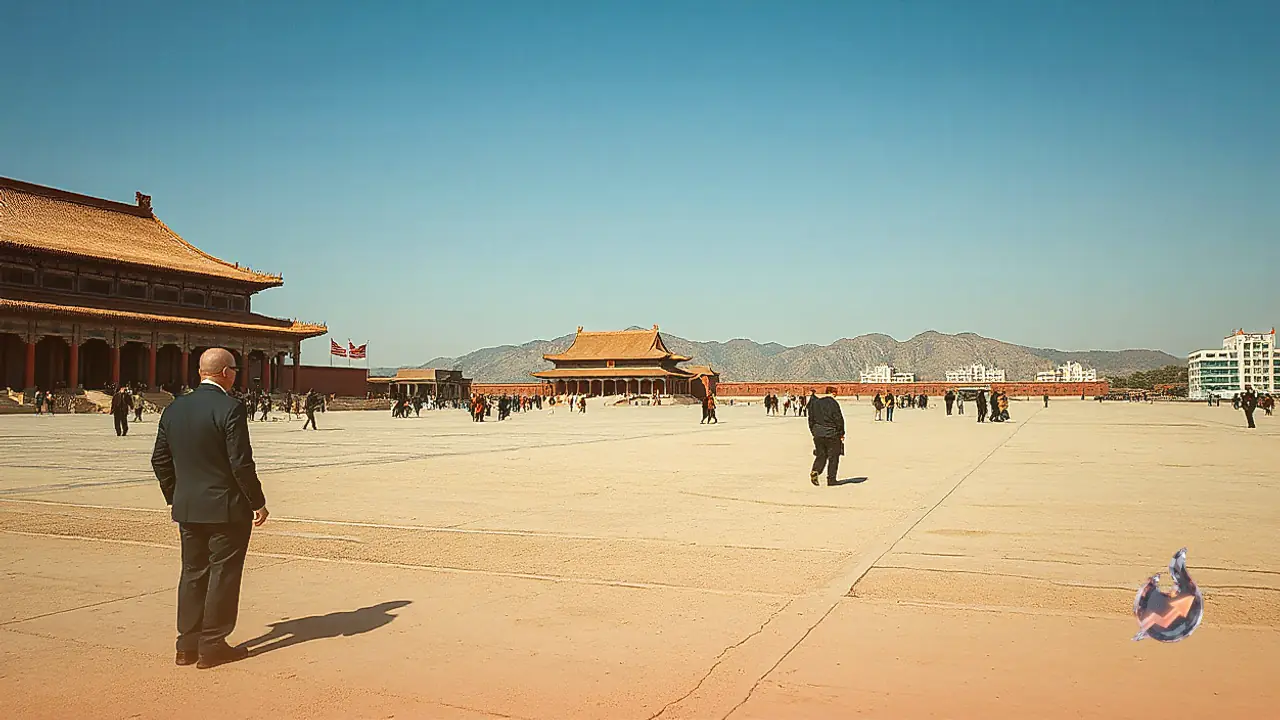

An extraordinary diplomatic gesture took center stage at the Asia-Pacific Economic Cooperation (APEC) summit in Shenzhen, China. As world leaders gathered in the technology hub, Chinese President Xi Jinping personally arrived at the airport runway to receive US President Donald Trump upon the landing of Air Force One. In the realm of international relations, a personal reception by China's head of state at an airport is considered a exceedingly rare departure from established protocol.
A Grand Welcome on the Tarmac
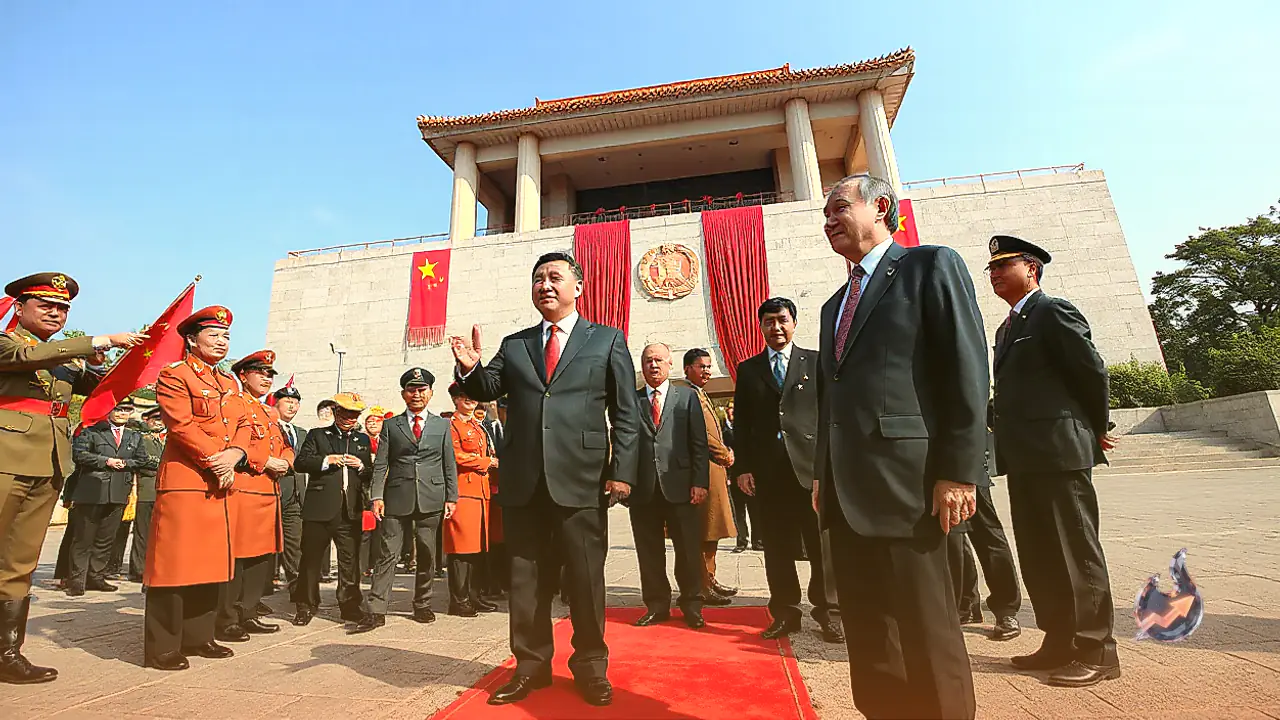
US President Donald Trump was greeted with elaborate ceremonies upon his arrival in Shenzhen. President Xi Jinping stepped forward onto the red carpet laid out for the arriving delegation to personally welcome the American leader. The two leaders shared a warm handshake and an embrace. Flanking the red carpet, a group of young dancers performed with pom-poms in traditional Chinese fashion, creating a festive atmosphere. The US President appeared visibly pleased with the enthusiastic reception.
Understanding Chinese Diplomatic Protocol and Its Importance
In global diplomacy, the protocol governing who receives a visiting head of state reflects the strategic weight and warmth of bilateral ties. Under standard Chinese foreign policy procedures, visiting foreign leaders are greeted at the airport by the Foreign Minister or another senior cabinet official. A direct airport welcome by President Xi Jinping himself is virtually unprecedented. Even during Trump's previous visit to China from May 13 to May 15, 2026, standard reception procedures were followed by ministerial officers. Consequently, Beijing's decision to bypass protocol this time signals a strategic emphasis on this meeting.
Foreign policy analysts suggest several motives behind Beijing's tactical hospitality. Amid persistent frictions over bilateral trade, technology policy, and maritime disputes in the South China Sea, the gesture aims to signal China's readiness to maintain open lines of communication. Furthermore, recognizing Trump's affinity for personal rapport and ceremonial gestures, Beijing aimed to foster a constructive tone right from the outset of the summit.
Comparison with Russian President Vladimir Putin
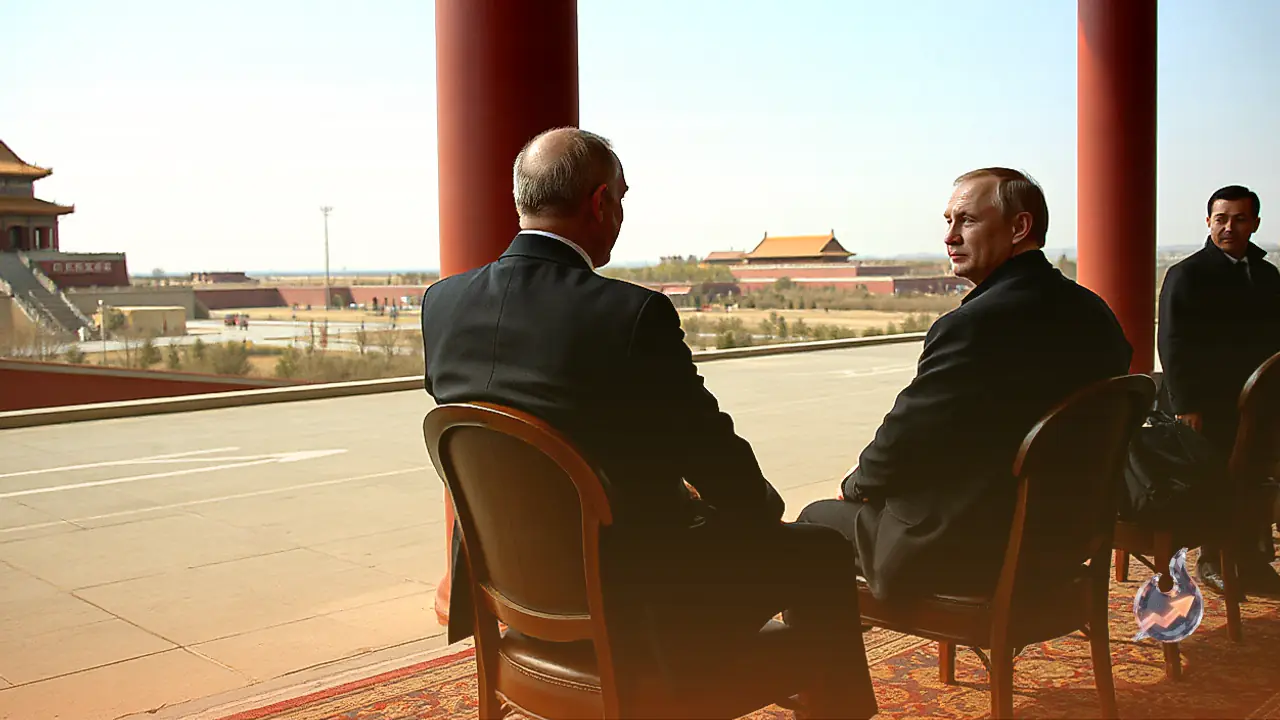
This departure from protocol is particularly striking when compared to China's handling of visits by Russian President Vladimir Putin, widely regarded as Xi's closest strategic partner. Despite having met approximately 50 times over the years, Xi Jinping has never traveled to the airport to receive Putin.
During Putin's visits to China, including those in May 2024 and May 2026, the airport reception was invariably managed by China's deputy prime ministers or senior ministers. Xi Jinping's formal welcome ceremonies for Putin have consistently taken place at the Great Hall of the People in Beijing. Moscow adheres to a similar convention: during Xi's state visits to Russia in 2019 and 2023, President Putin did not attend the airport, leaving the honors to Russia's Deputy Prime Minister.
While Xi has broken other protocols for Putin—such as awarding him China's highest state honor, the Friendship Medal, traveling together on high-speed trains, and sharing birthday celebrations with cake and vodka—personally greeting a visiting leader at the airport runway with an embrace is a gesture Xi Jinping has reserved strictly for Donald Trump throughout his tenure.
China's Strategic Calculus and Trilateral Dynamics
International observers identify three primary strategic objectives behind Beijing's high-profile welcome
- Projecting Global Leadership: Against the backdrop of global turbulence and the ongoing conflict between Russia and Ukraine since 2022, hosting both the US and Russian leaders allows China to frame itself as a responsible global mediator capable of engaging key global powers.
- Leveraging Transactional Diplomacy: Recognizing Trump's deal-making approach, China seeks to establish positive momentum early to build leverage in upcoming discussions regarding trade terms and tariffs.
- Promoting a Multipolar Order: Prior to Trump's arrival, Xi and Putin held bilateral talks emphasizing a multi-polar global architecture where influence is distributed across multiple nations. By warmly receiving Trump, China demonstrates its ability to maintain strong ties with Russia while engaging as an equal counterpart to the US.
As the APEC proceedings unfold in Shenzhen, global attention remains focused on the potential trilateral interactions between Trump, Xi, and Putin, particularly regarding discussions surrounding global security and the conflict in Ukraine.