




















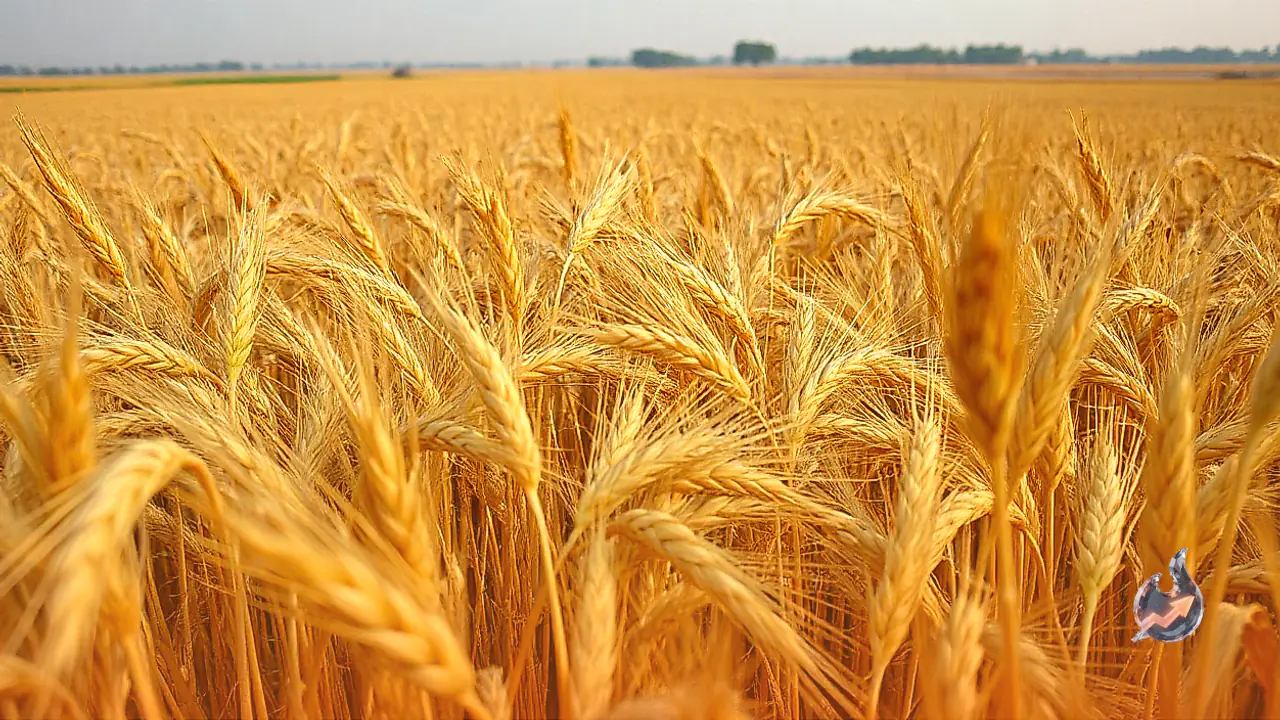

Farmers across the Surguja district of Chhattisgarh are actively looking for lucrative crop options following the completion of their paddy harvest. To ease their concerns, agricultural experts have identified wheat cultivation as a milestone opportunity for the rabi season. When undertaken with proper techniques and minimal expenses, farmers can achieve remarkable productivity without facing major pest or disease challenges that typically trouble other crops. Agricultural expert Pawan Kumar has detailed valuable guidelines and precautions to help farmers maximize their wheat yields during the winter season.
Wheat Emerges as a Lucrative Source of Income in Rabi
With paddy harvesting wrapped up, local cultivators face the task of preparing their fields for the rabi season, where wheat farming stands out as an exceptionally viable choice. Agricultural expert Pawan Kumar informed that preparing the soil through thorough ploughing is the absolute first step toward achieving a bountiful wheat harvest. Following the ploughing process, farmers must irrigate the field to maintain adequate soil moisture, which directly facilitates better seed germination and establishes strong root systems.
Mid-November to December is the Ideal Sowing Window
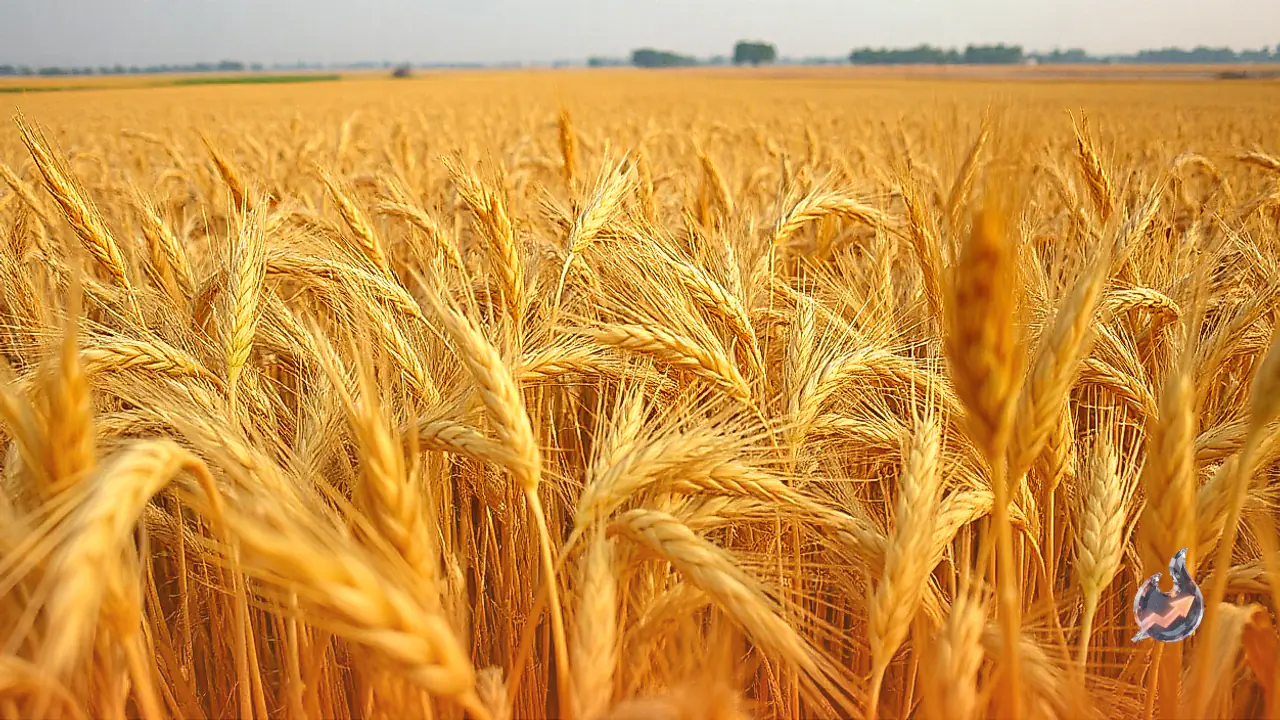
According to agricultural specialists, the ideal window for sowing wheat stretches from November through the middle of December. Farmers can clear their harvested paddy fields and immediately begin wheat planting. Sowing within this recommended timeframe provides the crop with an optimal growth period. Under normal weather conditions, the crop approaches maturity anywhere from the final week of January through the early days of February, though the exact harvesting schedule ultimately depends on the specific seed variety and planting date.
Proper Field Preparation and Plotting Techniques
Before putting seeds into the ground, the field requires meticulous ploughing to achieve fine soil consistency. Constructing small plots or beds within the field proves highly advantageous during irrigation, as it ensures water spreads evenly across the entire area while retaining vital soil moisture. Soil conditions must be carefully evaluated during land preparation to guarantee that seeds sprout uniformly and vigorously.
Certified Seeds Available Through Agricultural Societies
Farmers do not need to struggle or wander far to secure quality wheat seeds for their fields. Through block-level societies operated under the guidance of the agriculture department, certified wheat seeds are readily distributed to cultivators. Pawan Kumar noted that the current price of these committee-provided seeds stands at 1,460 rupees. The agriculture department thoroughly tests these seed varieties beforehand, ensuring quality checks are completed at designated experimental farms before the seeds reach the farming community.
Guarding Against Termites and Ensuring Timely Irrigation
While wheat crops generally experience lower incidences of disease outbreaks compared to other seasonal crops, termites can pose a severe threat by damaging plant roots. Consequently, inspecting fields for termite activity prior to sowing and seeking expert advice for proper chemical control is crucial. Furthermore, timely watering remains indispensable throughout the crop lifecycle. Experts advise that a wheat crop typically requires roughly three rounds of irrigation from sowing until harvest, which farmers can efficiently manage by cutting small channels across the plots.
Anticipating 10 to 12 Quintals of Yield Per Acre
Wheat cultivation serves as an outstanding avenue for achieving high agricultural output with restrained investment. Based on insights from expert Pawan Kumar, if farmers adhere strictly to recommended practices regarding land preparation, seed selection, and watering schedules, they can successfully harvest between 10 and 12 quintals of wheat per acre. Overall expenses primarily encompass ploughing charges, seed costs, and standard farming labor, while final financial returns will ultimately be dictated by prevailing market rates, total output volume, and operational expenses.