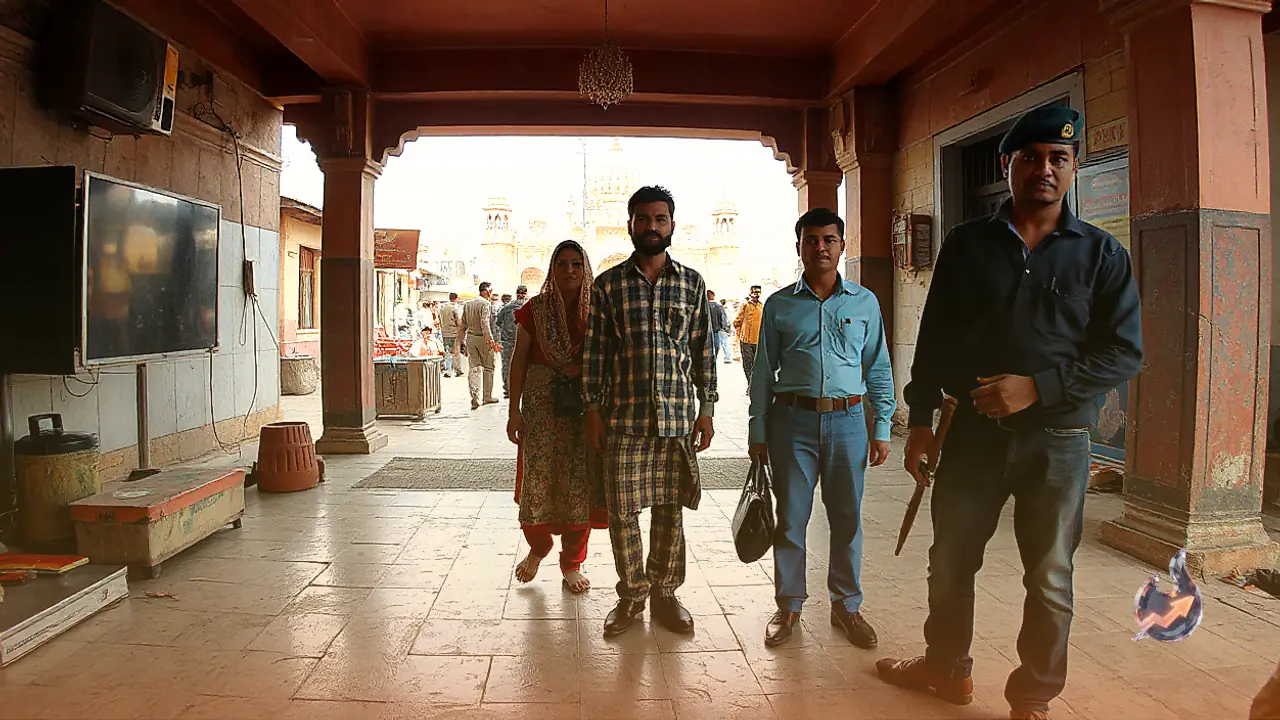
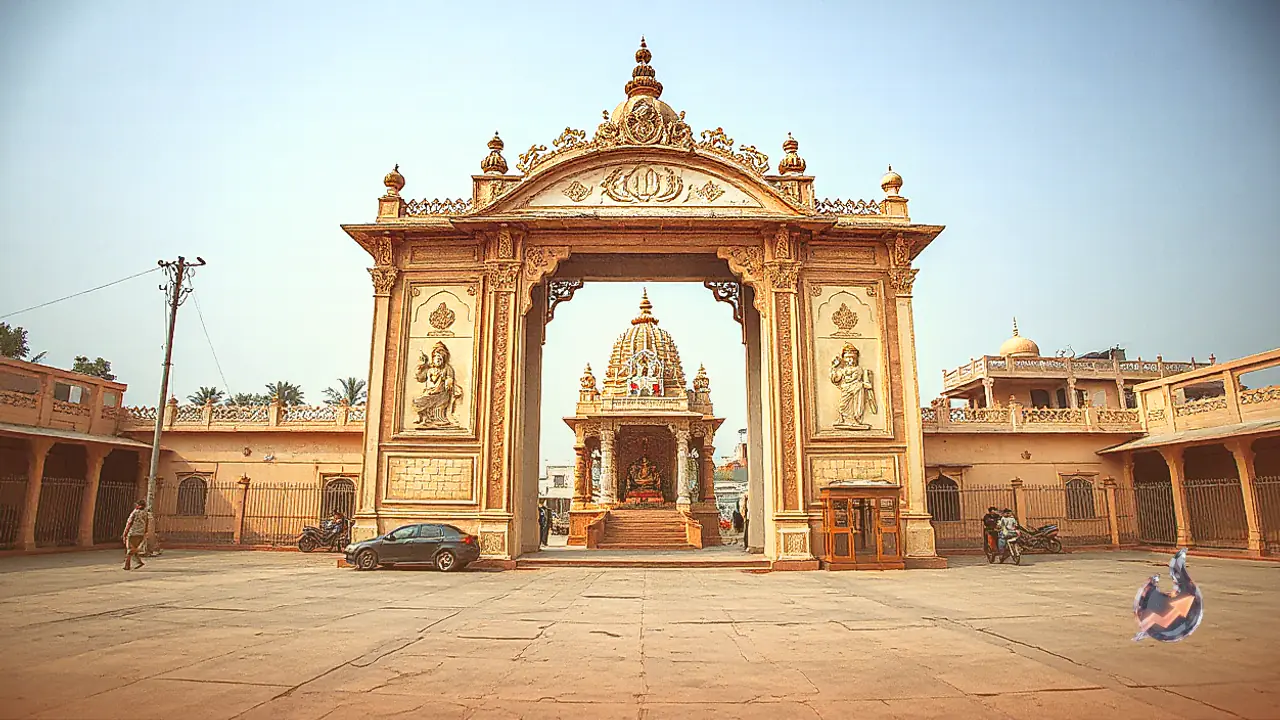

















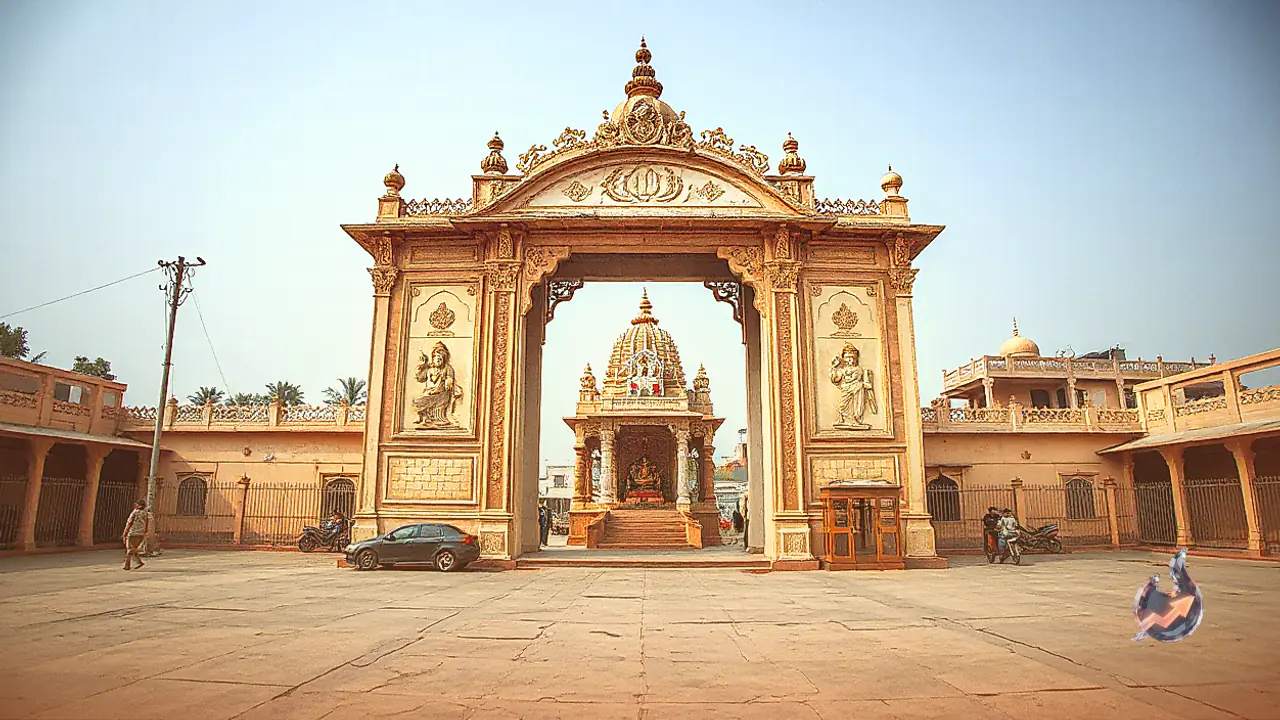

Jaipur is globally renowned not only for its magnificent palaces, historic forts, and bustling traditional markets but also for its ancient temples that harbor unique traditions and deep-rooted beliefs. Nestled inside the walled city near Surajpol Gate stands a remarkable shrine that has captured the devotion of locals and visitors alike for centuries. This 250-year-old Shwet Siddhi Vinayak Temple is unique across the entire state of Rajasthan as the sole sanctuary housing an immaculate white idol of Lord Ganesha. What truly sets this sacred destination apart from other places of worship is its distinct ritualistic practice where the deity is bathed exclusively in milk rather than being adorned with traditional vermilion.
Historical accounts reveal that the temple traces its origins back to the reign of Jaipur ruler Sawai Ram Singh. The sacred establishment of this shrine took place on a Wednesday coinciding with the auspicious festival of Vasant Panchami. During those historical times, Sawai Ram Singh himself frequently visited the sanctum to offer prayers and seek the blessings of Lord Ganesha. While the city boasts several revered Ganesha temples known for their individual significance, the architectural details and spiritual framework of the Shwet Siddhi Vinayak Temple remain entirely distinctive. A striking feature of the primary deity is the serpent sculpted to serve as a sacred thread across the torso. Furthermore, the installation of this revered idol was performed strictly according to esoteric Tantric rituals, which explains why traditional vermilion paste is never applied to the sculpture.
Countless fascinating beliefs surround the shrine, drawing devotees from far and wide to witness its divine aura. As an east-facing temple, the very first rays of the morning sun fall directly upon the feet of Lord Ganesha, creating a natural daily benediction. The white idol is uniquely bound with four serpents wrapped around its hands and feet, rendering the ritualistic milk offering exceptionally auspicious. According to local tradition, the milk offered during these sacred baths is consumed by the serpents residing within the premises. Because of its Tantric origins, the deity is regarded as a powerful manifestation capable of granting swift resolutions to prayers. Alongside Lord Ganesha, the complex also houses shrines dedicated to Radha-Krishna and Chitragupta, the divine accountant of Lord Yama. Positioned in the northeast corner, this dedicated space symbolizes the eternal recording of human deeds, and devotees firmly believe that Chitragupta maintains an account of every individual's virtues and sins.
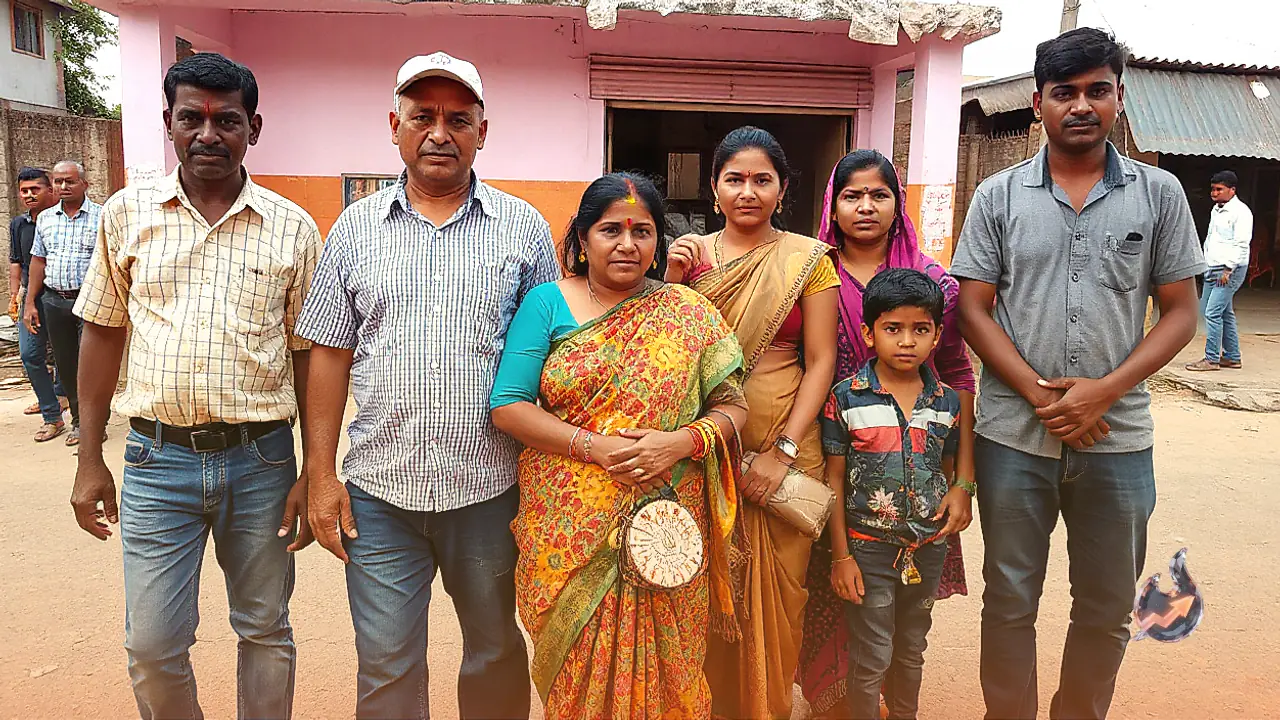
Devotees travel from all corners of the country to seek divine intervention for matrimonial aspirations and the removal of obstacles in marriage. According to temple priest Meenakshi Sharma, people visit from far beyond Jaipur specifically to pray for marital harmony and the successful resolution of wedding delays, with countless visitors attesting that their heartfelt wishes have been granted. This deep-seated faith results in massive crowds gathering at the shrine every single Wednesday to catch a glimpse of the deity. The architectural design of the temple reflects the rich heritage of its 250-year history, constructed around an open courtyard where various deities are enshrined in distinct corners. The enduring structural integrity and traditional craftsmanship continue to showcase the timeless elegance of Jaipur's historical architecture.