























Entrepreneurs possessing a capital budget of ₹50 lakh can build a sustainable and profitable business in the organic and wet waste management sector without incurring debt. India's waste-to-wealth landscape offers extensive potential for self-funded ventures, providing avenues ranging from localized composting facilities to waste sorting operations and advisory applications. According to Priyanka Singh, Senior Program Lead at the Council on Energy, Environment and Water (CEEW), strategic allocation of a ₹50 lakh budget enables new entrants to capture high-growth opportunities within the nation's emerging circular economy.
Business Opportunities Tailored for a ₹50 Lakh Capital Investment
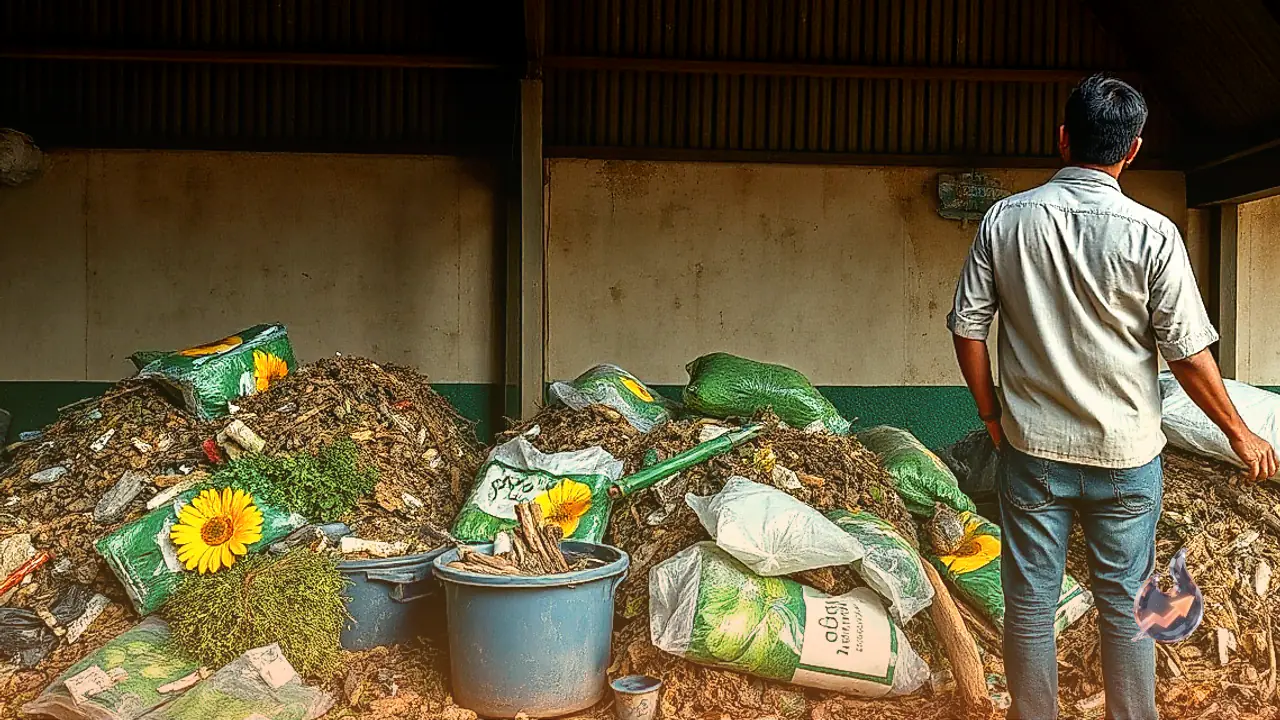
With a capital budget of ₹50 lakh, entrepreneurs can explore three main operational models within the wet waste segment. The first option involves establishing a small-scale composting unit designed to collect daily organic waste from nearby residential and commercial sources and process it into nutrient-rich compost, which enjoys consistent demand across agriculture and horticulture sectors.
The second viable business model is setting up a preliminary waste segregation facility. This plant focuses on separating wet waste from dry waste streams and supplying the sorted wet waste as feedstock to larger processing plants or biomethanation units. The third pathway centers on developing a digital advisory application or consultancy service. This platform can offer technical advice, operational strategies, and guidance to businesses, institutions, and individuals aiming to navigate the waste management landscape effectively.
Projections for India's Waste-to-Wealth Market Through 2047
Comprehensive evaluations by CEEW reveal that India's circular economy within the organic waste sector is poised for exponential expansion by 2047. The sector's current market value of approximately $10 billion is projected to multiply 5 to 6 times, reaching an estimated scale of $50 billion to $61 billion over the next two decades.
Achieving this market trajectory will necessitate a total capital investment of approximately $24 billion to $30 billion. Provided that conducive regulatory policies are established, source segregation of waste is executed systematically, and dependable market channels for finished products like compost and biogas are created, the sector could generate up to 2.6 million (26 lakh) direct employment opportunities nationwide.
Environmental Impact: Reducing Urban PM 2.5 and Methane Gas
Proper management of organic waste provides a cost-effective mechanism for urban environmental remediation beyond financial returns. Open waste burning accounts for roughly 10% of PM 2.5 air pollution in urban centers across India. Furthermore, organic waste left to decompose in open dumpsites releases significant quantities of methane gas, a potent greenhouse gas contributing heavily to climate warming.
Integrating organic waste into circular economic frameworks offers an affordable strategy to cleanse urban air and mitigate methane emissions. By preventing organic materials from accumulating in landfills or being burned openly, cities can achieve tangible environmental improvements while creating value.
Diverse Supply Chain Prospects for Startups and Innovators
The business potential in organic waste extends far beyond operating standalone composting or biogas production facilities. Opportunities exist across the entire supply chain, allowing entrepreneurs to leverage varied skill sets
- Waste Processing: Operating localized composting and biomethanation units to convert raw organic waste into fertilizer or bio-energy.
- Advisory and Capital Mobilization: Providing specialized consultancy, project structuring, and capital-raising services for waste ventures.
- Market Development: Building robust marketing networks and distribution channels to commercialize finished products such as organic compost and biogas.
- Capacity Building for Urban Local Bodies (ULBs): Conducting training programs and operational skill building for municipal corporations and local government bodies.