























A routine passenger flight from Greece to Germany transformed into a terrifying mid-air emergency when a catastrophic engine component failure shattered a cabin window, causing the intense pressure differential to pull a passenger partially out of the aircraft. The individual sustained severe injuries and shock during the high-altitude ordeal. The incident has triggered a full-scale aviation safety investigation to determine how an engine blade structure disintegrated shortly after departure.
Mid-Air Engine Breakdown After Takeoff
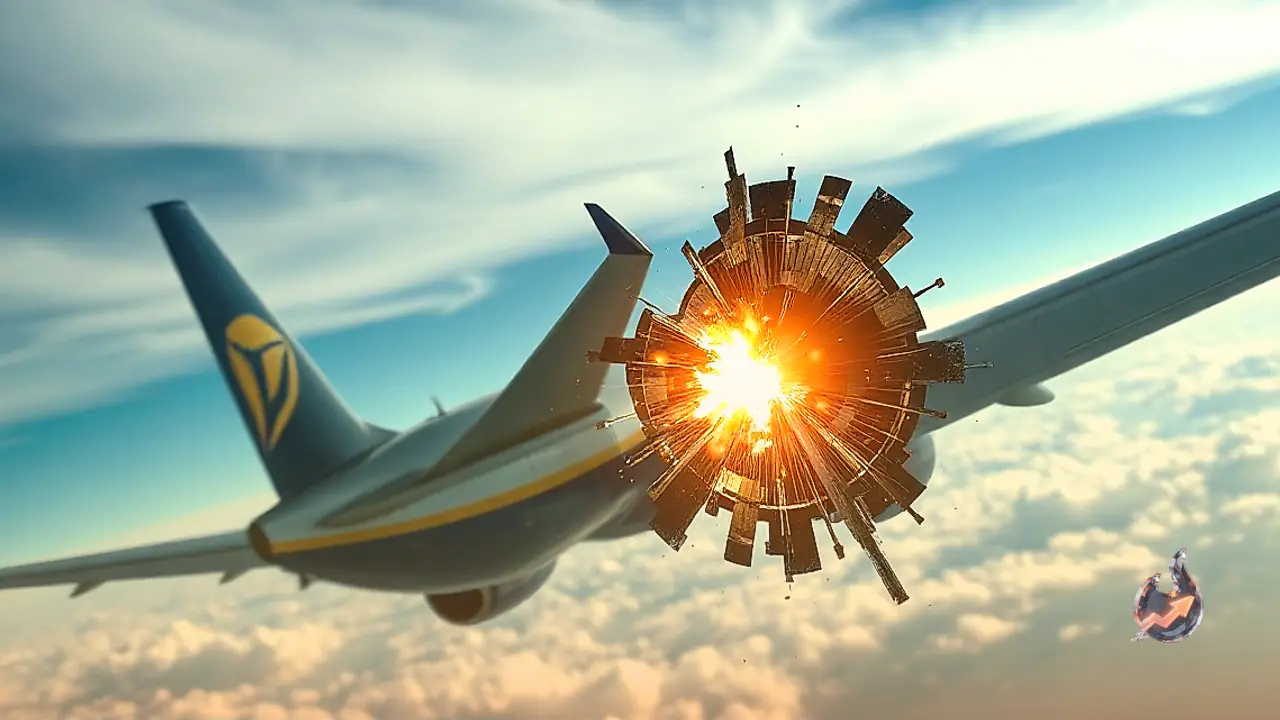
The event occurred on a July 10 flight operated by Malta Air, a subsidiary of Ryanair, travelling from Thessaloniki International Airport in Greece to Memmingen in Germany. Shortly after takeoff as the Boeing aircraft was climbing to its assigned altitude, the right-hand No. 2 engine suffered a major failure known as a fan-blade-out event. Disintegrated metal fragments from the broken engine blade struck the fuselage, completely destroying a nearby passenger window and breaching the pressure vessel of the cabin.
Passenger Partially Pulled Through the Broken Window
Following the structural breach, the rapid depressurization created a violent airflow inside the passenger area. Flight crew members were alerted by frantic calls for help from passengers who witnessed a fellow traveler trapped in the opening. Serbian national Ljubisa Karović was seated next to the impacted window when his head and right shoulder were sucked out through the damaged frame. Flight attendants reported hearing intense vibrations, observing a thin haze of smoke inside the cabin, and deploying overhead emergency oxygen masks as cabin altitude warnings sounded.
Flight Crew Emergency Procedures and Safe Return
According to the flight deck timeline, the pilots initially received an automated high-vibration cockpit warning during the climb out. In accordance with standard operating procedures, the crew reduced power to the affected right engine and executed safety checklists. Once the vibration readings stabilized, the crew resumed their climb using autopilot. However, engine vibrations suddenly surged again, accompanied by a loud structural bang. Recognizing the severity of the malfunction, the pilots declared an emergency, initiated an immediate descent, and returned to Thessaloniki International Airport, where they executed an uneventful emergency landing.
NTSB Investigation and Maintenance History
Greek aviation authorities delegated full investigative authority over the incident to the US National Transportation Safety Board (NTSB). In its preliminary findings, the NTSB corroborated the crew’s chronological report of events and confirmed the structural damage to both the engine assembly and the cabin airframe. The safety board noted that the specific engine had undergone comprehensive ultrasonic inspections in May of this year, with technicians finding no signs of fatigue or structural defects at that time. Investigators are now analyzing metal stress patterns and maintenance records to pinpoint why the fan blade severed just two months after passing inspection.