























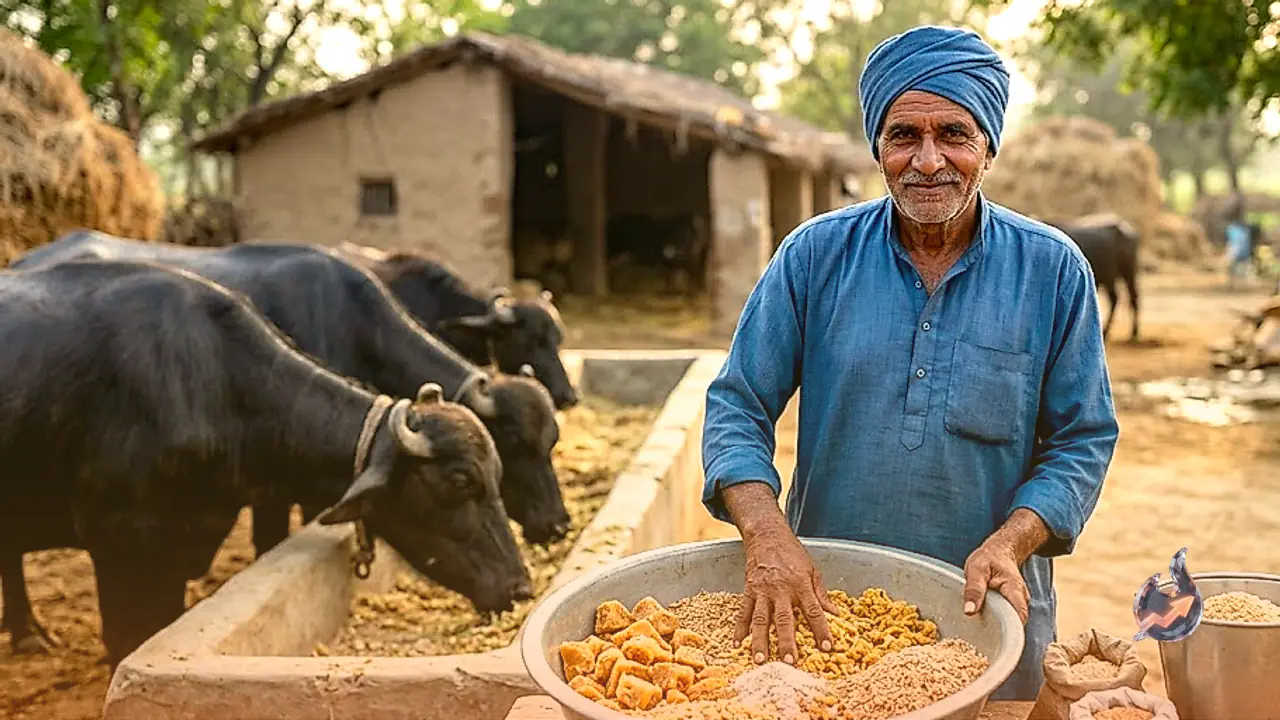

Bhilwara: Dairy farming in India has evolved from a traditional village occupation into a highly structured and reliable source of income across both rural and urban landscapes. The overall success and profitability of this business depend entirely on the health of the cattle, particularly buffaloes, and their consistent ability to produce high quantities of milk. A common scenario observed in many regions is that farmers spend substantial amounts of money acquiring premium, high-yielding buffalo breeds. However, due to a severe lack of accurate nutritional knowledge and improper care, they fail to achieve the expected return on their investment. A widespread misconception among dairy operators is that feeding expensive, commercially manufactured cattle feed is the only viable way to boost milk production. In reality, traditional and locally available dietary components, often referred to as a "desi" diet, can be significantly more effective in improving the overall health and productivity of the animals. When farmers utilize a well-calculated balance of green fodder, dry fodder, nutritious grains, and indigenous ingredients, the digestive system of the buffalo becomes incredibly robust. This enhanced digestion not only strengthens the animal's immune system but also leads to a continuous and sustainable increase in milk yielding capacity. Providing meals at consistent times and ensuring meticulous daily care are equally critical elements in transforming a basic dairy setup into a highly profitable enterprise.
The foundation of excellent buffalo health and maximum milk output lies in the strategic use of green fodder. According to veterinary and agricultural experts, green fodder varieties such as berseem, sorghum, maize, napier grass, and cowpea act as powerhouses of essential nutrients. These specific plants contain high concentrations of naturally occurring vitamins and proteins, which nourish the buffalo's body while rapidly stimulating milk production. Alongside green fodder, dry fodder holds its own distinct and non-negotiable importance in the bovine diet. Farmers must ensure that they feed adequate amounts of wheat straw, gram straw, or properly dried grass to their cattle. Dry fodder provides the necessary dietary fiber that helps the buffalo's complex digestive system, or rumen, function smoothly. Feeding an animal exclusively on green fodder can lead to severe digestive distress and stomach issues. Therefore, creating a perfect mixture of both green and dry fodder is vital for maintaining digestive health. Moving on to the concentrate portion of the diet, an excellent nutritional blend can be prepared using mustard cake, peanut cake, wheat bran, maize, and various other whole grains. This specific combination delivers the crucial fats required for sustained energy. Furthermore, many highly experienced dairy farmers swear by a specialized traditional mixture consisting of jaggery combined with gram flour or cracked wheat porridge. This specific formulation acts as an incredibly potent energy booster. The jaggery provides an instant spike in energy levels, while the gram flour and wheat porridge build muscle and physical endurance. Regular consumption of this specific mixture drastically improves both the total volume of milk and its overall quality, ensuring a higher fat content which ultimately fetches a better market price.
The Proper Method of Preparing Traditional Diet and Its Economic Benefits
Preparing this traditional concentrate requires no specialized machinery, and dairy operators can easily formulate it within their own households. The process begins with taking broken wheat or wheat porridge and cooking it thoroughly until it becomes extremely soft and easy for the buffalo to chew and digest. Once the porridge is fully cooked, the required quantity of jaggery is added to the mixture. It is highly recommended to break the jaggery into small pieces or slightly warm it to ensure it dissolves completely. Following this, gram flour and a specified quantity of mustard cake are thoroughly blended into the warm mixture. Once this entire preparation is ready and slightly cooled, the veterinary prescribed mineral mixture is sprinkled and mixed in as the final step. The overall financial cost of this entire preparation is incredibly low because ingredients like wheat, gram, and jaggery are abundantly available in rural households. By drastically reducing their dependence on expensive commercial feeds, farmers experience a massive drop in their daily operational expenses, which immediately widens their profit margins. Furthermore, this pure, home cooked diet eliminates the risk of harmful chemical additives or adulteration, ensuring the long term health and safety of the cattle.
Enhancing the Diet with Household Ingredients
To make this traditional diet even more impactful, farmers can utilize several other beneficial ingredients that are readily available in almost every rural household. A highly recommended comprehensive feed mixture includes a balanced combination of jaggery, gram, cooked wheat porridge, mustard cake, and a small but critical dose of mineral mixture. This combination serves as a complete, well-rounded meal for the buffalo. In various parts of the country, dairy operators also incorporate small, strictly controlled quantities of fenugreek, carom seeds, and flaxseed into the daily feed. These specific herbal additions possess remarkable medicinal properties that optimize the digestive process and provide profound internal strength to the animal. However, introducing any new dietary element requires extreme caution and patience. A cardinal rule of dairy management is that no new feed should ever be introduced suddenly or in massive quantities. Any dietary transition must be implemented gradually and in small increments so that the buffalo's stomach bacteria have ample time to adjust and process the new food efficiently. Maintaining absolute balance in the feed quantities is another critical aspect of successful dairy farming. In a desperate bid to extract more milk, some farmers make the fatal mistake of overfeeding grains or heavy concentrates. Such practices completely backfire, leading to severe acidic buildup in the stomach, which can critically endanger the animal's life instead of providing any production benefits.
The Crucial Role of Water and Mineral Supplements
Beyond solid food, the silent drivers of optimal milk production are mineral mixtures, common salt, and an abundant supply of clean water. It is a frequently observed error that farmers focus entirely on sourcing the best fodder and grains while completely ignoring the necessity of mineral supplements. The absence of a good mineral mixture creates a severe deficiency of calcium, phosphorus, and other trace elements in the buffalo's body. This nutritional void has a direct and immediate negative impact on milk synthesis. Dairy specialists clearly emphasize that buffaloes must be provided with unrestricted access to fresh, clean, and uncontaminated water throughout the day. Since a massive percentage of milk is composed entirely of water, even a slight reduction in water intake will cause an instant drop in milk volume. The physical demand for water multiplies significantly during the scorching summer months. If a buffalo is deprived of adequate water at the right time, its internal hydration drops, pulling down milk production dramatically. For this reason, clean water, common salt, and mineral mixtures must be treated as mandatory, non-negotiable components of the daily feeding regimen. This ensures the animal remains properly hydrated and its milk yielding capacity stays constant.
Specialized Care and Management During Seasonal Changes
Seasonal changes also demand specific management strategies to protect the buffalo's health and maintain milk yields. Extreme weather conditions, whether intense heat or freezing cold, inflict heavy stress on the animals and require immediate intervention. During the peak summer season, buffaloes must be protected from direct sunlight and provided with well-ventilated resting areas. Bathing them two to three times a day during hot weather is crucial for regulating their core body temperature. This practice keeps them completely stress-free and prevents any summer-induced drop in milk production. Conversely, during harsh winters, the animal shelters must be properly covered with thick tarpaulins or jute bags to block freezing winds and frost. Offering slightly warm water for drinking during the cold months is highly advised, as consuming extremely cold water can cause the buffalo's body temperature to plummet, which directly affects milk synthesis. Minor seasonal adjustments to the diet should also be made; for instance, slightly increasing the intake of jaggery and fenugreek during winter helps generate internal body heat and keeps the animal comfortable.
Routine Care and Disease Prevention
Equally important to a flawless diet is the meticulous day-to-day management and physical care of the animal. Cattle possess a strong internal biological clock, meaning they thrive on strict and unwavering routines. Farmers must feed the fodder and grain at the exact same hour every single day. This punctuality keeps their digestive cycles perfectly aligned and reduces metabolic stress. The physical living conditions of the buffalo also dictate its productivity. The shelter must be kept spotlessly clean, completely dry, and well-ventilated at all times. Damp, dirty, and poorly ventilated enclosures quickly become breeding grounds for dangerous bacterial infections and parasites. Farmers must take a proactive approach by scheduling regular checkups with qualified veterinarians. Administering seasonal vaccinations and providing timely deworming medications are absolute necessities. If a buffalo falls victim to even a minor illness or infection, the very first casualty is its daily milk production. Therefore, farmers must never ignore minor symptoms like a drop in appetite or unusual lethargy; they must seek immediate medical intervention. Timely medical care ensures that the animal remains highly productive and healthy over a much longer lifespan.
Conclusion
In conclusion, when dairy farmers seriously focus on providing a balanced diet, traditional nutritious feed, clean drinking water, proper mineral supplements, and consistent daily care, the milk yielding capacity of their buffaloes can increase remarkably. Furthermore, it is absolutely essential to keep the animals far away from any kind of physical or environmental stress, grant them sufficient time to rest, and maintain a highly hygienic surrounding atmosphere. The ultimate key to unparalleled success in the dairy business is a herd of healthy and happy animals. Therefore, instead of merely focusing on extracting the maximum amount of milk, farmers must prioritize the holistic well-being and comprehensive care of their cattle. By adopting correct feeding habits and scientific management techniques, any dairy operator can achieve superior quality milk production at a fraction of the usual cost. Through these simple and highly effective domestic solutions, farmers can experience a significant surge in their income and successfully transform their dairy operations into a highly profitable and sustainable enterprise.