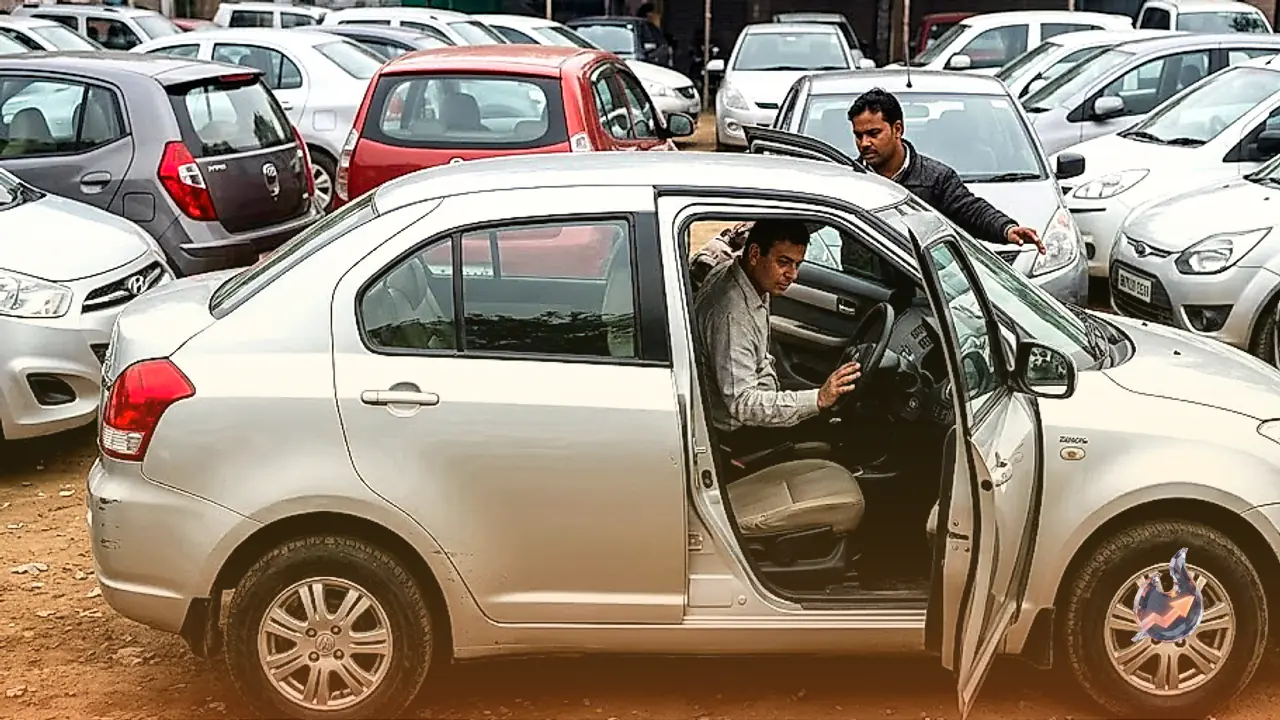






















Traditional manual gearboxes remain the preferred choice for buyers in the competitive mid-size SUV segment. Despite worsening traffic conditions on urban roads and a wide array of two-pedal variants available in showrooms, a vast majority of motorists continue to opt for three-pedal setups over automatic alternatives. Market data from Jato Dynamics indicates that manual models accounted for a dominant 71.4 percent share of total mid-size SUV sales during the first half of 2026, while automatic variants managed just 28.6 percent.
The Financial Impact of Price Gaps
The primary driver behind this enduring preference is the significant price gap between petrol manual and petrol automatic versions. Buyers typically encounter an average difference of about one and a half lakh rupees between the two transmission types. Customers shopping in the mid-size category usually stretch their financial limits to purchase a vehicle, making it difficult for them to absorb this extra expenditure.
For consumers relying on auto loans, the higher price tag directly translates into a heavier monthly EMI obligation, putting additional pressure on household budgets. Buyers frequently face a dilemma over whether to allocate extra funds toward an automatic transmission or invest that money in a higher trim level packed with better features or an alternative powertrain.
Convenience Struggles Against Cost
While urban congestion theoretically favors automatic cars by eliminating the constant need to operate a clutch and reducing driving fatigue, sales figures prove that convenience alone has not overcome the cost barrier. Many motorists have driven manual cars for years and see no pressing reason to switch. In smaller towns and semi-urban areas, manual models are still widely viewed as simpler to maintain and more economical to run.
The market also offers several variations of automatic transmissions that influence buyer decisions. Automated manual transmissions tend to be relatively affordable and narrow the price gap, whereas continuously variable transmissions, torque converters, and dual-clutch systems generally incur higher costs.
Future Market Projections
Industry experts anticipate a shift in consumer habits over the coming years. Hemal N. Thakkar, senior practice leader at CRISIL, notes that the automotive landscape is evolving and projects that the share of automatic gearboxes in SUVs could surpass fifty percent by 2030. Meanwhile, powertrain distribution figures for the first half of 2026 show that petrol engines led with 50.8 percent, followed by diesel at 31.3 percent, CNG at 10.8 percent, and electric options holding a 7.1 percent share.