





















The monthly budget for households across India is bracing for a severe double blow, as the prices of two fundamental kitchen staples, onions and rice, are caught in the grip of erratic weather patterns and systemic infrastructure failures. While the agricultural sector is still reeling from the impact of unseasonal downpours that damaged crops, a parallel crisis of deficient rainfall has severely hampered paddy cultivation in key producing states. With rice varieties already witnessing a sharp upward trajectory in retail markets, the impending shortage of onions threatens to further destabilise food inflation in the coming months.
Maharashtra Braces for Major Onion Shortfall
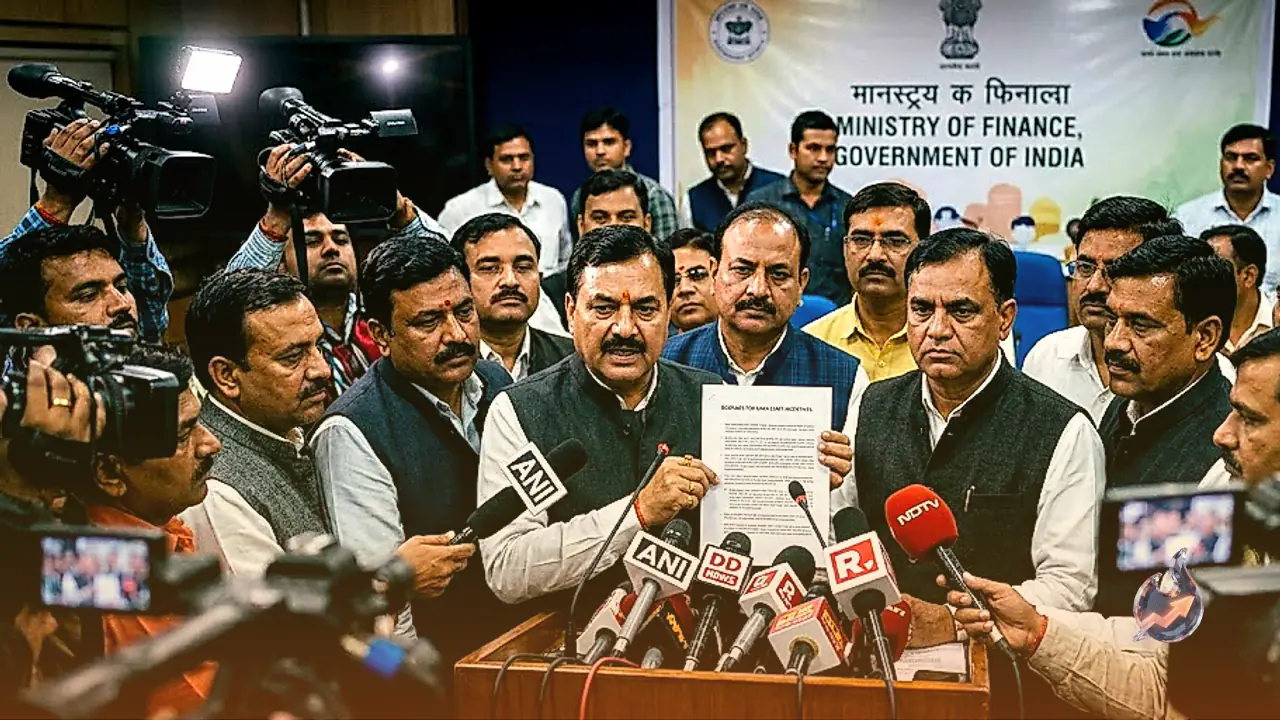
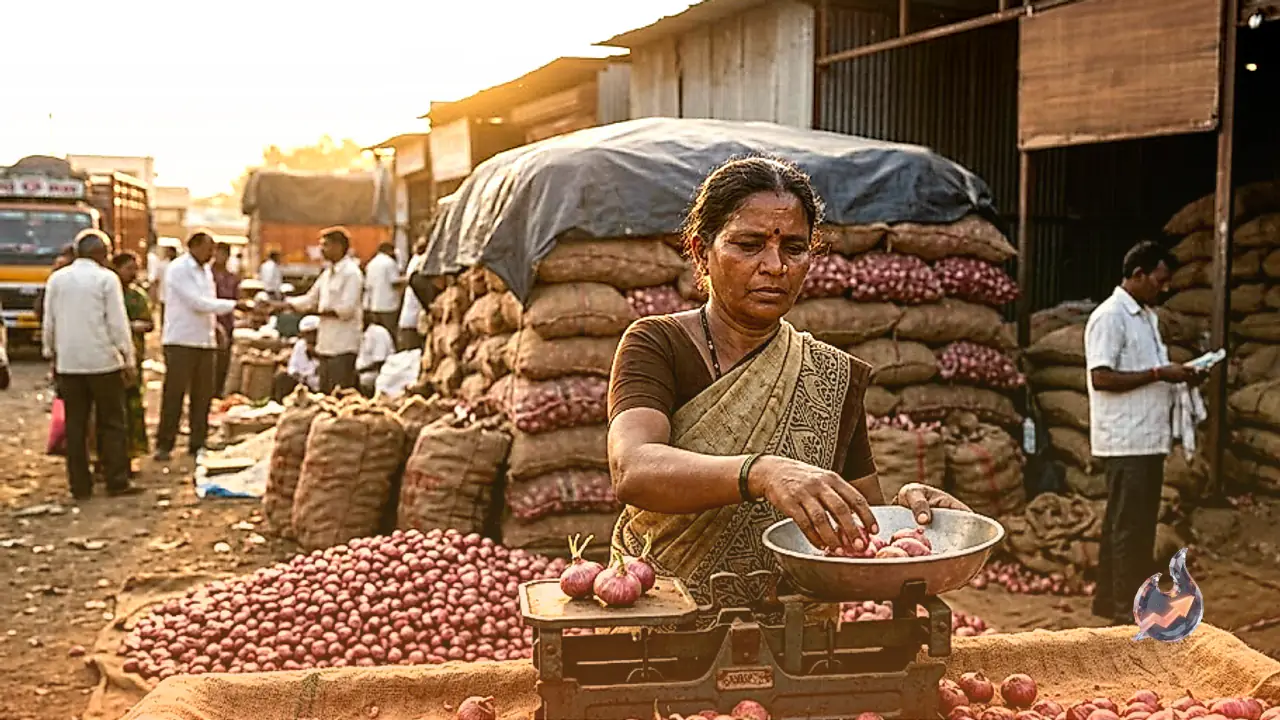
The epicenter of the impending onion crisis is Maharashtra, the state that traditionally anchors the country's supply chain for the essential bulb. According to Pasha Patel, the Chairman of the Maharashtra State Commission for Agricultural Costs and Prices, the domestic market could witness a distinct shortage of onions within the next two months. This grim forecast is driven by a confluence of adverse agricultural events. Primarily, the overall production for the current agricultural cycle has witnessed a noticeable slump compared to the previous year's yield. The situation was further exacerbated by unseasonal rainfall in the month of May, which wreaked havoc on standing crops and harvested produce alike. Compounding the natural disasters is the perennial issue of infrastructure. Without access to adequate modern storage facilities, a large number of farmers were forced into distress sales, offloading their produce at rock-bottom prices early in the season. Market experts now warn that this premature depletion of stocks will inevitably lead to a severe supply crunch and a corresponding price hike in retail markets.
Production Deficits and Storage Bottlenecks
The sheer scale of the shortfall becomes evident when looking at the projected agricultural data. For the financial year 2025-26, India's total onion production is estimated to hover around 327.40 lakh metric tonnes. Maharashtra alone is expected to account for a massive 151.10 lakh metric tonnes, representing roughly 50 percent of the national output. However, this figure is a steep drop from the 170.99 lakh metric tonnes the state produced in the preceding year. Beyond the erratic weather, the state suffers from a chronic lack of robust onion processing industries and modern, climate-controlled warehousing. Consequently, a massive quantum of the harvested crop simply rots away each year. This persistent infrastructural void not only inflicts deep financial wounds on the farming community but also creates artificial scarcity in consumer markets, leaving retail prices highly volatile.
Weak Monsoons Trigger Rice Inflation
While the onion supply chain battles excess unseasonal rain, the rice market is simultaneously struggling with the exact opposite problem, a severe lack of precipitation. Deficient rainfall has cast a long shadow over paddy cultivation across multiple states, disrupting the agricultural calendar. The situation is particularly stark in the southern state of Tamil Nadu, where the crucial Kuruvai paddy cultivation season has been severely derailed. The primary cause for this agricultural setback is the critically low water levels in the Mettur Dam, which prevented authorities from opening the reservoir's sluice gates on time to irrigate the farmlands. This delay in water release directly translated to delayed and reduced paddy sowing, creating a ripple effect that is now crashing into the retail markets in the form of soaring prices for highly sought-after rice varieties.
Retail Prices Witness a Steep Climb
The impact of this compromised harvest is painfully visible in the retail grain markets, where prices have registered significant hikes across the board. Premium and everyday rice varieties alike have become substantially more expensive. The prices of popular varieties such as Kichili Samba, Thuya Malli, Seeraga Samba, and standard Ponni have surged by Rs 8 per kilogram, pushing their current retail rates to a stiff bracket of Rs 52 to Rs 60 per kilogram. The inflation is not limited to premium grains; coarser rice varieties heavily consumed by the masses, including CR-1009, AST-16, and Ponmani Pulungal, have also seen an upward revision of approximately Rs 3 per kilogram, bringing their retail price to roughly Rs 38 per kilogram.
Specific regional favorites have also taken a massive hit. The price of Mysore Ponni has skyrocketed from Rs 50 to Rs 65 per kilogram, while Country Ponni has escalated from Rs 55 to Rs 68 per kilogram. However, the most alarming price shock has been recorded in the highly prized Seeraga Samba rice segment, which has witnessed an unprecedented jump, doubling in cost from Rs 110 to a staggering Rs 200 per kilogram in the retail space.
The Road Ahead for Household Budgets
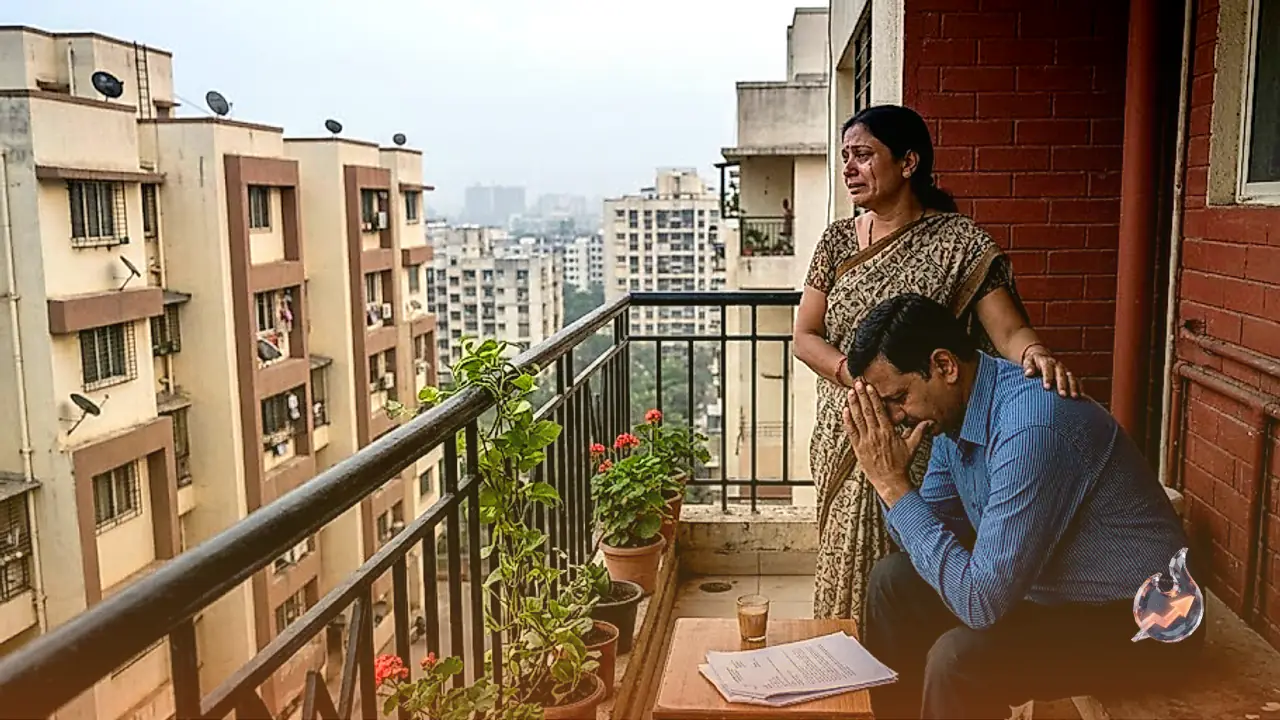
Economic and agricultural experts emphasize that unless weather conditions undergo a dramatic normalisation and supply chain bottlenecks are urgently addressed, the pressure of food inflation will only intensify. Given that both onions and rice form the non-negotiable bedrock of the daily Indian diet, this relentless upward march in prices will inevitably tear into the monthly financial planning of average households. The dual crisis presents a formidable challenge for both the central government and state-level agencies. To shield consumers from the harshest impacts of this inflation and protect farmers from avoidable losses, authorities will need to pivot aggressively toward building adequate modern storage infrastructure, streamlining supply chain management, and executing perfectly timed market interventions.