























A climatic phenomenon known as El Nino is turning into a growing source of worry for scientists and economists as current indicators point toward a potentially strong event later in 2026. Early weather projections suggest that El Nino could become particularly intense around November and December 2026, although its ultimate strength is still surrounded by uncertainty. Researchers are closely tracking developments in the Pacific to understand how severe the upcoming pattern might become.
What Is El Nino and How It Alters Global Weather
El Nino occurs when surface water in the tropical Pacific Ocean becomes unusually warm. While that may sound like a localized weather event, shifts in the Pacific can alter rainfall, temperatures, and general climate conditions across numerous regions worldwide, including India. In straightforward terms, El Nino represents unusually warm ocean water in specific zones of the Pacific Ocean. This added warmth can disrupt normal wind currents and atmospheric weather patterns globally.
Subsurface Heat Accumulation in the Pacific
Scientists are currently monitoring the Pacific Ocean closely because surface water temperatures have climbed to levels typically linked with very strong El Nino events. They are also examining conditions beneath the ocean surface, where a substantial volume of additional warm water has gathered. If this underground heat migrates toward the surface, El Nino could intensify significantly in the upcoming months. However, experts will continue tracking environmental conditions before determining the exact severity of the 2026 event.
Potential Disruptions to the Indian Monsoon
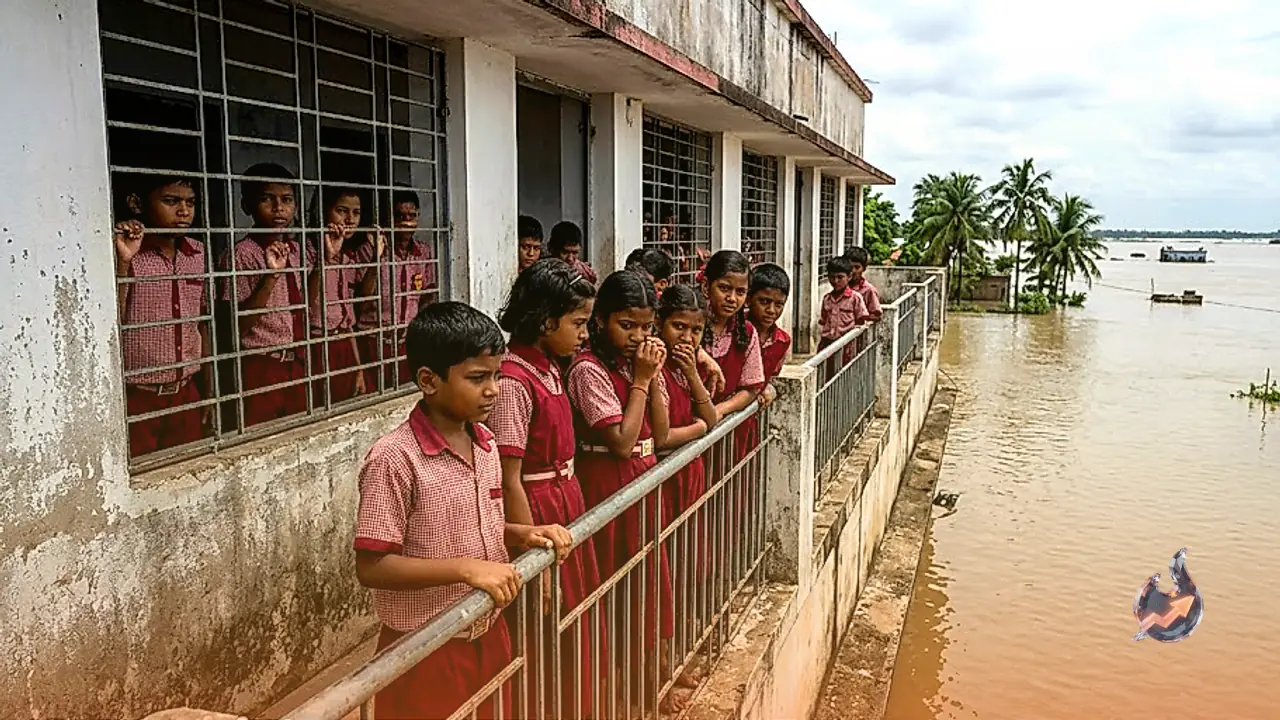
For India, the primary anxiety centers around the monsoon season. A strong El Nino can occasionally weaken or disrupt India's monsoon rainfall, although this disruption does not occur during every single El Nino year. Diminished rainfall or an erratic monsoon can trigger severe challenges for the agricultural community. Crops such as rice, pulses, cotton, sugarcane, and oilseeds rely heavily on regular precipitation throughout their growing cycle. If certain regions receive insufficient moisture while other areas face heavy downpours, overall crop yields can suffer, eventually impacting food supplies and market costs.
Implications for Food Inflation and Household Budgets
One of the foremost worries for ordinary households is the potential escalation of food inflation. When crops sustain damage due to inadequate or irregular rainfall, supplies of essential food products tighten. This supply restriction can drive up prices for vital commodities including vegetables, pulses, cereals, and edible oils. Higher food costs stretch household budgets and complicate efforts by the government and the Reserve Bank of India to manage overall inflation. Nevertheless, analysts emphasize that El Nino does not automatically guarantee steep price hikes. Government food reserves, import measures, irrigation facilities, crop conditions, and other weather variables also play critical roles in shaping market prices.
Ripple Effects on Rural Demand and Water Resources
The consequences of this climate pattern extend far beyond basic food prices. Agriculture underpins the livelihoods of millions across rural India, meaning a weak or uneven monsoon directly compresses farmers' earnings. Reduced farm income curtails spending on discretionary goods such as two-wheelers, tractors, consumer durables, and everyday items. Consequently, a difficult agricultural season dampens business activity for enterprises reliant on rural purchasing power. Water security is another major issue, as poor rainfall depletes reservoirs and groundwater reserves, forcing state administrations to allocate greater resources toward irrigation and farmer support programs.
Does El Nino Guarantee a Drought in India
Not necessarily, as this remains a vital distinction to understand. While El Nino elevates the probability of abnormal weather, India's monsoon relies on a complex combination of drivers. Ocean temperatures in the Indian Ocean, regional atmospheric circulation, wind directions, and other global climate oscillations also shape precipitation levels. Therefore, the prospect of a robust El Nino does not imply that India will inevitably experience a drought or a total monsoon failure. Meteorologists and weather authorities will continuously track developing conditions and update their forecasts as the 2026 monsoon approaches.
Key Indicators to Watch in the Coming Months
The upcoming months will prove critical in gauging the actual strength of the 2026 El Nino. Scientists will maintain surveillance over Pacific Ocean temperatures, subsurface heat signatures, and atmospheric variables. For India, the focal points for observation will encompass precipitation forecasts, reservoir capacity levels, agricultural health indicators, and retail food prices.