






















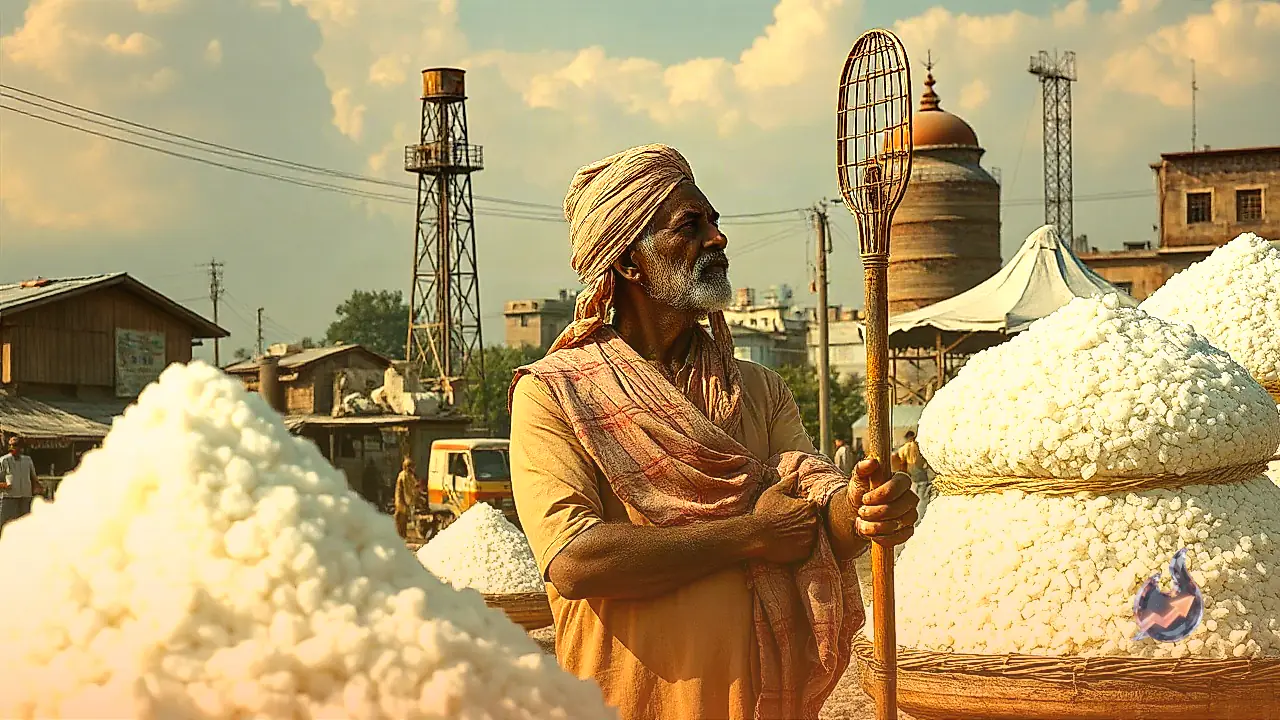

Retail sugar prices have started climbing significantly in various parts of India, mounting heavy financial pressure on households as well as small-scale food enterprises. In Chhatrapati Sambhajinagar, Maharashtra, loose sugar is reportedly retailing at approximately Rs 75 to 80 per kg. This sudden upward trend in rates has triggered deep anxiety among consumers regarding whether the essential sweetener will become even more costly, particularly with the festive and wedding seasons just around the corner.
Multiple Factors Driving Up Rates
The continuous spike in sugar prices is not tied to a single isolated cause. Instead, a complex combination of lower sugarcane output, a shrinking cultivation area, shortened crushing seasons, and traders holding back stocks has tightened the overall market. When market supplies are anticipated to shrink while consumer demand remains steady and resilient, prices naturally tend to push higher.
Declining Cultivation and Yields
Official government figures indicate that the total land area dedicated to sugarcane farming has steadily declined over recent years. Total sugarcane production has similarly dropped from previous levels, exacerbating worries regarding how much sweetener will genuinely remain available in the coming months. Shekhar Gaikwad noted that increasing sugarcane production is a gradual process that takes time, explaining that even a newly introduced government policy would require roughly 30 to 36 months before its tangible impacts could be properly observed in the fields.
Broader Impact on Businesses and Festivals
Sugar is a staple ingredient in virtually every household, but its market fluctuations extend far beyond the price of a single retail packet. Sweet shops, bakeries, restaurants, roadside tea stalls, beverage manufacturers, and various other food businesses depend heavily on a steady supply of sugar. If their operational input costs remain elevated for an extended duration, certain businesses might eventually pass a portion of those added expenses onto their end customers. This impact could become acutely visible during upcoming festive periods when local demand for sweets and desserts traditionally peaks.
The Debate Surrounding Ethanol
The ongoing ethanol initiative has become a central talking point in the current pricing debate, though industry experts emphasize it is not the sole driver behind the recent hikes. The government has actively promoted ethanol blending as a strategic method to cut down India's heavy reliance on imported crude oil while simultaneously opening up alternative market avenues for local farmers and sugar mills. Certain opposition figures have argued that diverting sugarcane or processed sugar toward ethanol production leaves a lesser volume of sugar accessible for general consumers. However, industry representatives counter that the volume of sugar being diverted toward ethanol has actually decreased compared to past years, making it inaccurate to blame the entire price surge purely on ethanol.
Operational Pressures on Sugar Mills
The more pressing concern at present revolves around the fundamental availability of sugar itself. Maharashtra stands as one of the premier sugar-producing states in India, rendering developments there exceptionally crucial for the broader national market. Sugar mills located within the state are reportedly active for fewer operating days during their crushing seasons than in previous years. While certain mills previously operated for roughly 150 days per season, that operational window has now shortened to nearly 100 days in several instances. The core economics governing sugar manufacturing create persistent pressure for mill operators, who must settle cane payments with farmers even when wholesale sugar realizations fail to rise at a matching pace.