







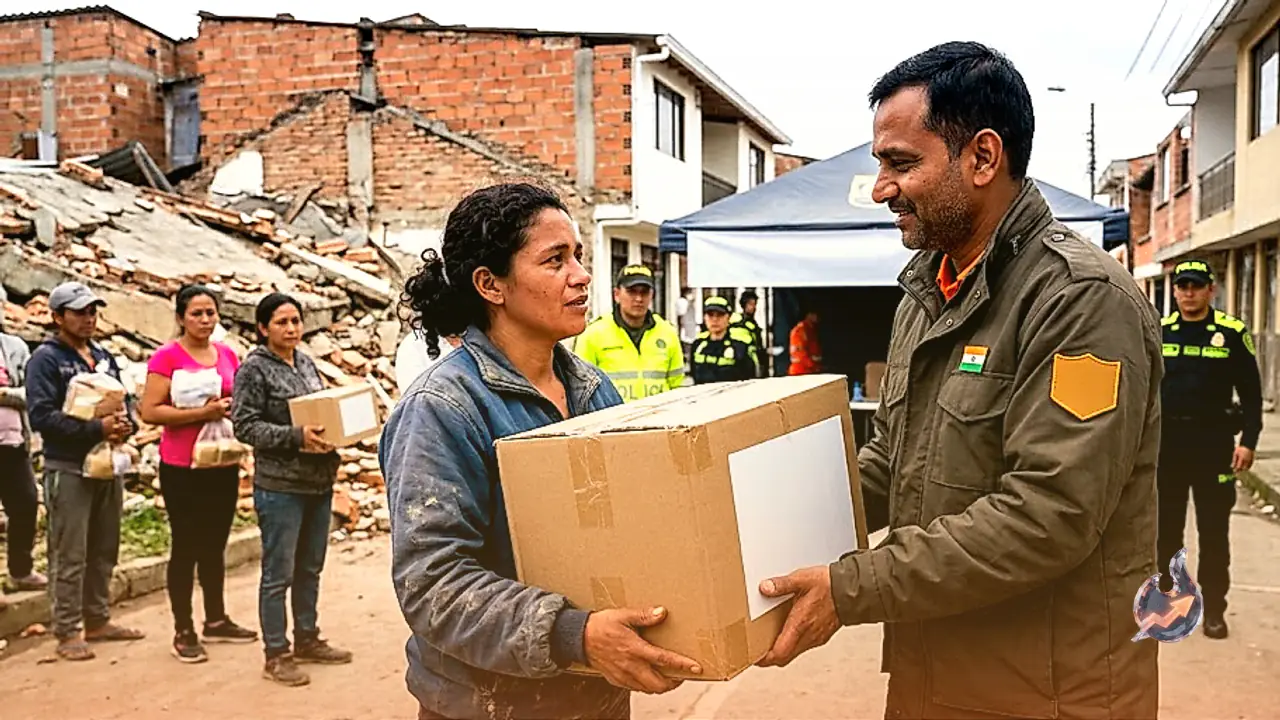















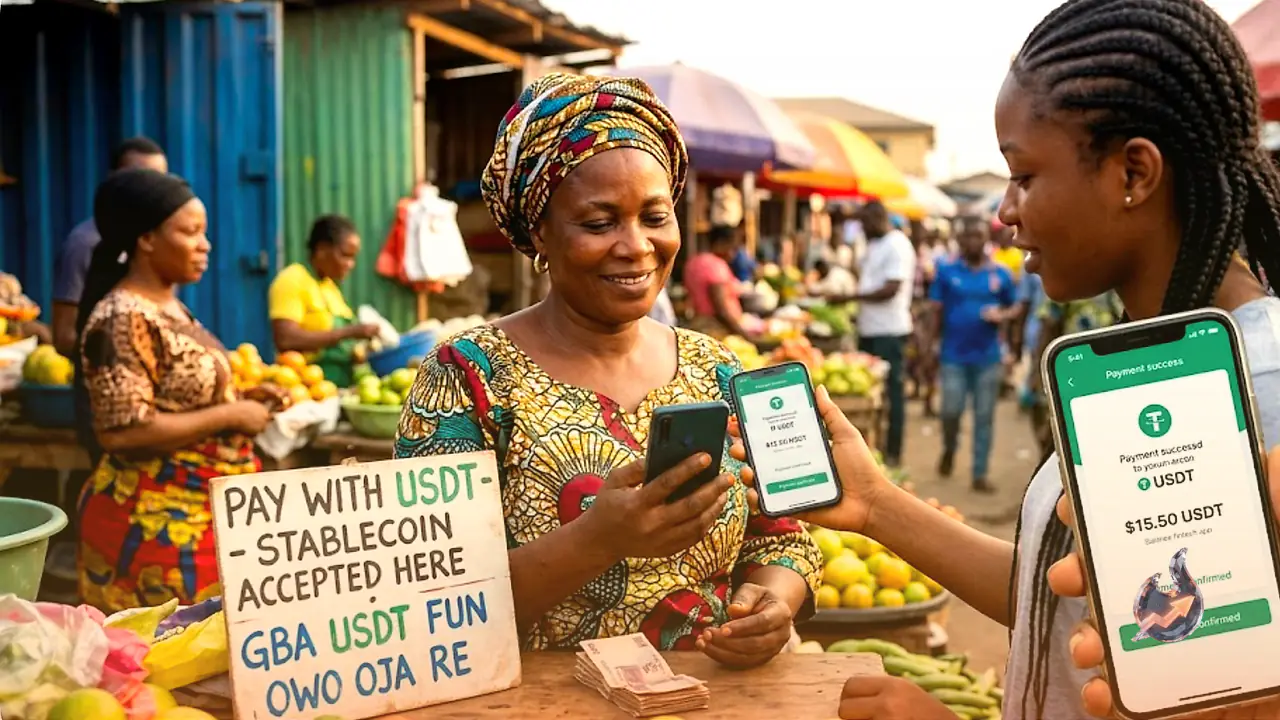

When discussing the future of digital assets and financial technology, most market observers instinctively look toward the traditional centers of global wealth. The prevailing assumption has long been that the most significant stablecoin opportunities are naturally centered where the highest concentration of capital resides, namely in financial powerhouses like New York, San Francisco, and London. However, this perspective overlooks a fundamental geographical mismatch. The largest and most vibrant stablecoin markets on the planet are currently expanding in developing countries where the vast majority of Silicon Valley venture capitalists have never even held a single business meeting.
By the year 2025, the global transactional volume of stablecoins crossed a historic threshold of $28 trillion. This massive figure represents a milestone that successfully surpassed the combined transaction networks of legacy payment giants Visa and Mastercard. Yet, despite this massive scale of adoption, the density of startup founders and venture funding remains heavily concentrated in the United States and Western Europe. In these mature Western economies, stablecoins are primarily treated as institutional financial instruments. This segment is already highly competitive and crowded, with major asset managers like BlackRock, JPMorgan, and Fidelity rapidly launching tokenized money market funds and specialized enterprise settlement networks, leaving far less market share for venture-backed startups than popular narratives suggest.
The authentic, daily demand for digital dollars is taking place in entirely different regions of the globe. For example, Nigeria alone has built a base of over 26 million cryptocurrency users, which represents more than one in eight adults in the country. Remarkably, 59% of these active users hold the stablecoin USDT as a core part of their digital holdings. Similarly, across Latin America, the inflows and outflows of stablecoins represent approximately 7.7% of the entire regional GDP, according to official data published by the IMF. The industry has moved past the point of questioning whether emerging markets are relevant. The real puzzle is why so many venture capital portfolios continue to invest as if this massive macroeconomic data simply does not exist.
The Surging Global Volume Versus the Silicon Valley Disconnect
According to comprehensive data compiled by Stablescape, an analytical platform tracking more than 3,000 stablecoin and digital fintech firms worldwide, around 1,300 of these businesses are headquartered inside the United States. In stark contrast, emerging markets spanning Latin America, sub-Saharan Africa, Southeast Asia, and the Middle East account for a mere 32% of all tracked firms. This low percentage stands in sharp contrast to the reality that these same developing regions generate the absolute majority of real-world transactional stablecoin volume globally.
In Argentina, stablecoin purchases now account for more than half of all local cryptocurrency exchange transactions. This intense demand is fueled by persistent triple-digit inflation and stringent national currency controls that turn regular access to physical US dollars into a bureaucratic obstacle course for ordinary citizens. Brazil has also registered a massive $318.8 billion in total cryptocurrency inflows through the middle of 2025, with more than 90% of those transactions flowing directly through stablecoins. Meanwhile, sub-Saharan Africa experienced a remarkable 52% year-over-year growth rate, receiving over $205 billion in on-chain value. Despite this localized explosion in utility, the founders building the vital infrastructure to support this demand remain disproportionately concentrated in Western metropolitan hubs where these monetary challenges have never existed.
How Emerging Markets Turn Digital Dollars into a Financial Lifeline
The standard Western narrative surrounding cryptocurrencies often frames stablecoins as foundational infrastructure designed to support complex use cases, such as programmable business settlement networks, decentralized finance (DeFi) yields, or corporate treasury management systems. In those wealthy, stable economies, stablecoins represent incremental improvements to payment systems that already function relatively well. However, in cities like Lagos, Buenos Aires, and Istanbul, the starting premise is entirely different. For millions of ordinary individuals, stablecoins serve as the premier reliable mechanism to hold the value of the US dollar outside of unstable banking systems, devaluing local currencies, or sudden government restrictions that can freeze access to personal wealth overnight.
In response to this profound demand, platforms like Opera and Celo have expanded their strategic partnership to make stablecoins highly accessible and practical for millions of everyday users in developing regions. Furthermore, B2B stablecoin payments across Latin America have witnessed an extraordinary surge, climbing from under $100 million per month in early 2023 to over $6 billion per month by the middle of 2025. This represents an incredible 60-fold increase in just 30 months, driven entirely by real-world cross-border trade rather than retail market speculation. On the other hand, serving retail consumers directly with stablecoin products carries substantial overhead costs. These include compliance expenditures that increase exponentially with user growth, fragile relationships with local commercial banks, and unit economics that rarely remain profitable for small-value transfers. This financial reality led Yellow Card, which operates across 34 distinct nations, to exit its retail consumer business entirely to focus solely on high-margin B2B services. Similarly, Bitso built its dominant position in the active Mexico-U.S. remittance corridor by targeting commercial payment flows instead of retail mobile wallets. In both instances, the key advantage was geographic proximity, as local founders possessed an intimate understanding of their target corridors that foreign competitors could not easily duplicate.
Why Venture Capital Portfolios Are Blind to Global Realities
The concentration of capital remains heavily skewed, with just 30 venture capital firms capturing approximately 75% of all the capital raised by U.S. investment funds in 2024. While these major institutional funds have developed a highly accurate macroeconomic thesis regarding the long-term utility of stablecoins, they have targeted the wrong geographic areas. The pattern recognition models utilized by prominent Sand Hill Road funds to evaluate startup pitches in San Francisco offer almost no predictive value when determining which local entrepreneur in Lagos, Buenos Aires, or Manila possesses the execution capability to dominate their native market.
A frequent counterargument raised by cautious Western investors is that emerging market fintech startups lack viable pathways to exit. However, real-world transaction data strongly disagrees with this assumption. OPay, built on foundational African payment infrastructure, is currently targeting a $4 billion valuation ahead of its planned public market listing. In another notable transaction, Modern Treasury acquired Beam, a specialized startup focused on cross-border stablecoin liquidity, for $40 million. These milestones indicate that a robust M&A and IPO market is rapidly forming around the exact payment corridors that Western venture capital funds have been slowest to support.
Furthermore, regulatory dynamics tend to compound this geographical bias. While legislative initiatives like the GENIUS Act in the United States and the MiCA framework in Europe are highly significant steps, institutional capital naturally migrates toward regulatory clarity wherever it is established. What this viewpoint overlooks, however, is that U.S. regulatory frameworks are designed primarily to make stablecoins safe for conservative institutional compliance departments. The massive, organic transaction volumes currently driving the economies of Nigeria and Argentina do not require additional Western regulatory approvals to grow. These markets are already outpacing the United States on nearly every key operational metric and are serviced by innovative firms funded by regional investment networks that Western venture capital firms have zero relationship with.
The Key Geographies and Corridors Forging the Future
The scale of international remittance corridors highlights the massive market potential waiting to be unlocked. For example, the Philippines received $39.6 billion in personal remittances in 2025, with traditional wire transfer fees averaging between 5% and 7%. In comparison, the cost of sending the same funds via a stablecoin transfer is measured in fractions of a single percent. On the regulatory front, Nigeria's 2025 Investment and Securities Act officially brought digital virtual assets under formal national regulatory oversight. This legal progress is mirrored by newly established licensing regimes across South Africa, Botswana, Mauritius, and Namibia, alongside active regulatory sandboxes operating across East and West Africa. Although Nigeria previously implemented strict crackdowns on major exchanges like Binance, the nation is now actively inviting stablecoin startups to set up operations within its borders.
These active corridors are positioned to produce the dominant stablecoin enterprises of the next decade in much the same way that Brazil's unique market conditions catalyzed the rise of Nubank. These local champions win by designing products specifically for massive customer segments that legacy financial institutions chose to ignore, leveraging deep localized insights that international entrants spend years failing to replicate. For instance, El Dorado, a prominent Latin American stablecoin super-app, successfully crossed 600,000 active users and processed 3 million transactions in 2025. The company achieved an ARR of $2.7 million through a spectacular 12-fold annual growth rate, quickly becoming the most downloaded cryptocurrency application in Venezuela. Significantly, major global investors like Multicoin Capital and Coinbase Ventures only chose to back the startup after the local market had already thoroughly validated its business model. This specific developmental sequence, starting with organic volume, followed by localized validation, and ending with global venture capital, is bound to repeat across every primary emerging market corridor over the next five years.
A Tale of Two Stablecoin Ecosystems
The global stablecoin landscape has effectively split into two distinct, parallel sectors. One side of the market is dedicated to building enterprise-grade infrastructure for regulated Western financial institutions, focusing on services like corporate treasury orchestration, institutional compliance tooling, and wholesale settlement rails. The other, more dynamic side of the market focuses on delivering immediate digital dollar access to billions of people navigating unstable national monetary systems. For these users, stablecoins are not a speculative crypto asset, but rather an absolute financial lifeline. The paradox is clear: one side of this divide commands the overwhelming majority of global venture capital, while the other side already commands the vast majority of real-world consumer demand.
The crucial on-and-off-ramp layer, where 57% of all operating companies are locally founded inside emerging economies, remains highly underfunded relative to the sheer scale of local demand beneath it. Emerging firms like Kulipa, which is constructing dedicated stablecoin payment systems for African regional markets, and Mural Pay, which focuses on cross-border B2B payments across Latin America, represent a category of startups that may appear minor by conventional Western VC standards. However, the corridors these companies serve are growing at a pace that will soon make them impossible for global investors to ignore.
The next generation of breakout stablecoin giants will inevitably emerge from local founders working directly on the ground in Lagos, São Paulo, and Manila. The forward-thinking investment funds that choose to build deep relationships in these regions today will capture the highest financial returns in the stablecoin sector over the coming decade. Investors who choose to wait until these emerging startups appear on mainstream databases like Crunchbase will ultimately pay the same steep premium that late-stage investors have paid in every previous emerging market cycle throughout financial history. The global stablecoin map has already been drawn, and the transaction volume is already there. The only remaining question is when Western venture capital will finally look in the right direction.