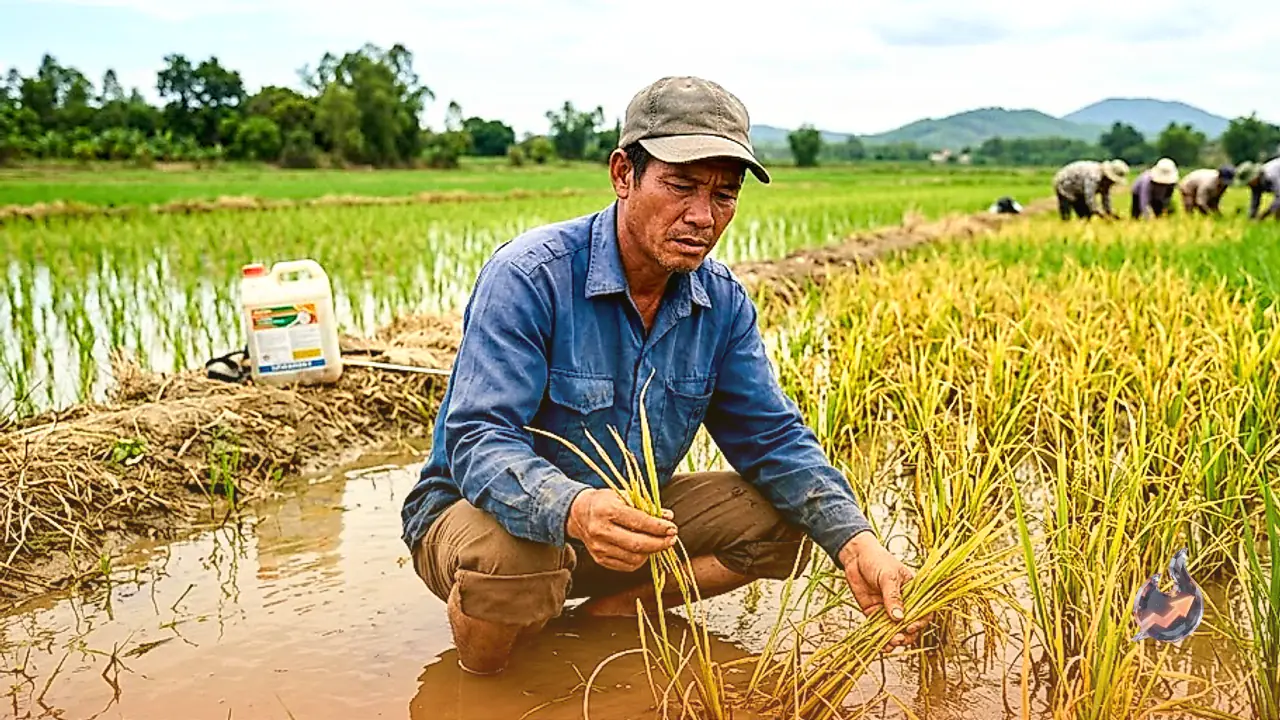
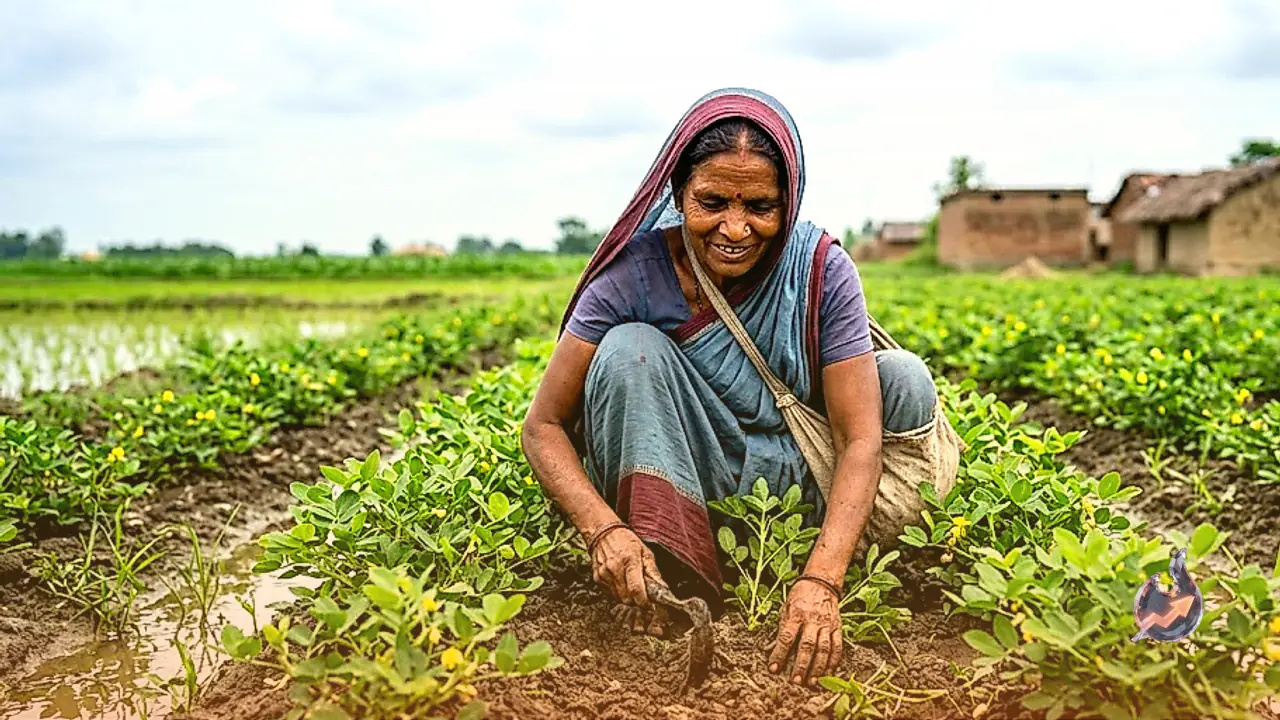























Farmers across the Mitauli tehsil region in Lakhimpur Kheri district actively cultivate peanuts alongside traditional crops during the monsoon season. The local soil composition and climate in Kheri district are well-suited for peanut farming, encouraging local farmers to grow the crop on a large scale for a long time. For many farming households, peanut cultivation serves as a vital source of income rather than just another crop due to its ability to mature in a short span.
A Half-Century Family Legacy Across Generations
Peanut crops currently flourish across the fields in the Mitauli region. Adequate moisture during the rainy season promotes the rapid growth of peanut plants. Farmers carry out weeding, hoeing, and timely maintenance to secure a better yield, while the lush green fields bring joy to the local farmers. Kunti Devi, a resident of the Mitauli area, explains that her family has been engaged in peanut farming for more than 50 years. This crop has remained a part of her family's agricultural tradition across generations. She notes that she currently cultivates peanuts on approximately four bighas of land. According to Kunti Devi, while peanut farming demands dedicated physical labor, favorable weather and a successful harvest can yield solid profits for farmers, which explains why her family has maintained this agricultural practice for so long.
Monsoon Care and Proper Drainage Requirements
Peanut cultivation requires fields to remain free of waterlogging. While sufficient moisture during the rainy season benefits the crop, continuous rainfall and accumulated standing water can prove detrimental. Farmers therefore select fields equipped with proper drainage systems. Well-drained and crumbly soil is essential for a good peanut harvest, and farmers must continuously monitor their fields during heavy rains since standing water can harm the crop.
Market Demand and Pricing Dynamics
Peanuts enjoy a steady demand throughout the year in the market. They are consumed directly as food and utilized in various food products. Market demand for peanuts rises notably during the winter season, and the crop is also processed to produce oil. Kunti Devi mentions that selling peanuts in local markets often fetches good prices. Depending on the quality, timing, and prevailing market demand, prices generally range between 120 rupees and 200 rupees. Securing favorable market rates directly boosts the overall income of the farmers.