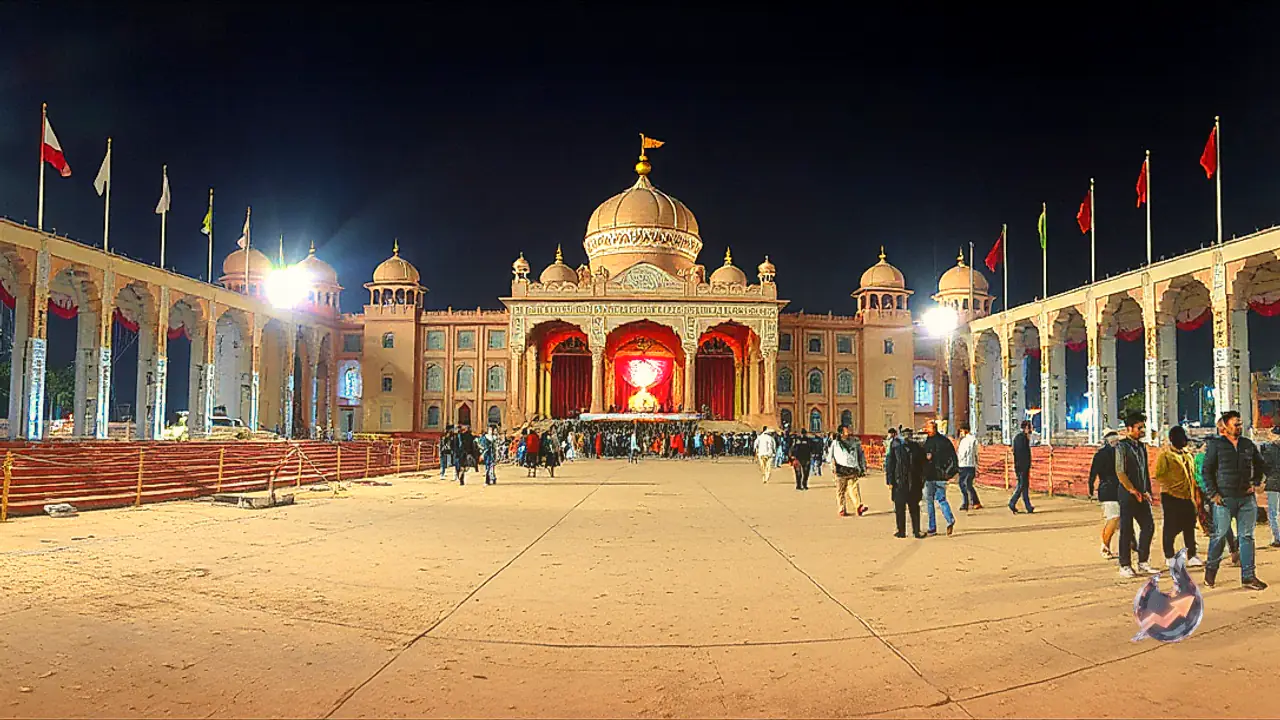


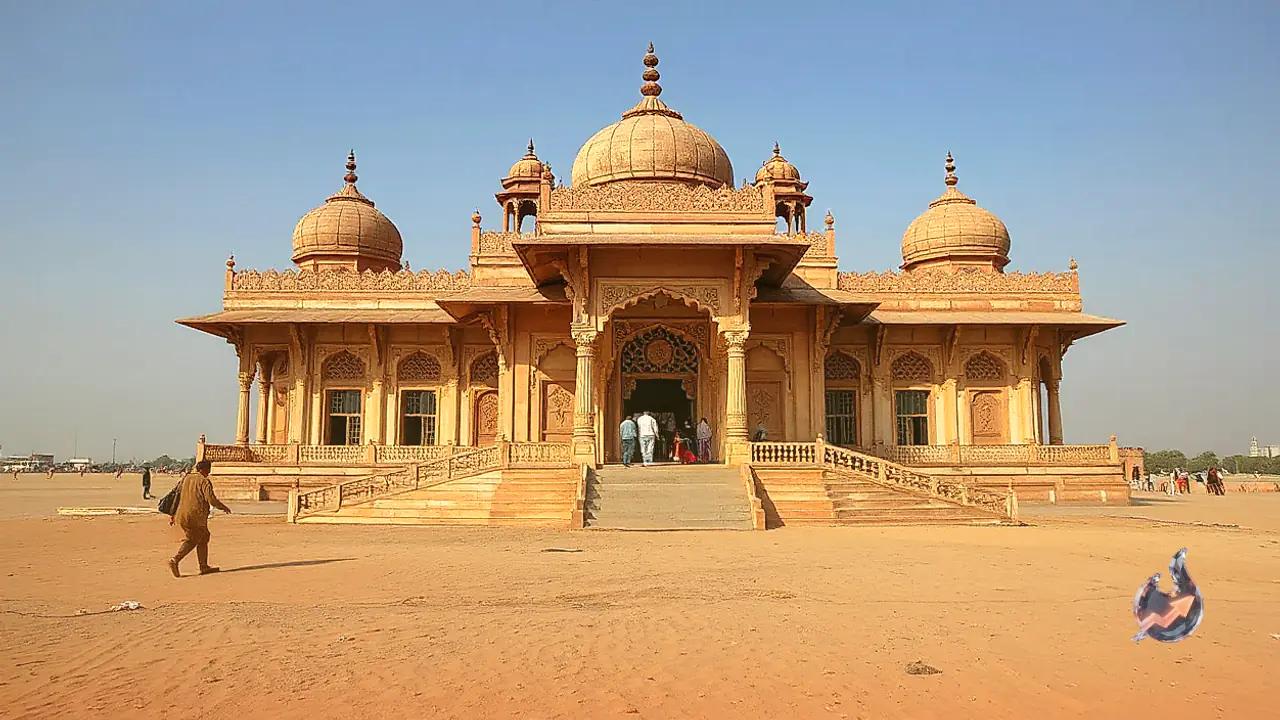














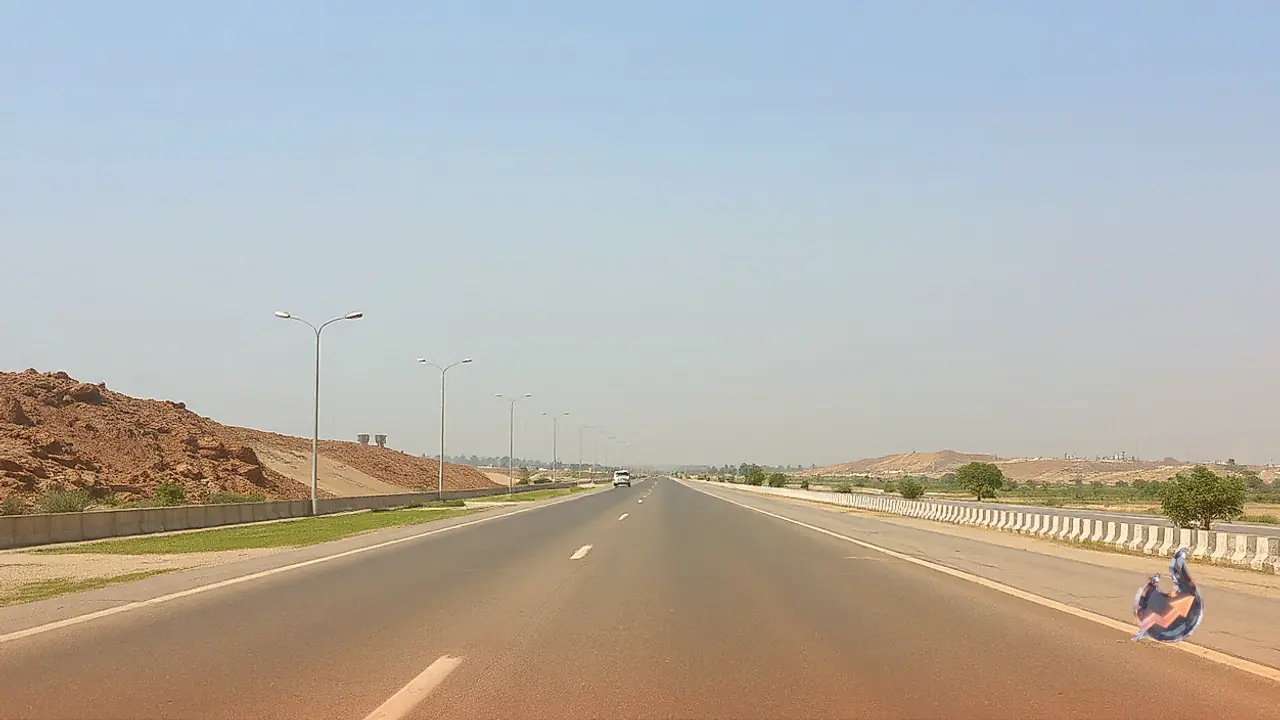

A key infrastructure link designed to provide seamless access to the holy city of Ujjain is nearing completion as the National Highways Authority of India (NHAI) records roughly 90 percent progress on the Ujjain-Garoth four-lane project. Designated as NH-752D, this 136-kilometer link corridor is being constructed at an estimated cost of around 2,600 crore rupees. It is engineered to hook directly into the Delhi-Mumbai Expressway, establishing a high-speed arterial link between one of the country's most significant national corridors and the world-renowned Mahakaleshwar temple complex in Madhya Pradesh.
Strategic Alignment Through Mandsaur's Garoth
The four-lane link expressway originates in Ujjain and extends northward to terminate at Garoth in the Mandsaur district. At Garoth, the route merges seamlessly into the main Delhi-Mumbai Expressway spine. This direct physical link ensures that motorists and pilgrims travelling from both the national capital region in the north and the financial hub of Mumbai in the west can divert straight toward Ujjain without negotiating congested regional networks. With nine-tenths of the structural work already concluded, NHAI plans to finish the remaining stretch swiftly and throw the corridor open to civilian traffic in the near future.
Preparing for Simhastha Kumbh 2028 and Slashing Travel Times
NHAI has strategically scheduled the commissioning of the Ujjain-Garoth link well ahead of the massive Simhastha Kumbh gathering scheduled in Ujjain for the year 2028. Managing the heavy influx of millions of pilgrims from across India, particularly from Delhi, Gujarat, and Maharashtra, requires robust highway capacity. For motorists travelling from Ahmedabad, the new route will deliver dramatic improvements by slashing travel times by around 6 hours. While the journey from Ahmedabad to Ujjain currently takes approximately 10 hours, the link will reduce that duration substantially. Across its 136-kilometer span, the corridor will establish transit connections touching around 8 districts, directly integrating central Madhya Pradesh with major interstate trade channels.
Economic Boost for the Malwa Industrial Belt
Beyond spiritual tourism, the expressway is projected to serve as an economic catalyst for the wider Malwa region. Historically constrained in capitalizing on major manufacturing and logistics corridors, Malwa stands to benefit significantly from direct connectivity to the Delhi-Mumbai industrial backbone. NHAI anticipates that faster travel between Madhya Pradesh, Gujarat, and Maharashtra will stimulate industrial activity, optimize freight logistics, and attract fresh corporate interest. By linking local manufacturing to port-connected national expressways, the corridor positions Malwa to blend vibrant religious tourism with substantial regional commerce.