





















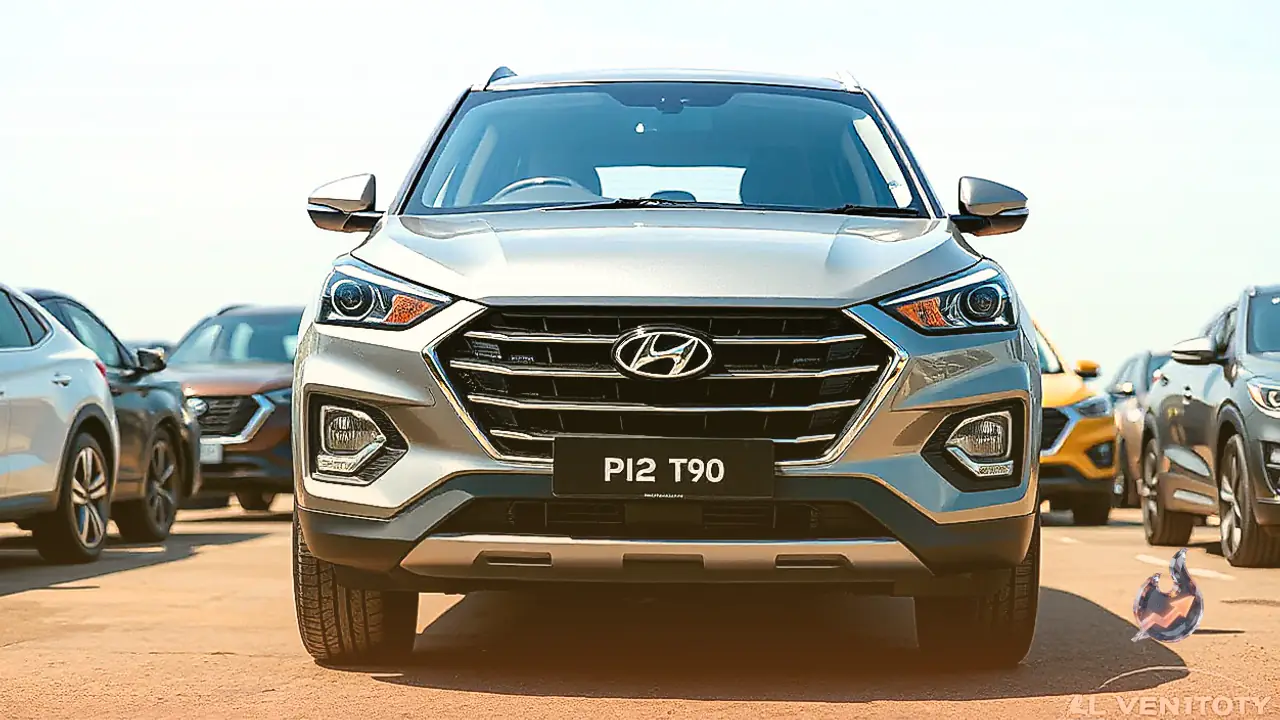

A fresh rivalry has taken shape in the Indian mid-size SUV landscape as automotive manufacturers introduce targeted alternatives for prospective buyers. The newest entrant, the Hyundai Bayon, is positioned directly against the Maruti Suzuki Victoris in a bid to occupy the market territory situated between popular offerings such as the Venue, Creta, and Brezza. On the commercial front, the Bayon enters the showroom floor at a starting ex-showroom price of ₹9.99 lakh, whereas the Victoris is listed with an introductory ex-showroom tag of ₹10.50 lakh. Each vehicle emphasizes a distinct set of strengths, forcing consumers to weigh advanced cabin technology against running costs and mechanical flexibility.
Exterior Profiling and Structural Dimensions
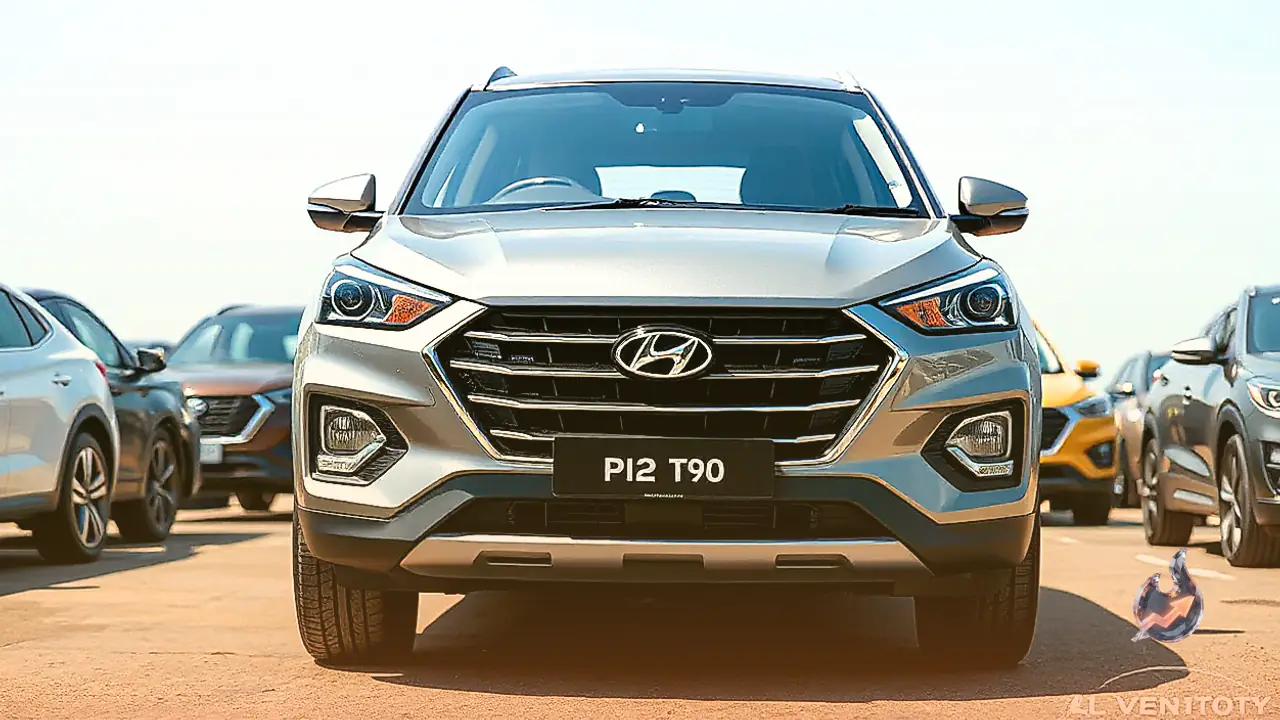
Styling philosophy marks the first major divergence between these two contenders. The Bayon adopts a sleek, contemporary silhouette defined by connected DRLs, modern LED projector headlamps, and taut closure-style character lines running along its exterior. Dimensionally, it spans 4245 mm in overall length, 1810 mm in width, and stands approximately 1605 mm tall, accompanied by practical ground clearance. Conversely, the Victoris projects a more commanding profile with an overall length of 4360 mm and a height of 1655 mm. Equipped with 17-inch alloy wheels, prominent roof rails, and an all-LED lighting array, the Victoris presents an upright and sculpted road presence compared to the more compact, stylized form of the Bayon.
Cabin Appointments, Display Tech, and Storage Capacity
Step inside, and the Bayon showcases an expansive dual 12.3-inch curved panel that integrates both digital instrumentation and multimedia tasks. Its range-topping variants incorporate front ventilated seats, a panoramic glass roof, and a high-end Bose audio configuration. Cargo storage is generous, rated at an official 505 liters. In contrast, the Victoris features a 10.1-inch infotainment screen paired with a standalone 10.25-inch digital driver cluster. It also treats occupants to ventilated seating, a panoramic sunroof, and a premium 12-speaker JBL audio arrangement. Rear boot volume in the Victoris ranges between 373 and 439 liters depending on setup. While both deliver spacious seating, the Bayon delivers a more unified and futuristic cockpit aesthetic.
Smart Connectivity and Driver Assistance Suites
Onboard electronics represent a key battleground for both models. The Bayon introduces a generative AI voice assistant capable of understanding 10 regional dialects, alongside connected vehicle services, a 360-degree surrounding view camera, a wireless charging dock, and Level-2 ADAS hardware. The Victoris matches several of these convenience aspects by including its own Level-2 ADAS suite, 360-degree surveillance, wireless phone integration, a motorized tailgate, and Suzuki Connect telematics. Both SUVs supply a comprehensive suite of convenience gadgets, though the Bayon holds an edge in voice recognition sophistication and screen real estate.
Crash Test Credentials and Standard Protective Equipment
Standard safety packaging is evenly matched across the entry points of both model lines. Every variant comes fitted with 6 airbags, electronic stability control (ESC), ABS, hill start assist, and a tire pressure monitoring system (TPMS). However, empirical crash evaluation sets them apart: the Victoris has secured a full 5-star crash safety certification under Bharat NCAP protocols. While the Bayon includes advanced active driver aids via Level-2 ADAS, its official NCAP crash test rating has not yet been published, leaving the Victoris with the stronger independently verified safety standing at present.
Engine Outputs, Gearboxes, and Efficiency Figures
Under the hood, the Bayon relies on a 1.5-liter naturally aspirated petrol engine that develops 115 PS of peak power alongside 144 Nm of torque. Power delivery is managed by either a 6-speed manual transmission or an IVT automatic, returning an estimated fuel efficiency figure of roughly 18.6 km/l, with a factory CNG version planned for the future. Meanwhile, the Victoris offers significantly broader mechanical variety. Its lineup begins with a 1.5-liter mild-hybrid engine making 103 PS and 139 Nm, transitions to a strong-hybrid system offering class-leading economy of 28.65 km/l, and includes an underbody-mounted CNG package rated at 27 km/kg. Transmission options span manual and automatic units, with select trims even featuring an AWD drivetrain, cementing the Victoris as the superior pick for running economy and powertrain breadth.