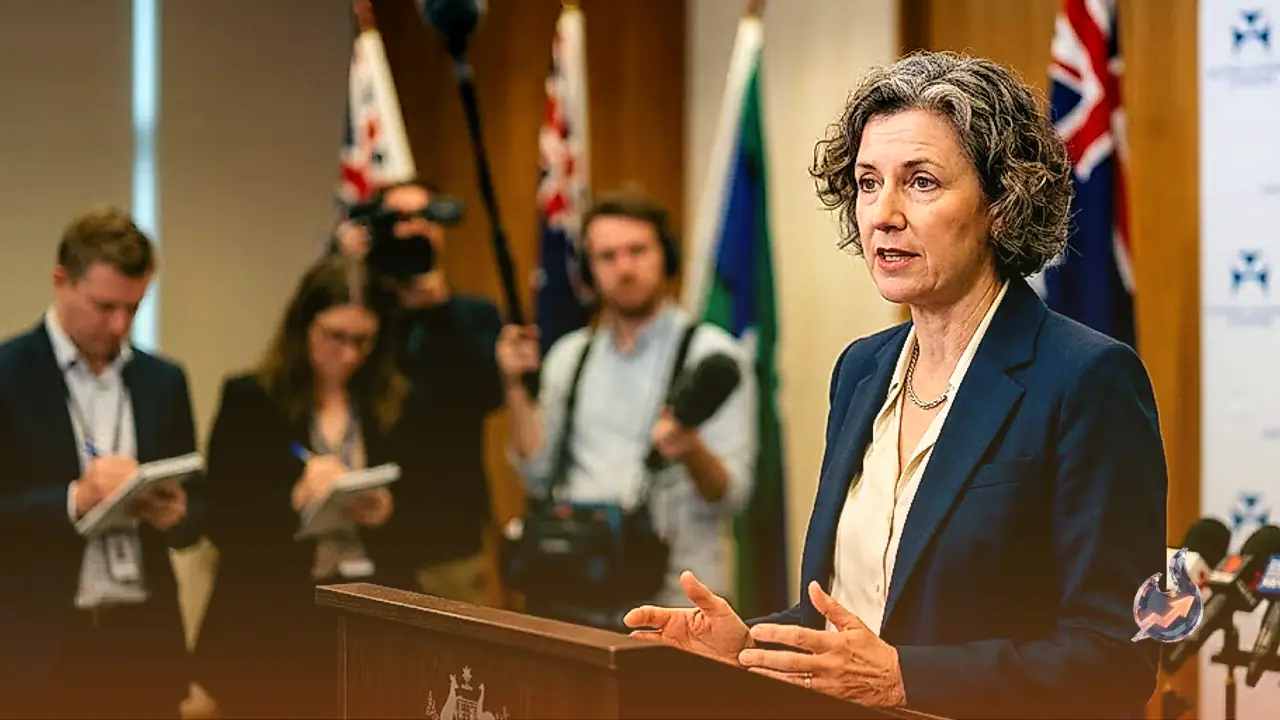

























Months after New Delhi and London signed their free trade pact, the UK has resolved the one sticking point that kept threatening to blunt its benefits: how Indian goods would be taxed for their carbon footprint at British ports. London has now agreed to price that tax using India's own domestic carbon trading formula, a move that should lighten the load on Indian exporters once Britain's carbon border rules kick in.
A Formula India Wrote, Now Accepted in London
Britain's authorities have informed India's Ministry of Power arm, the Bureau of Energy Efficiency, that they are adding India's Carbon Credit Trading Scheme to the approved list of overseas carbon-pricing systems the UK will reference under its Carbon Border Adjustment Mechanism, or CBAM. In practice, whenever Indian-made goods reach the UK, customs officials will now use figures built on India's own scheme, not a generic UK benchmark, to work out how much carbon tax applies. The two sides kept negotiating on this specific point even after the wider free trade agreement was signed, precisely because carbon taxation was seen as the one piece that could quietly erode the tariff gains exporters had already won. Officials tracking the talks described the acceptance of India's terms as a significant strategic win inside the wider free trade process between the two countries.
Why the Carbon Credit Scheme Matters
India notified the Carbon Credit Trading Scheme to curb the smoke and carbon pollution pouring out of its factories. The idea is to put a price on greenhouse gas output by letting companies trade carbon credit certificates, gradually squeezing emissions out of economic activity rather than banning them overnight. At its core, the scheme is meant to wean India's manufacturing sector off carbon-heavy processes over time. The Bureau of Energy Efficiency is also arranging the financing needed to run the programme. It is precisely this homegrown mechanism that the UK will now lean on when it trades with India.
Relief for Exporters, With Conditions Attached
According to officials familiar with the matter, London has effectively linked India's carbon credit scheme to its own pricing mechanism. That means UK-based importers bringing in Indian goods covered by CBAM can apply for a tax discount, provided they can produce the evidence and verification demanded under British law. Indian companies hoping to benefit will need detailed records on hand, since British customs will not extend any concession without documented proof that carbon costs were already borne back home. Once the rule takes effect, Indian shipments into Britain should attract a lower tax bill, a benefit that flows straight through to Indian exporters and traders. The UK's CBAM framework already carries a built-in safeguard against double taxation: goods that have already been taxed for carbon emissions in their country of origin will not be taxed a second time on arrival in Britain. Indian exporters stand to gain the most from this arrangement, since a large share of the country's manufacturing still runs on coal, the single biggest source of carbon emissions. Just how large that gain turns out to be will only become clear once the two governments settle on an actual price for trading carbon under the new arrangement.
The Trade Relationship Behind the Deal
India and the UK signed their trade agreement on 15 July this year, locking in the broader free trade terms that this carbon deal now supports. Goods trade between the two countries touched $25.1 billion in financial year 2025-26, while services trade between them had already reached $25.4 billion in 2024. Britain's CBAM regime itself is not due to take effect until 2027, and when it does, it will apply taxes on carbon-intensive Indian exports such as iron and steel entering the UK. But with India's carbon trading scheme now formally recognised, exporters are hoping the tax hit will be considerably softer than it would otherwise have been.
What Happens Next
For now, the two governments still have to agree on the actual price at which carbon credits will be valued, a figure that will decide exactly how much relief exporters end up receiving. Until that price is fixed, businesses on both sides will be watching closely, since it is this single number, more than the approval itself, that will determine whether the concession meaningfully offsets the tax due once CBAM comes into force in 2027.