






















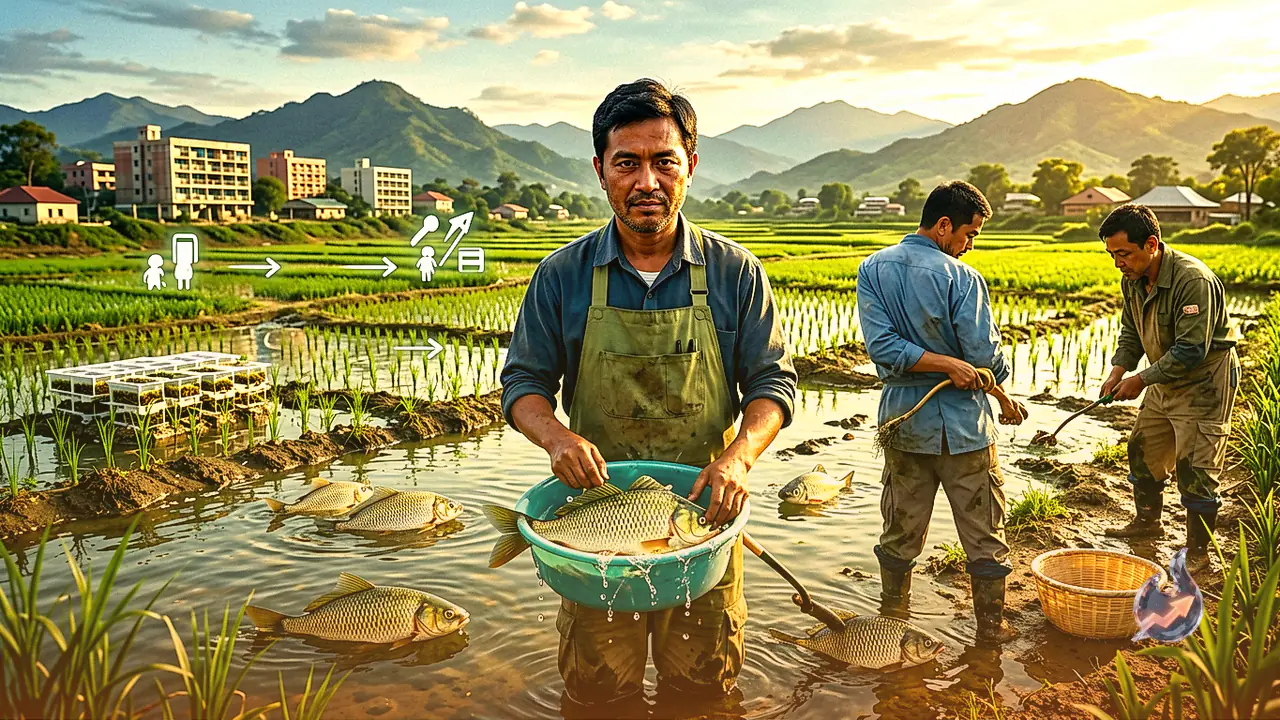

Across regions like Bhagalpur and various parts of India, young entrepreneurs are increasingly shifting away from traditional agriculture to embrace modern agribusinesses. Among these alternative farming methods, commercial aquaculture has emerged as a preferred career path for youth due to its potential for high profit margins on relatively low initial investments. However, industry experts caution that jumping into this sector without adequate research, training, and operational patience can lead to severe financial setbacks. Commercial fish production broadly operates through two primary business models: traditional fish farming, which involves rearing fish for direct culinary consumption, and hatchery operations, which focus on breeding fish eggs and producing high-quality fish seeds or spawn.
Fish Farming Versus Hatchery Operations: Evaluating Profitability and Risk
When comparing financial returns, aquaculture expert Krishna Kanhaiya notes that running a hatchery offers significantly higher profits than conventional fish farming. However, the hatchery model is equally demanding and presents a much steeper learning curve. Operating a successful hatchery requires advanced technical knowledge, specialized infrastructure, and hands-on operational experience. The biological process inside a hatchery involves managing egg development in broodfish, regulating exact water temperatures to hatch eggs into spawn, and nurturing fry within strict environmental parameters. Even a minor fluctuation in water temperature or a slight deterioration in water quality can destroy an entire batch, potentially resulting in financial losses amounting to lakhs of rupees.
A Two-Step Strategic Roadmap for Aspiring Aquaculturists
Given the technical complexities and financial risks tied to hatchery management, expert Krishna Kanhaiya strongly advises newcomers against starting their journey directly with a hatchery setup. Instead, he recommends a structured, progressive approach to building a resilient enterprise
- Step One: Beginners should start with standard pond-based fish farming. This foundational phase allows individuals to master basic pond maintenance, water condition monitoring, feeding schedules, and disease management.
- Step Two: Once an entrepreneur fully grasps the operational nuances of fish rearing, biological care, and local market distribution dynamics, they can confidently scale up into commercial hatchery operations.
Essential Pond Treatment and Water Quality Management
Maintaining long-term profitability in fish farming depends heavily on regular pond inspection and chemical treatment. Krishna Kanhaiya highlights that monitoring water pH levels, ensuring adequate dissolved oxygen, and periodically spraying preventive medications are critical safeguards against devastating disease outbreaks. Neglecting these core environmental management practices can easily ruin an entire harvest. In summary, commercial aquaculture is a discipline grounded in patience, continuous learning, and practical training. When backed by sound technical guidance and hands-on experience, this industry can consistently deliver substantial annual profits.