






















A hot cup of tea serves as a primary morning ritual for countless households, providing an instant boost of energy to kickstart the day. However, even a tiny misstep during preparation can dull its flavor and ruin the entire experience. A common dilemma many face in the kitchen is whether to add water or milk to the pot first. The answer lies in traditional brewing techniques that prioritize extracting maximum aroma and strength before adding dairy.
Step-by-Step Guide to Brewing the Perfect Cup
The ideal brewing process begins by adding water into the vessel first. As the water begins to warm up, introduce crushed ginger, cardamom, cloves, or tea masala. Allow these spices to boil thoroughly in the water for 2 to 3 minutes. This crucial timeframe ensures that the natural oils, essence, and fragrance of the spices dissolve completely into the liquid base.
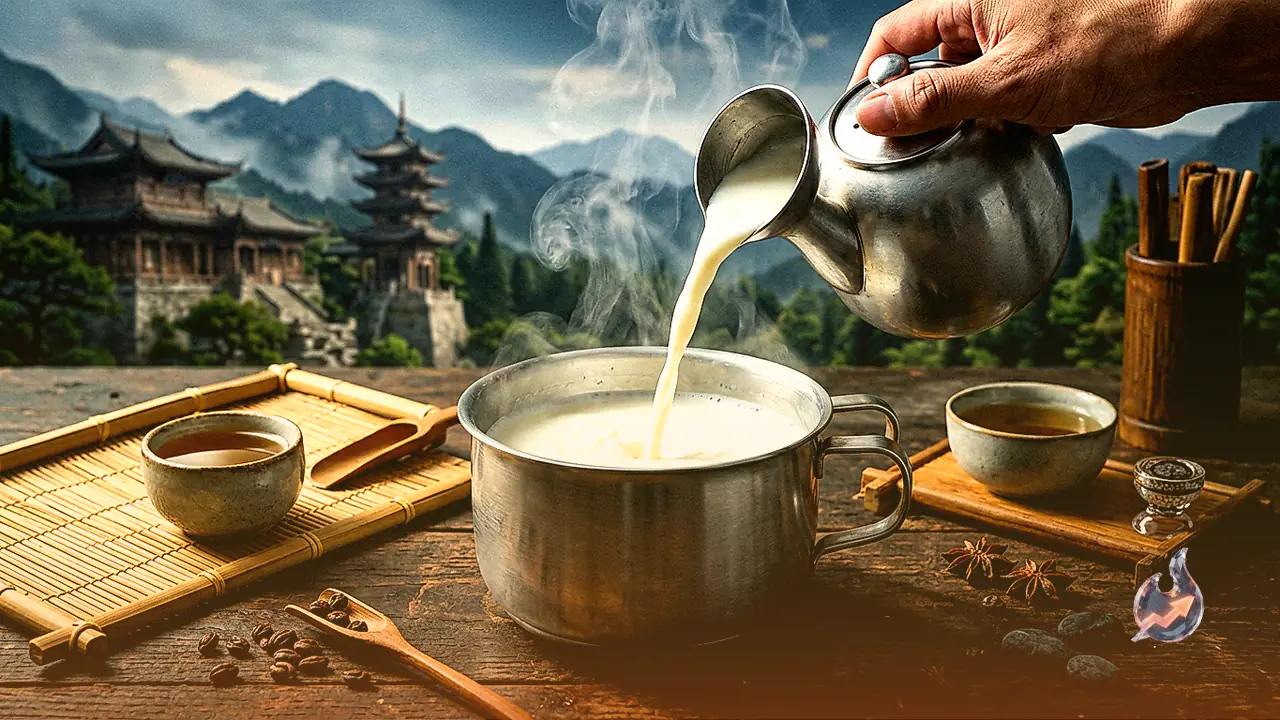
Next, add the tea leaves into the simmering spiced water and turn down the flame. Giving the tea leaves adequate time to boil allows them to release their rich color and strong flavor profile. Once this aromatic decoction of water, spices, and tea leaves has fully cooked, pour in the milk. After combining the milk, let the mixture simmer on a low flame through 2 to 3 boils so the dairy merges seamlessly with the spices and tea leaves.
Finally, sugar should always be added at the very end or after the milk has thoroughly cooked. Adding sugar too early in the process prevents the tea leaves from fully releasing their depth of flavor and vibrant color.
Why Pouring Milk First Ruins the Flavor
Starting the process by pouring milk directly into the vessel creates several chemical barriers to brewing. The natural fats and proteins present in milk coat the surface of the tea leaf granules, forming a protective layer. This barrier prevents the tea leaves from releasing their full strength and deep color into the brew.
Furthermore, spice extracts fail to blend properly when dissolved directly in dense milk rather than water. As a result, the tea loses the desirable earthy richness that makes a traditional cup so satisfying. Prolonged boiling of milk together with tea leaves can also alter the taste profile, producing an unpleasant or off-putting flavor.