
















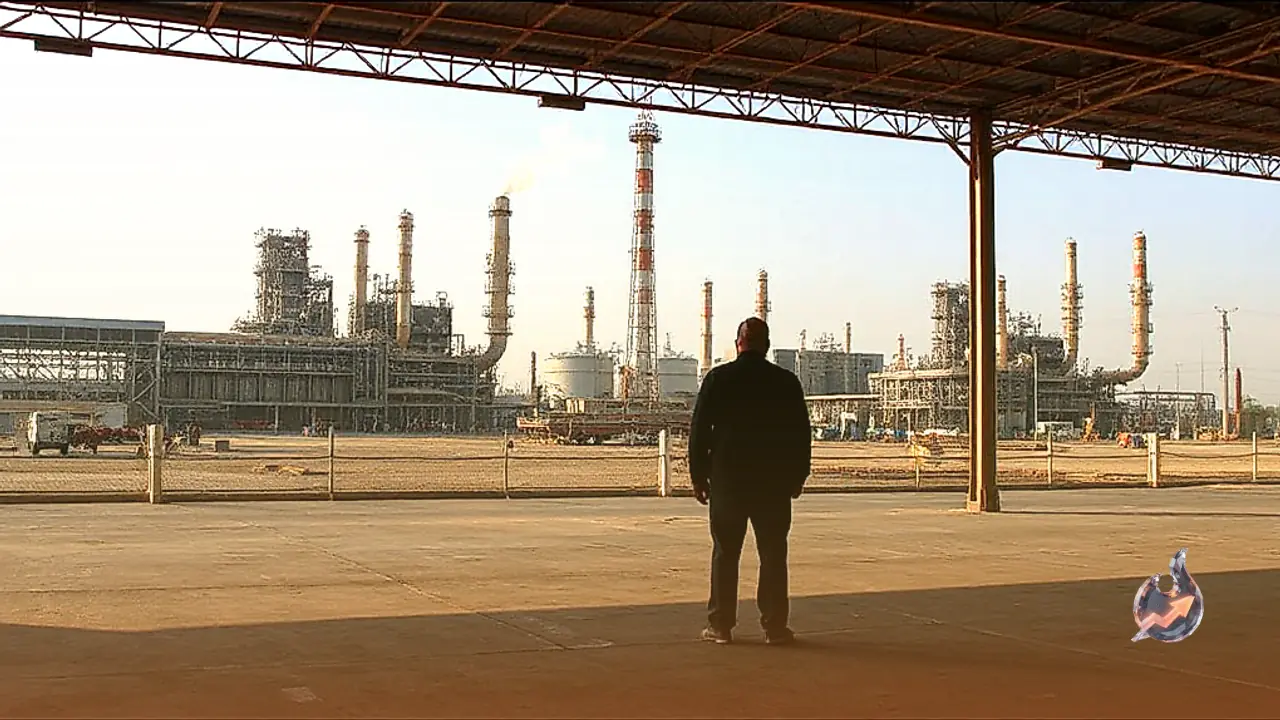

The visit of US Secretary of State Marco Rubio to the sprawling Reliance refinery in Jamnagar, Gujarat, marks a notable moment in the deepening energy partnership between the United States and India. Arriving on Wednesday under stringent security arrangements from the Jamnagar Air Force Airport, Rubio headed straight to the industrial complex owned by industrialist Mukesh Ambani. The high-profile stop is widely viewed as part of ongoing bilateral efforts to reinforce trade relations, bolster energy security, and expand strategic cooperation across critical economic sectors.
Exploration of Venezuelan Crude Processing Capabilities
A central focus surrounding this high-level inspection is the technical prospect of handling and processing Venezuelan crude oil. Venezuela holds some of the world's largest known reserves of petroleum, yet its extraction yields heavy, complex crude grades that pose unique refining challenges compared to output from traditional oil-producing territories. Transforming such feedstock into consumer-ready fuels like petrol and diesel demands advanced metallurgical configurations, specialized delayed coking units, and massive scale. The Jamnagar mega-refinery complex, operated by Reliance, is renowned internationally for its capability to process heavy, sour, and unconventional crude varieties efficiently. While specific commercial pacts or formal authorizations have not been officially confirmed, industry observers anticipate that future processing routes and bilateral energy mechanisms involving Venezuelan reserves were among the key points of discussion.
The Strategic Significance of Jamnagar’s Refining Hub
Ranking among the world's most sophisticated and highest-capacity petroleum complexes, the Jamnagar facility plays a vital role in India's energy landscape and global fuel distribution networks. Its massive capacity enables continuous crude intake from diversified global origins, producing essential transport fuels and petrochemical intermediates that serve both domestic consumption and substantial export markets. Secretary Rubio’s decision to personally tour this manufacturing hub highlights the growing prominence of Indian refining infrastructure within international supply security frameworks. As global energy dynamics shift, Washington and New Delhi are placing heightened priority on reliable, resilient supply chains that can withstand regional volatility.
Momentum Following Mumbai Bilateral Talks
The Jamnagar visit represents the second leg of Marco Rubio’s official tour across India. Prior to arriving in Gujarat, Rubio held extensive discussions in Mumbai with India’s External Affairs Minister, S. Jaishankar. Their dialogue spanned comprehensive facets of the bilateral relationship, including defence cooperation, technological innovation, economic policy, and mutual energy security priorities. According to the Ministry of External Affairs, both sides expressed satisfaction with the forward movement achieved during negotiations on a proposed bilateral trade agreement. The two governments affirmed their commitment to finalizing the trade framework swiftly, setting a collaborative tone for continued engagement between the two nations.