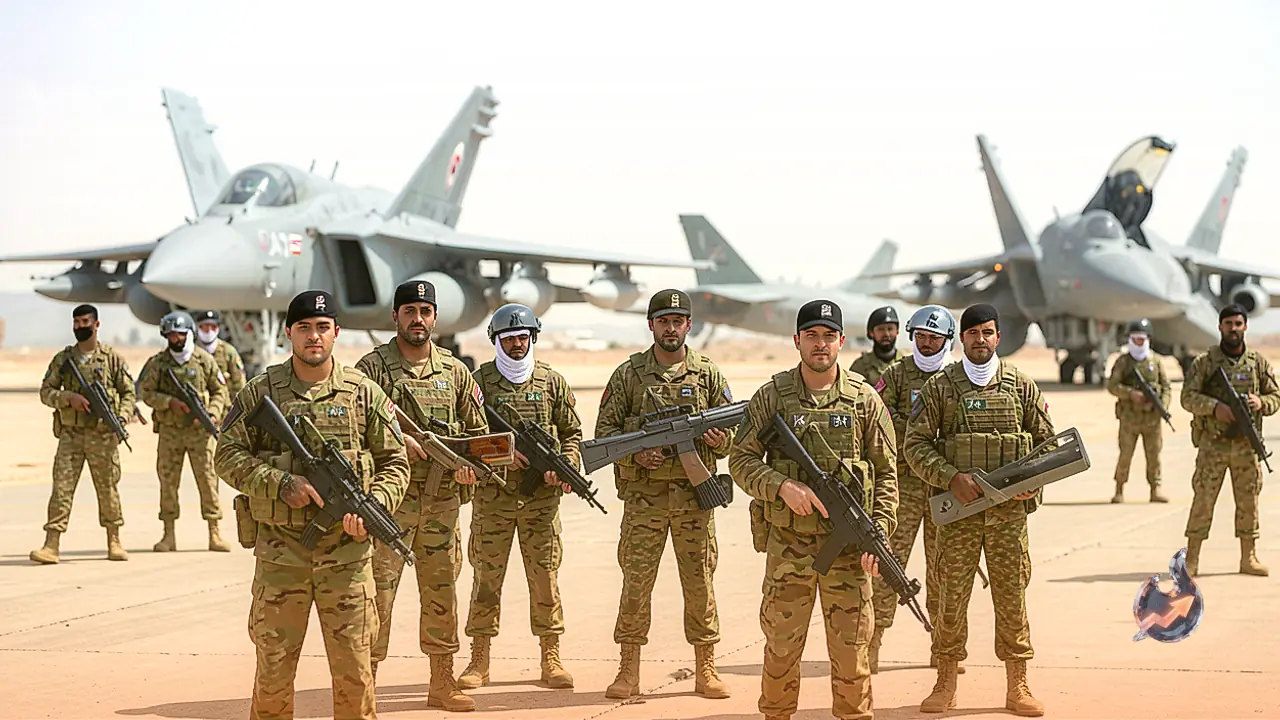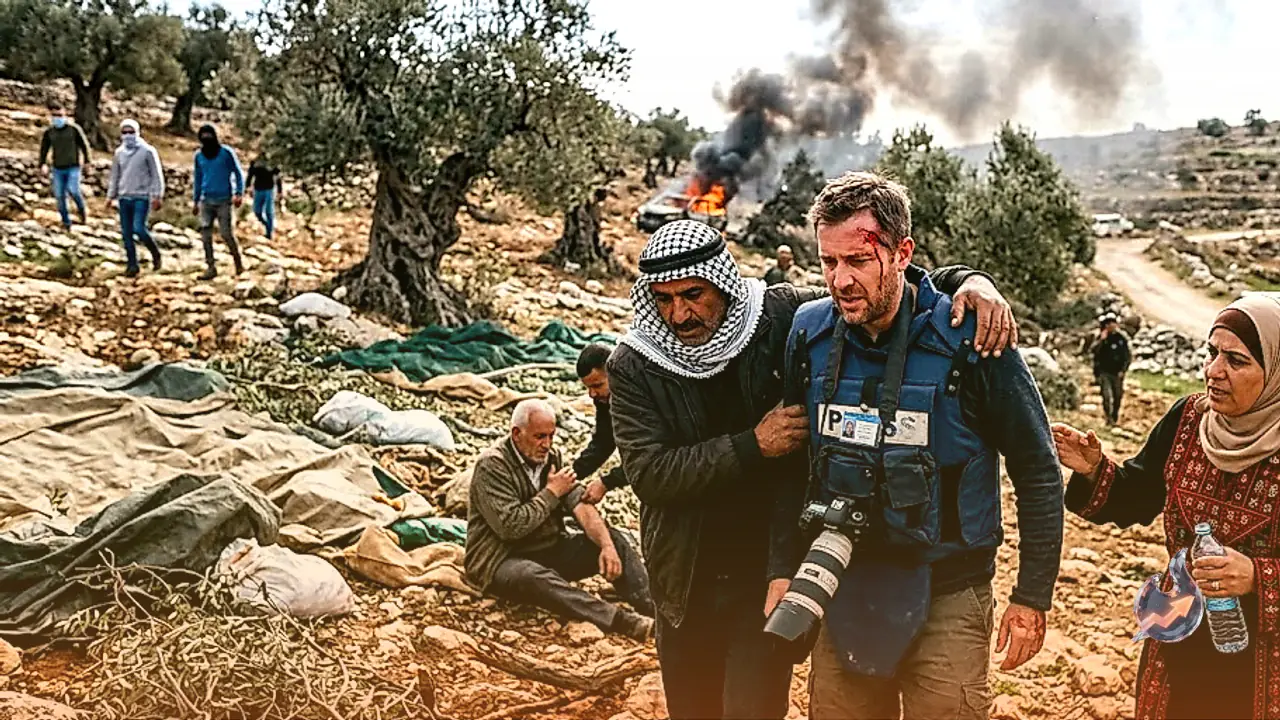





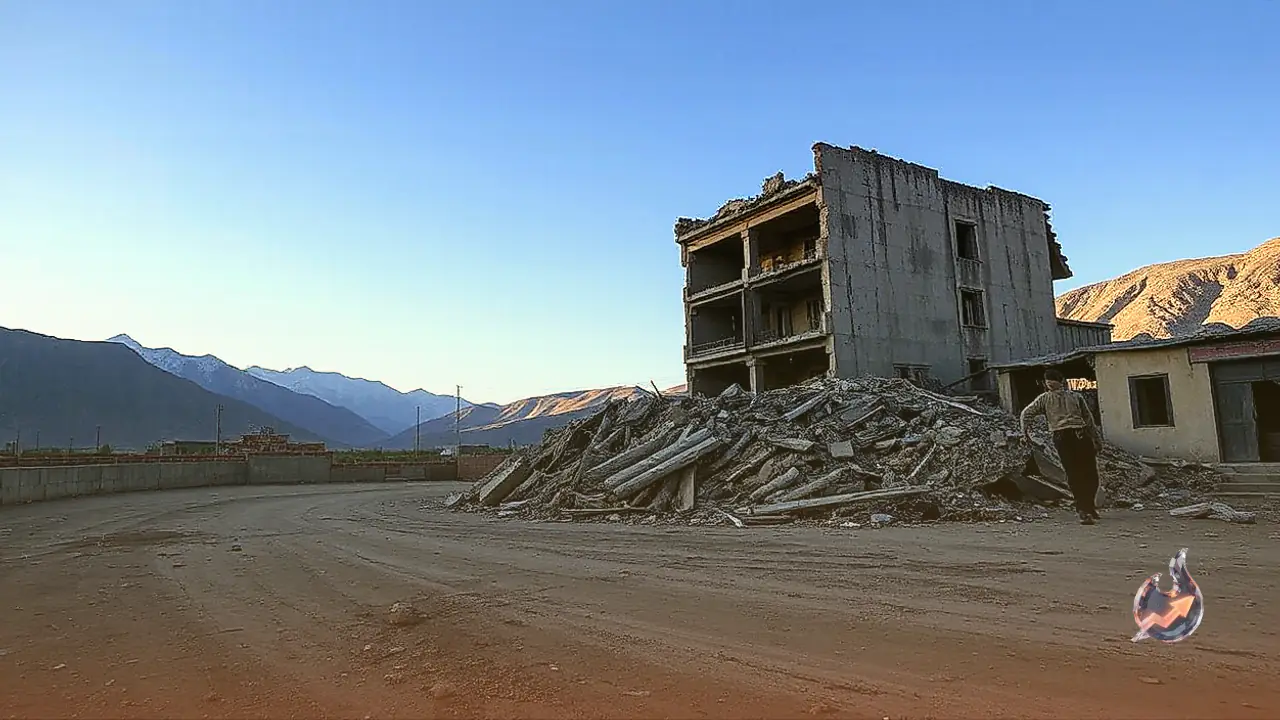
















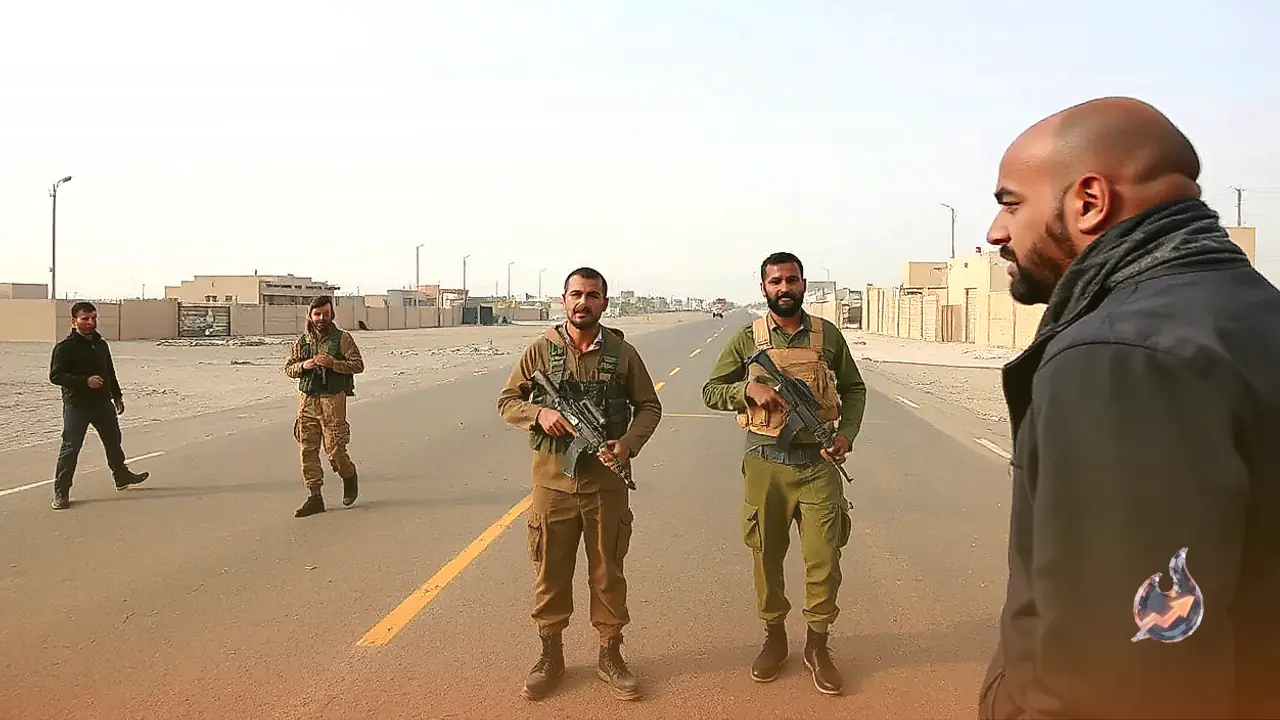

A violent incident struck King Fahd International Airport in Dammam, the largest city in Saudi Arabia's oil-rich Eastern Province, on Wednesday evening. According to the General Authority of Civil Aviation, the attack resulted in the deaths of two individuals and left eight others injured. Authorities confirmed that those killed were a Saudi citizen and an Indian resident, while the injured included nationals from Saudi Arabia, India, Yemen, Bangladesh, and Nepal. Although aviation officials did not specify the exact nature of the assault, Yemen's Iran-backed Houthi movement has frequently targeted Saudi aviation hubs and infrastructure using drones and ballistic missiles.
Previous Drone Interceptions and Energy Infrastructure
Earlier on Wednesday morning, separate debris from a downed drone claimed two more lives in the Eastern Province. The Saudi energy ministry reported that air defenses intercepted a drone as it closed in on a processing facility operated by state-owned Aramco within the Shaybeh oil field. That incident also caused a contractor's vehicle to burst into flames, with the casualties identified as nationals from the Philippines and Nepal. Furthermore, the Saudi-led military coalition supporting the Yemeni government confirmed that four additional drones were intercepted on Wednesday night to prevent further destruction.
Retaliation Claims and Escalating Casualties
While the Houthi movement did not immediately issue a statement regarding the airport attack, they have consistently maintained that their strikes on Saudi energy facilities and military bases are retaliatory measures against air raids in western Yemen. Saudi authorities report that at least 21 people have died in Houthi-related airport attacks since the beginning of October. A particularly devastating missile strike on Riyadh's international airport on October 10 killed 13 people and injured 308 others, marking the deadliest assault inside the kingdom in over a decade. Meanwhile, Houthi-run media claimed that air and artillery strikes had killed six people and injured 11 others over a 24-hour period.
Broader Conflict and Regional Humanitarian Impact
The wider civil war in Yemen continues to generate devastating humanitarian consequences across the region. The Houthi-run health ministry states that 155 civilians have perished since the conflict flared up three months ago, whereas the government health ministry places the death toll at 1,574 for the same timeframe. The United Nations estimates that over 256,000 people have been displaced by the ongoing violence. The conflict originated in 2014 when the Houthis seized the capital city of Sanaa, intensifying significantly in 2015 when a coalition of Arab states intervened. A fragile four-year informal ceasefire collapsed in July following a renewed maritime embargo and renewed missile attacks near critical shipping chokepoints like the Bab al-Mandab Strait.