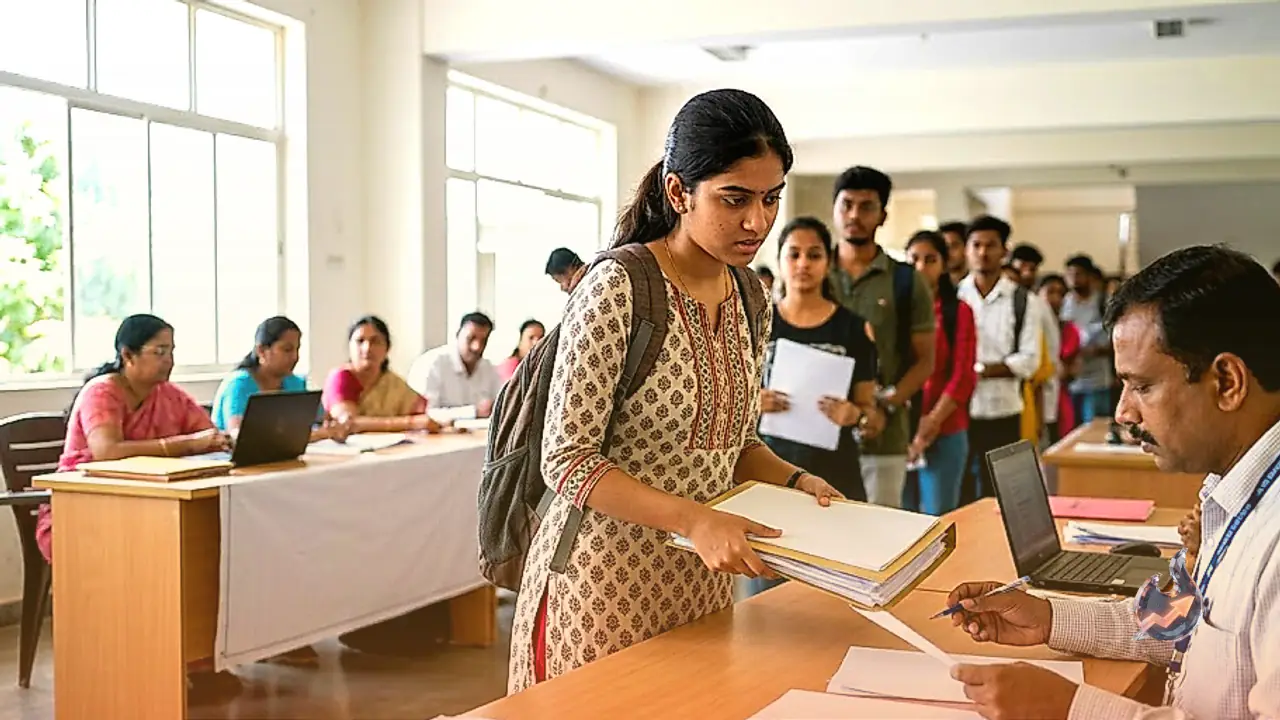




















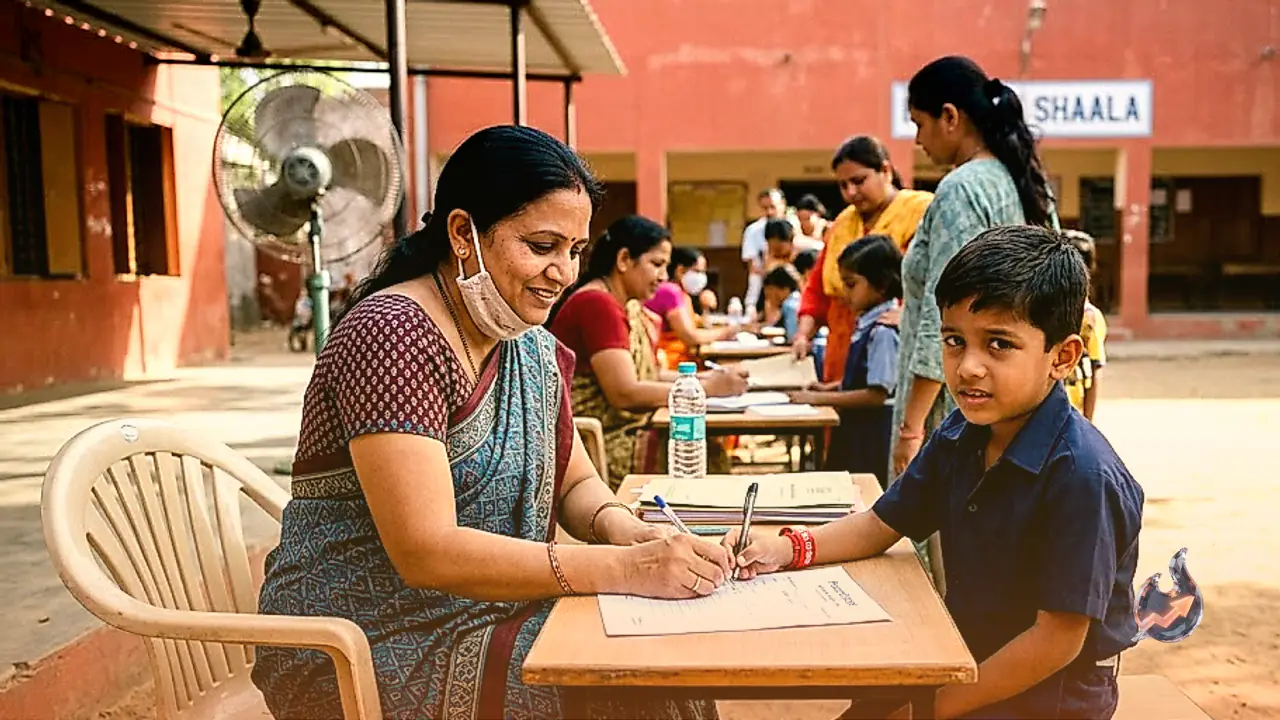

In a major boost to public education in Gujarat, dedicated school teachers across Ahmedabad have achieved a remarkable achievement by bringing back 86 percent of out-of-school children into classrooms. Operating under the state education department's comprehensive 'Back to School' initiative conducted throughout May and June 2026, educators willingly sacrificed their annual summer vacations to trace children who had been forced into street work, child labor, or heavy domestic responsibilities. Their relentless door-to-door outreach, conducted under extreme weather conditions, has successfully given thousands of young students a vital second chance to resume their formal education and secure a better future.
Impressive Enrolment Numbers Across Ahmedabad and Gujarat State
The statewide drive was initiated after the Gujarat Education Department conducted an extensive identification survey during the preceding academic session. This state-level exercise identified approximately 6.41 lakh dropout children spread across nearly 44,000 government and government-aided schools. Focusing on the urban landscape of Ahmedabad city, education authorities cataloged a total of 10,387 out-of-school children who required immediate intervention. Through systematic ground-level tracking, continuous home visits, and persuasive family counselling, municipal and government school teachers successfully re-enrolled 9,036 of these children, representing an impressive 86 percent success rate for the city. Additionally, monitoring data revealed that among the target group, 1,357 children had relocated to other states or secured admission in Industrial Training Institutes (ITIs), thereby ensuring that their skill development and educational continuity remained intact despite moving away from primary schooling.
Grassroots Struggles: Navigating Extreme Heat and Family Resistance
The path to achieving this high re-enrolment rate involved intense physical effort and social negotiation from field educators. During the sweltering heat of May and June, educators like Nitaben Bhadresha, the head teacher at Vasna Municipal School, traversed city neighborhoods on two-wheelers to track down elusive home addresses. Many of these young children were caught in economic survival cycles, waking up in the early morning hours to work in wholesale vegetable markets and spending their evenings selling produce on city streets. Parents, trapped in severe poverty, frequently viewed their young children as necessary earning hands rather than students. Teachers had to meet parents repeatedly, patiently explaining that relying on a child for immediate household income sacrifices their long-term potential, whereas formal schooling provides a sustainable pathway out of intergenerational poverty.
Addressing Gender Inequalities and Migrant Population Hurdles
Field teams encountered unique social and demographic challenges in localities such as Asarwa and Jehangirpura. Suketubhai Yagnik, a dedicated teacher at Jehangirpura School, reported that among the 37 dropout students listed in his jurisdiction, over 80 percent were young girls. Deep-seated social orthodoxies frequently led families to stop their daughters' education after class 8, assigning them to full-time household responsibilities such as meal preparation and caring for younger siblings. Furthermore, tracking migrant worker families posed severe logistical hurdles, as these households routinely changed their residential locations and mobile phone numbers in search of employment. To counter this, teachers conducted exhaustive community inquiries and physically monitored neighborhoods until every reachable child was identified and counseled.
Official Felicitation by Chief Minister and Long-Term Impact
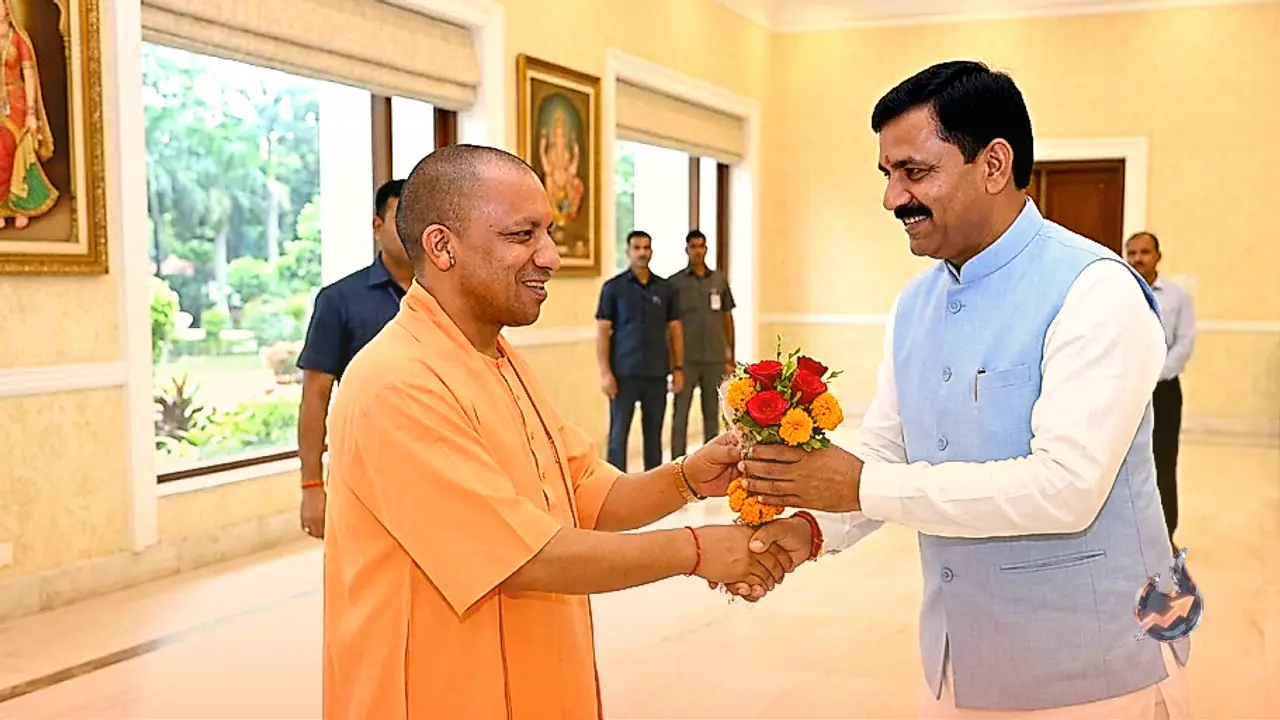
The selfless human effort demonstrated by the teaching fraternity earned widespread official acclaim across the state. On July 22, Gujarat Chief Minister Bhupendra Patel personally felicitated the educators who led the ground movement to bring dropout children back into the formal schooling system. Officials from the Municipal School Board highlighted that the campaign succeeded primarily due to the teachers' relentless follow-up strategy and their ability to inform parents about government educational schemes, free learning materials, and welfare benefits. By pulling thousands of vulnerable children away from street labor and back into structured classrooms, the campaign has protected their fundamental right to education and safeguarded their future from economic obscurity.