

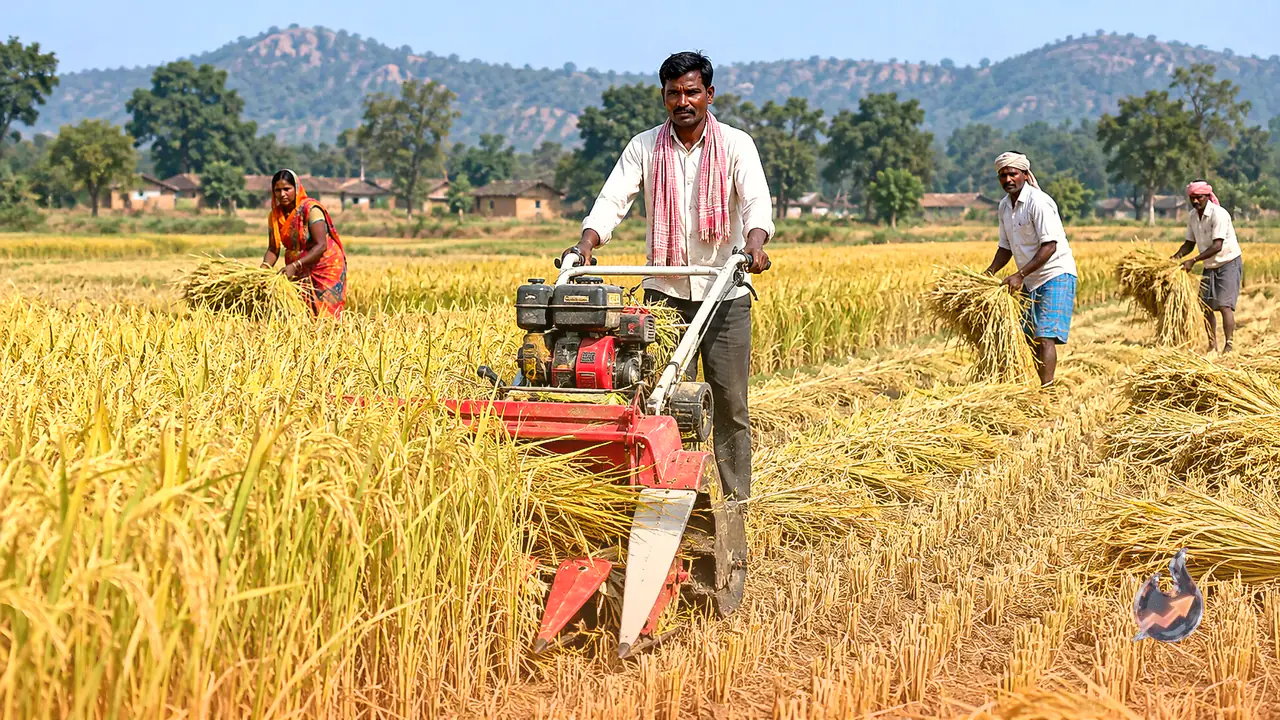





















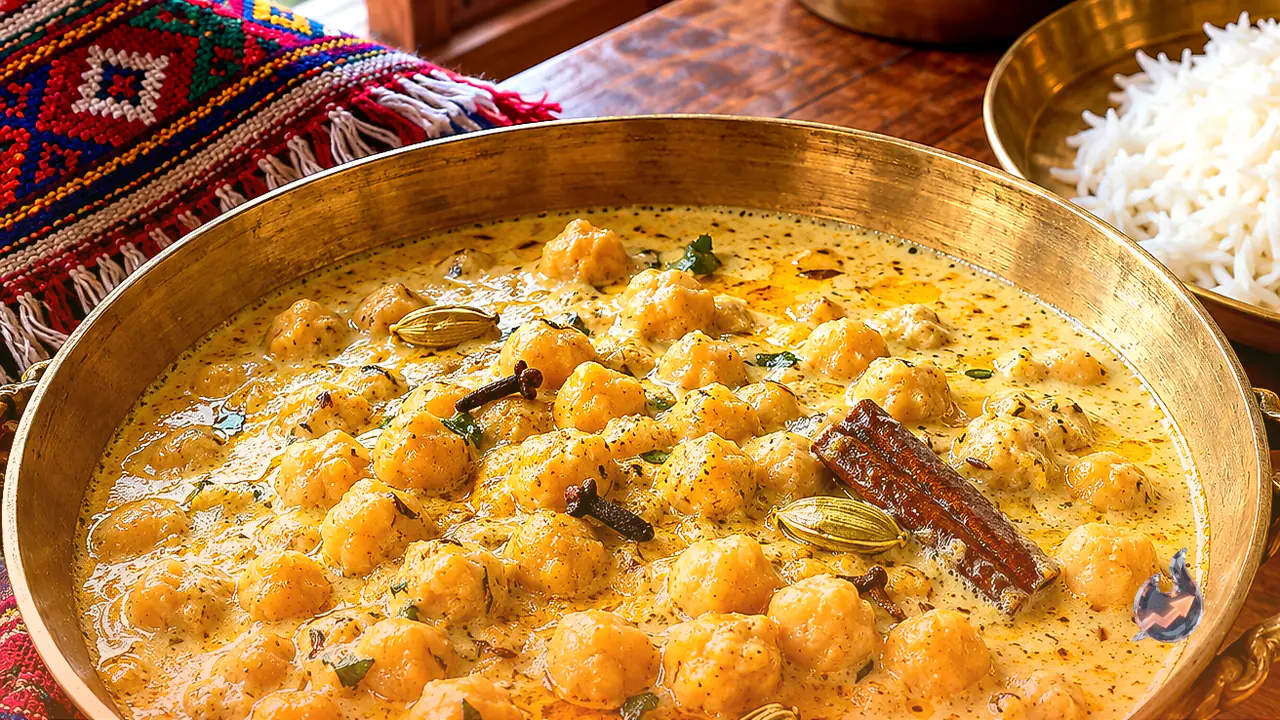

Himachal Pradesh boasts a culinary legacy deeply rooted in minimalism, regional agriculture, and the deliberate use of warming whole spices. At the center of this mountain heritage stands the traditional community feast known as the Dham, celebrated across Kangra, Chamba, and neighboring valleys during weddings, seasonal festivals, and auspicious gatherings. Among the array of specialties served on large leafy plates, Chana Madra holds a position of royal esteem. While conventional North Indian curries depend heavily on an aromatic base of sauteed onions, garlic, and stewed tomatoes, this iconic mountain preparation deliberately omits all three. Instead, it derives its luxurious texture, gentle tang, and deep aroma entirely from whole spices, mustard oil, and velvety curd.
Essential Ingredients for Authentic Pahadi Madra
Crafting this festive masterpiece at home requires a handful of robust pantry staples, handled with care to replicate the genuine rustic profile
- Dried Chickpeas: One cup of good-quality dried white kabuli chana.
- Thick Yogurt: Approximately two cups of whole-milk curd, whisked smooth, making sure it is fresh rather than excessively sour.
- Cooking Medium: Two tablespoons of pure mustard oil, which imparts the signature pungent base characteristic of mountain fare.
- Whole Aromatic Spices: One teaspoon of cumin seeds, two bay leaves, a one-inch piece of cinnamon bark, three to four whole cloves, four to five black peppercorns, two green cardamoms, and one whole black cardamom pod.
- Ground Spices: Half a teaspoon of turmeric powder, half a teaspoon of red chili powder, one teaspoon of ground coriander seeds, and half a teaspoon of aromatic garam masala blend.
- Supporting Elements: Two whole green chilies, salt according to preference, and one teaspoon of fine rice flour to ensure stable thickness in the gravy.
Soaking and Simmering the Chickpeas
The texture of the legume forms the backbone of the finished dish. Begin by thoroughly rinsing the dry chickpeas under cool tap water two to three times to eliminate surface dust. Transfer the rinsed legumes into a deep vessel and submerge them under ample water, allowing them to soak undisturbed for six to eight hours or overnight. During this extended hydration, the legumes will swell to nearly double their dry volume, softening their starch for even pressure cooking.
Following the soak, drain the soaking liquid completely and give the chickpeas a final quick rinse. Place them into a pressure cooker, covering them with sufficient fresh water so that the waterline sits about an inch above the legumes, along with a tiny pinch of salt. Fasten the cooker lid securely and cook over medium heat for four to five whistles. The precise duration depends on the age of the crop and cooking altitude, but the goal remains consistent: the chickpeas must turn completely tender when pressed between two fingers without breaking apart into an unappealing mush.
Building the Whisked Spiced Yogurt Base
Because yogurt replaces the usual vegetable foundation in this gravy, preparing it properly dictates the success of the dish. Selecting curd that is only mildly tart prevents the final curry from turning uncomfortably sour. Place two cups of thick curd into a spacious mixing bowl and whisk vigorously using a manual balloon whisk or wooden churner until completely glossy and free of any lumps.
Incorporate the ground spices directly into the bowl: turmeric, red chili powder, coriander powder, and garam masala. Whisk once more until the spices are thoroughly dissolved into the pale cream matrix. Blending the ground spices into cold curd protects them from scorching when introduced to the pan while distributing the seasoning uniformly. If the curd feels excessively dense, a small splash of plain water may be mixed in, though one should avoid thinning it out excessively. At this juncture, stirring in a teaspoon of rice flour acts as a natural binding agent, lending structural body and preventing curd separation during the cooking process.
Blooming Whole Spices in Mustard Oil
Set a heavy-bottomed skillet or traditional iron wok over a steady flame. Pour in two tablespoons of mustard oil and heat it steadily until faint wisps of white smoke begin to drift from the surface. This crucial step burns off the raw sulfurous sharpness innate to unrefined mustard oil. Once smoked, dial back the heat to low and allow the temperature to cool slightly so the spices do not burn upon contact.
Scatter in the cumin seeds, bay leaves, cinnamon stick, cloves, black peppercorns, green cardamoms, and black cardamom pod. Saute the aromatic spices gently in the warm fat for several seconds until the cumin crackles and fragrant essential oils infuse the oil. Keep the flame gentle throughout; charred spices will irrevocably spoil the delicate creamy nuances of the sauce.
Mastering the Tempering and Simmering Technique
Introducing dairy into hot seasoned oil requires absolute attentiveness to avoid curdling. Keep the burner on its lowest possible setting. Pour the whisked spiced yogurt mixture into the pan in a gradual, thin stream with one hand while continuously and vigorously stirring the oil in circular motions with a wooden ladle using the other hand.
Do not pause the stirring action until the mixture begins to bubble steadily. By maintaining uninterrupted agitation over a gentle heat, the milk proteins heat evenly without clumping into curds and whey. Once the sauce comes to a gentle simmer and droplets of spiced oil begin rising along the rim, add the whole green chilies and salt to taste. Reserving salt until this boiling phase provides extra insurance against dairy curdling.
Infusing the Chickpeas and Final Dum
Carefully add the boiled, drained chickpeas into the simmering golden yogurt gravy. Gently fold the legumes into the sauce to coat each piece evenly. If the mixture appears too thick at this stage, a modest ladleful of the reserved chickpea boiling broth can be introduced to loosen the consistency.
Cover the skillet with a tight-fitting lid and allow the Madra to simmer on low heat for eight to ten minutes. This gentle braising period allows the earthy aroma of the cardamoms, cloves, and cinnamon to penetrate deep into the center of each chickpea while the sauce thickens into a rich, clinging gravy. Remove the lid to inspect the finish: a glossy sheen of oil resting atop the sauce signals completion. Serve this piping hot Himachali Shahi Chana Madra accompanied by steamed long-grain basmati rice or fresh griddled flatbreads.