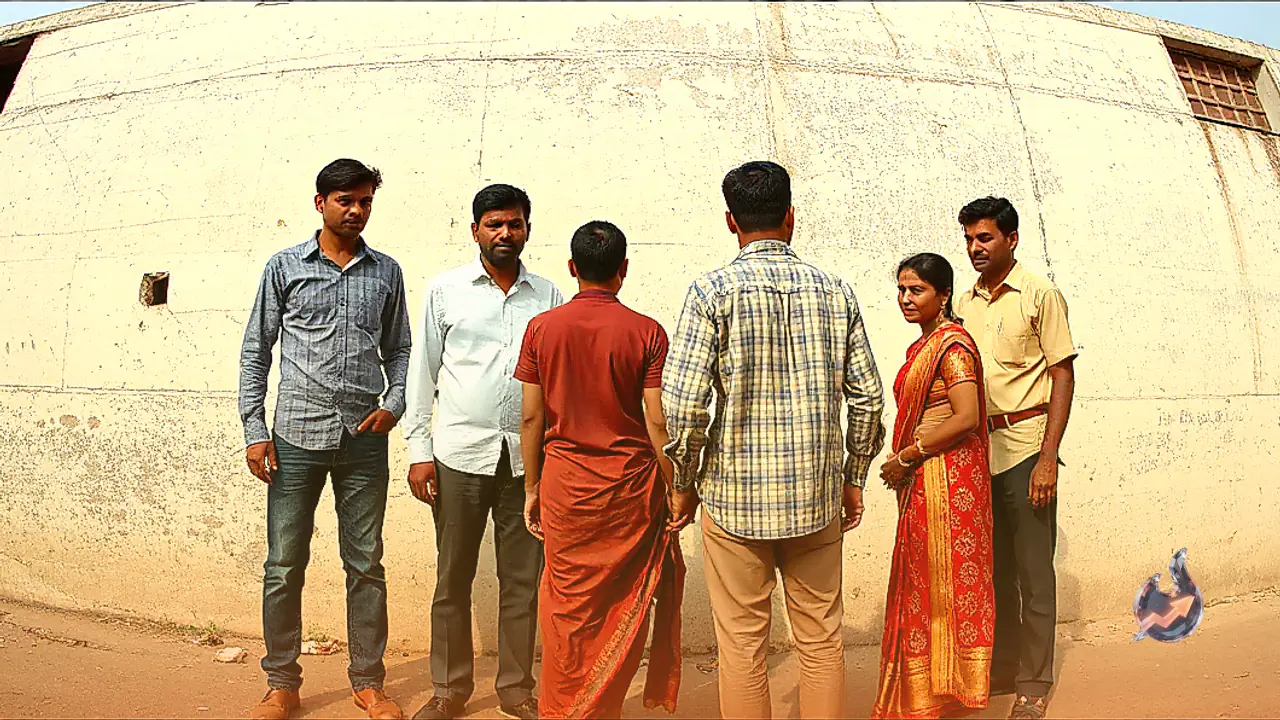























Mentioning the festival of Karwa Chauth typically summons classic imagery of married women adorned in traditional festive attire, observing a waterless dawn-to-dusk fast, and eagerly awaiting moonrise to break their fast through a decorated sieve. However, contemporary household dynamics are witnessing a distinct evolution as husbands actively take up the fast for their wives. Driven by the desire to stand in solidarity, many spouses spend the entire day without food or water, participating shoulder-to-shoulder in the evening prayers and the patient wait for the moon. Observing the fast as a husband has evolved into a meaningful statement of equality, deep affection, and mutual respect within modern marriage.
Absence of Historical Origins Points to a Modern Shift
Traditional customs historically dictate that married women observe the Karwa Chauth fast to pray for the longevity, happiness, and sound health of their husbands. This cultural observance has been celebrated predominantly across Northern Indian regions including Punjab, Haryana, Rajasthan, and Uttar Pradesh. According to documentation on the official tourism portal of the Government of India, some husbands have likewise begun observing this rigorous fast to pray for the well-being and long life of their wives. When tracing the precise origins or the geographical origin of this shift, historical records offer no documented starting point. Consequently, this development cannot be attributed to a single pioneer, household, or urban center, but rather reflects broader changes in modern family perspectives.
Shared Endeavor and Mutual Respect Drive the Trend
A growing number of contemporary couples prefer not to restrict Karwa Chauth to an isolated duty performed solely by women. Instead, they view the occasion as an opportunity to demonstrate companionship, love, and reciprocal care. When a wife observes a challenging daylong fast, the husband chooses to experience the physical discipline alongside her. Couples carry out the preparatory rituals together, perform the evening prayers, wait jointly for the moon to emerge, and break their fast simultaneously. Handled in this manner, the event transcends formal religious duty and becomes a meaningful milestone for strengthening personal bonds.
Observations published in October 2024 likewise highlighted this evolving character of Karwa Chauth, documenting how husbands in multiple communities are actively participating in fasts together with their spouses.
Is Observing the Fast Compulsory for Husbands?
From a purely doctrinal standpoint, traditional Karwa Chauth customs are meant exclusively for married women, and husbands are under no cultural or spiritual obligation to observe it. Nevertheless, when a husband voluntarily undertakes the fast out of genuine personal devotion and affection, families across diverse backgrounds welcome the decision with warmth. Because devotional rituals, family conventions, and fast guidelines differ across communities and geographical areas, couples retain full liberty to adapt the observance to suit their individual convictions and practical routines.
Balancing Personal Devotion with Health Realities
While emotional commitment and cultural celebration carry great significance, prioritizing medical well-being remains paramount before initiating an austere fast. Individuals dealing with underlying chronic illnesses or those following strict daily prescription schedules are advised against undertaking waterless fasts abruptly. Medical experts consistently emphasize consulting healthcare practitioners before abstaining from sustenance or altering hydration routines.
The willingness of husbands to fast on Karwa Chauth mirrors a wider cultural transition toward balanced domestic partnerships. Where past traditions placed primary focus on the self-sacrifice of women, couples today value reciprocal emotional investment. This development does not suggest that every married man must undertake fasting, nor does it establish a mandatory universal standard. Couples convey devotion in distinct ways, whether through abstaining from meals, assisting with day-to-day household demands, ensuring their partner remains rested, or participating wholeheartedly in the ceremonial rituals.