





















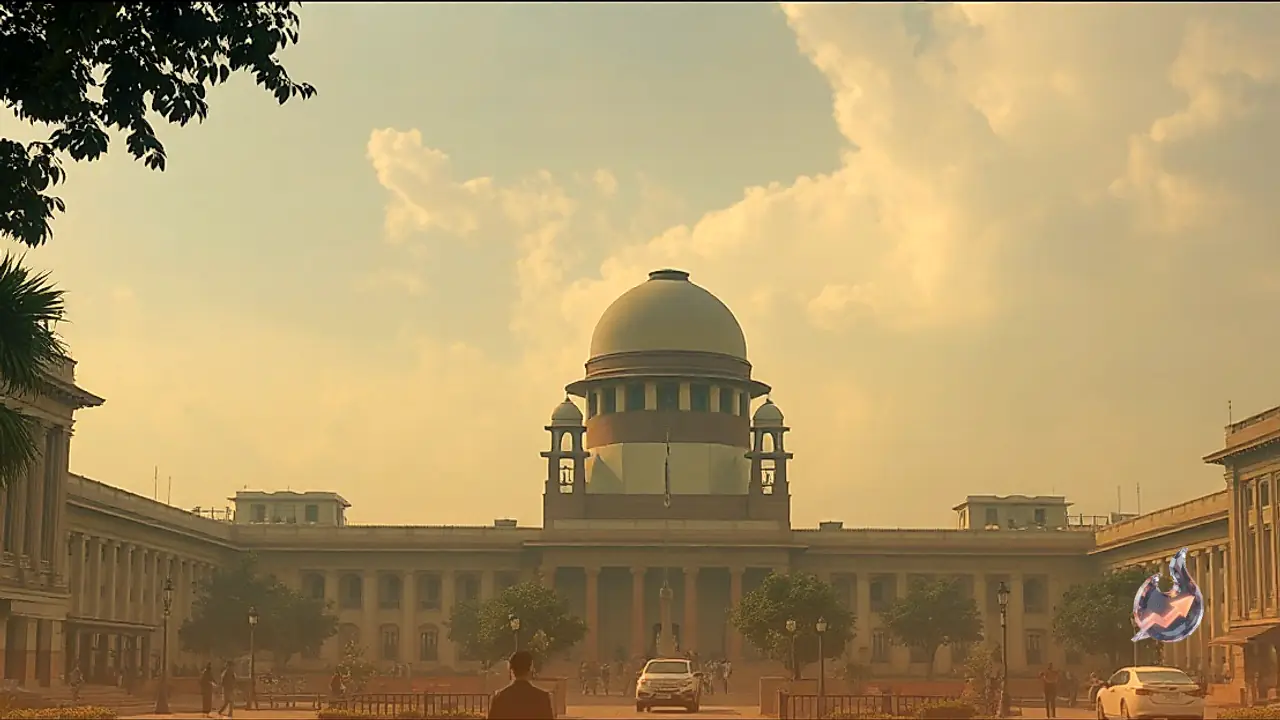

The Supreme Court of India has taken a stern view of the academic deadlock faced by students due to marks awarded under the Central Board of Secondary Education's (CBSE) On-Screen Marking (OSM) system. Emphasizing that candidate interests must not be compromised, the top court asked the board to formulate concrete measures to safeguard students who are struggling to secure admissions in higher educational institutions due to lower evaluation scores. The court scheduled the next hearing on this Public Interest Litigation (PIL) for August 21.
Supreme Court Demands Solution for Trapped Students
The matter came up for consideration before a bench comprising Chief Justice of India (CJI) Surya Kant, Justice Joymalya Bagchi, and Justice V. Mohana. During the proceedings, counsel representing the petitioner informed the bench that several students had successfully cleared various competitive entrance examinations for professional courses after completing their CBSE board exams. However, due to low marks received through the digital evaluation process, they failed to meet the mandatory minimum eligibility percentage required for final enrolment.
The advocate further highlighted that in several cases, academic sessions and regular classes for those professional courses have already commenced. This has plunged successful candidates into a severe career crisis solely due to marking disparities. Responding to these submissions, the Supreme Court instructed the counsel representing CBSE to consult the board and identify effective mechanisms to protect the academic career of affected candidates.
Adjournment and Role of Law Officers
The bench deferred further hearing on the matter to August 21 after being informed that Solicitor General Tushar Mehta was unavailable during the session. The court had earlier requested the Solicitor General to assist in resolving the legal and procedural questions involved in the petition, leading the bench to fix the upcoming date for comprehensive arguments.
In a previous hearing on July 15, the Supreme Court had voiced serious concern over the distress and disappointment brewing among students regarding the digital evaluation system. At that stage, Solicitor General Tushar Mehta had informed the court that individual grievances related to specific student mark sheets had been largely addressed. However, he maintained that the government was treating the broader systemic issues linked to the evaluation model with utmost seriousness.
Systemic Reforms and Review Panel
During the proceedings, the top court was also apprised that a single-member commission headed by S. Radha Chauhan has been constituted to review the evaluation architecture. The commission has been tasked with assessing the functioning of the current On-Screen Marking system and recommending necessary structural and operational overhauls. The Supreme Court had previously asked the Solicitor General to place on record the specific corrective steps taken by CBSE so far.
Key Demands Raised in the Public Interest Litigation
The PIL was filed in the Supreme Court by petitioner Rakesh Binjola through advocate Laxmikant Matadan Shukla. The petition seeks explicit directions to the Union Government and CBSE to establish clear, standardized rules and regulatory guidelines for evaluating board exam answer sheets via the On-Screen Marking framework. It further requests the creation of a high-powered committee to oversee the implementation of evaluation reforms.
Additionally, the petitioner has sought specific relief for students who have cleared competitive entrance tests or obtained provisional admissions. The petition urges the court to grant appropriate relaxation in the requirement of 75 percent aggregate marks in Class 12 or other minimum eligibility criteria, ensuring that students do not suffer academic loss merely due to evaluation discrepancies in the board exams.
Understanding the On-Screen Marking System and Ongoing Discontent
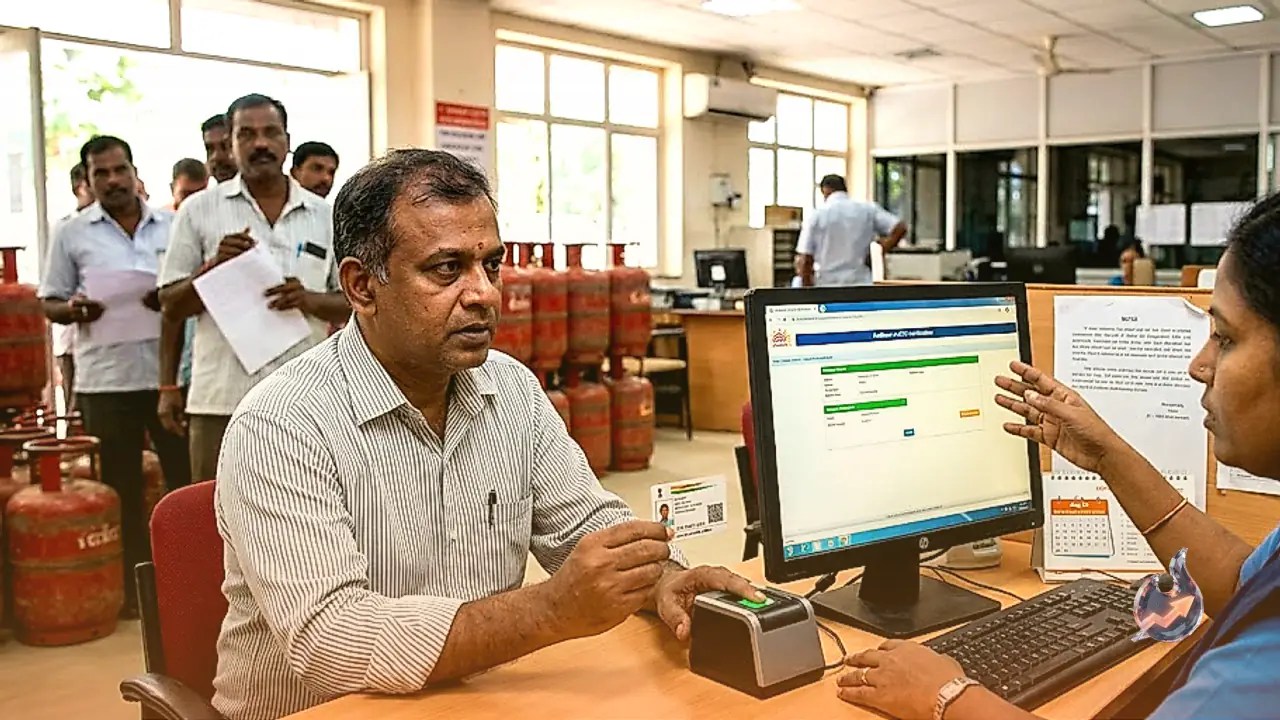
Under CBSE's On-Screen Marking (OSM) evaluation protocol, traditional physical paper checking is replaced by digital assessment. Physical answer booklets written by students are scanned and uploaded onto secure digital servers. Teachers then view these scanned digital copies on computer monitors to evaluate answers and assign marks directly through the software platform.
However, this digital mode has drawn criticism from students, parents, and educators. Key concerns include screen readability issues, rapid grading paces, potential technical glitches, and inadequate transparency during re-evaluation requests. The petition highlights these operational flaws, urging the court to mandate a standardized and error-free evaluation framework.