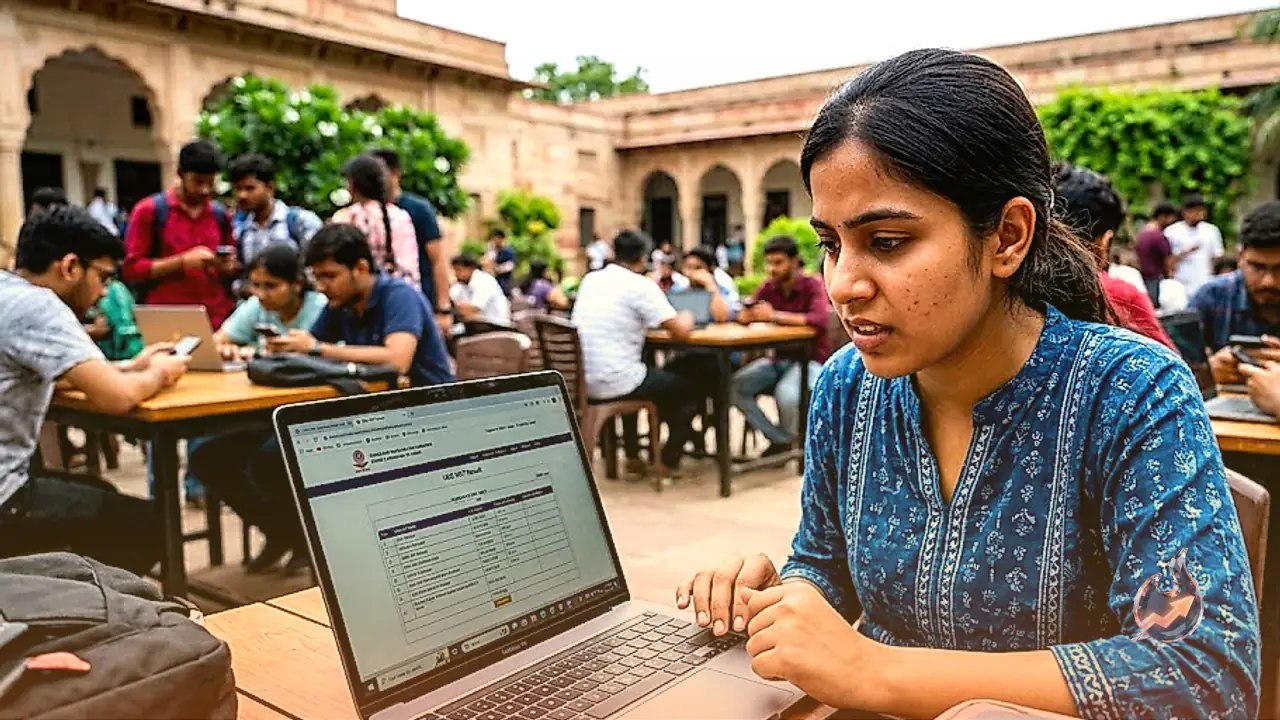






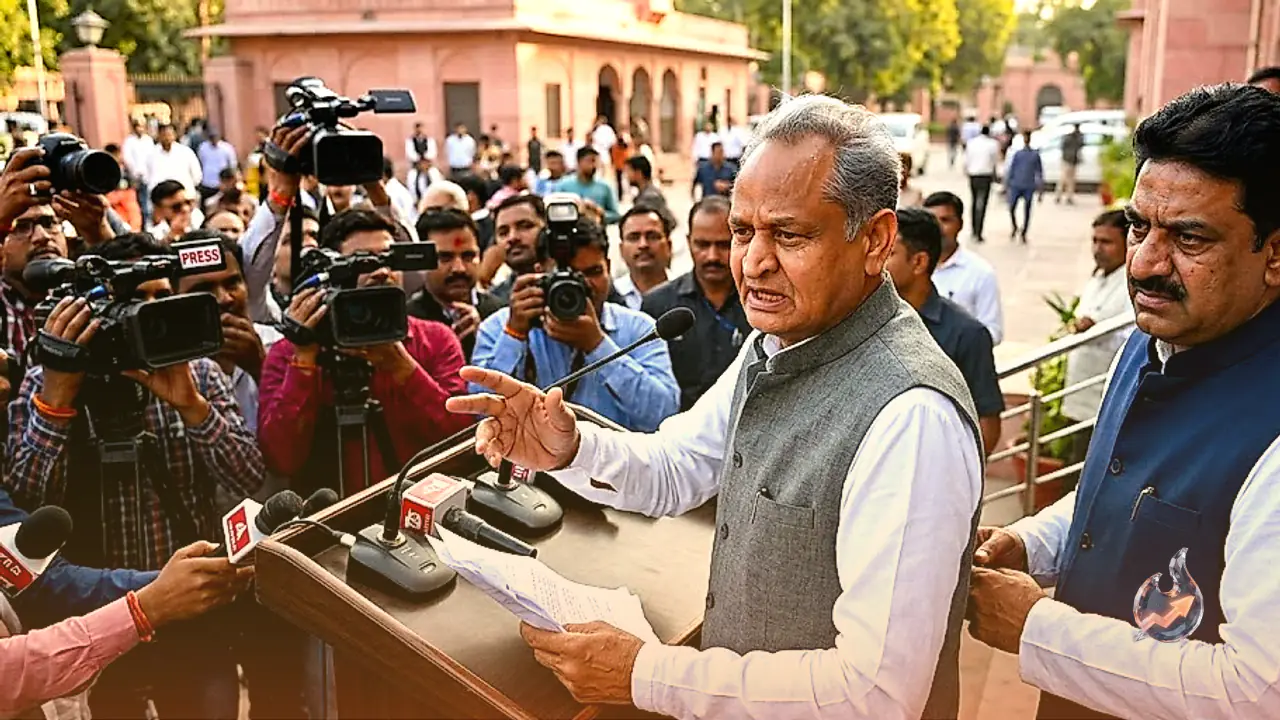


















In a major relief for millions of school children and their families across the nation, the Supreme Court has raised serious questions over the policy mandating three languages, including two Indian languages, for Class 6 students. A bench comprising Chief Justice Surya Kant, Justice Joymalya Bagchi, and Justice V. Mohana advised the board to consider implementing this policy from 2027 instead of rushing into it. The court made it crystal clear that thrusting a new language suddenly upon innocent children could induce severe stress, warning the central government and the board against showing any haste in enforcing these rules. Additional Solicitor General Aishwarya Bhati stated that the board would give serious consideration to this suggestion, bringing relief to anxious parents.
Humanitarian Approach and Mental Pressure Concerns
During the proceedings, the Supreme Court adopted a deeply humanitarian stance, emphasizing that the matter is not merely a legal dispute but directly concerns the lives of young children and their families. Justice Joymalya Bagchi made a strong observation that forcing a new language overnight onto Class 6 students is completely unjustified. The board must realize that imposing a new syllabus overnight plunges children into deep mental pressure. The court sent a clear signal that until proper preparations are in place, children should be spared from this confusion.
Mid-Session Disruption of Foreign Languages
In numerous schools across Delhi-NCR and nationwide, students were already learning foreign languages like French and German. However, schools abruptly suspended these languages midway through the academic session, forcing students to opt for Sanskrit or other Indian languages without adequate preparation. This arbitrary decision triggered widespread anger among students and parents alike. Petitioners alleged that the sudden directive directly infringed upon the fundamental rights of children.
Legal Questions Over Jurisdiction and Syllabus Authority
A major legal question was also raised before the bench regarding whether the CBSE possessed the authority to alter such rules. Citing Section 29 of the Right to Education Act, petitions argued that the primary mandate for determining the syllabus rests with NCERT, and the CBSE allegedly overstepped its jurisdiction. The Supreme Court stated that it would thoroughly examine all legal and constitutional aspects of the matter, noting that the distinction between indigenous and foreign languages still requires detailed deliberation.
Prerequisites of Teachers and Textbooks
The apex court advised the CBSE to extend the same flexibility to Class 6 students that is granted to higher classes, allowing students to study three languages only if they do so willingly. Emphasizing ground realities, the court stated that the availability of qualified teachers and textbooks must be verified before rolling out any new policy. The board is expected to submit a fresh note addressing these concerns soon.