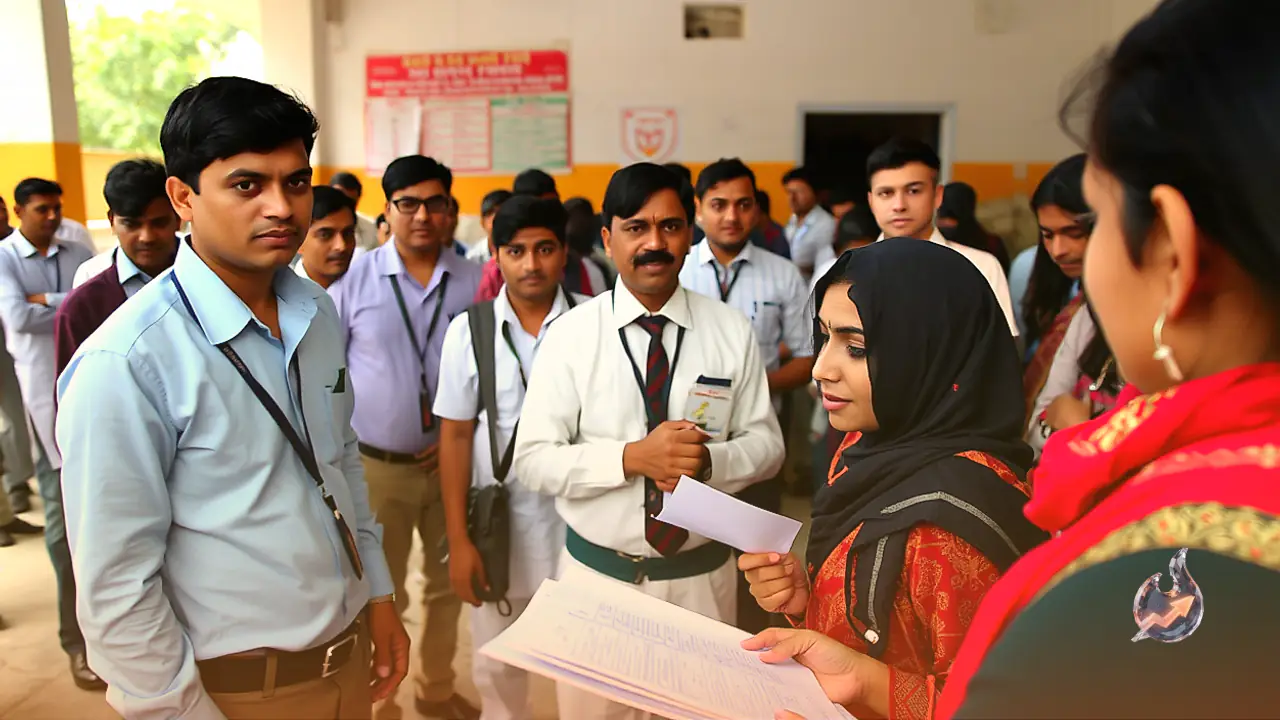
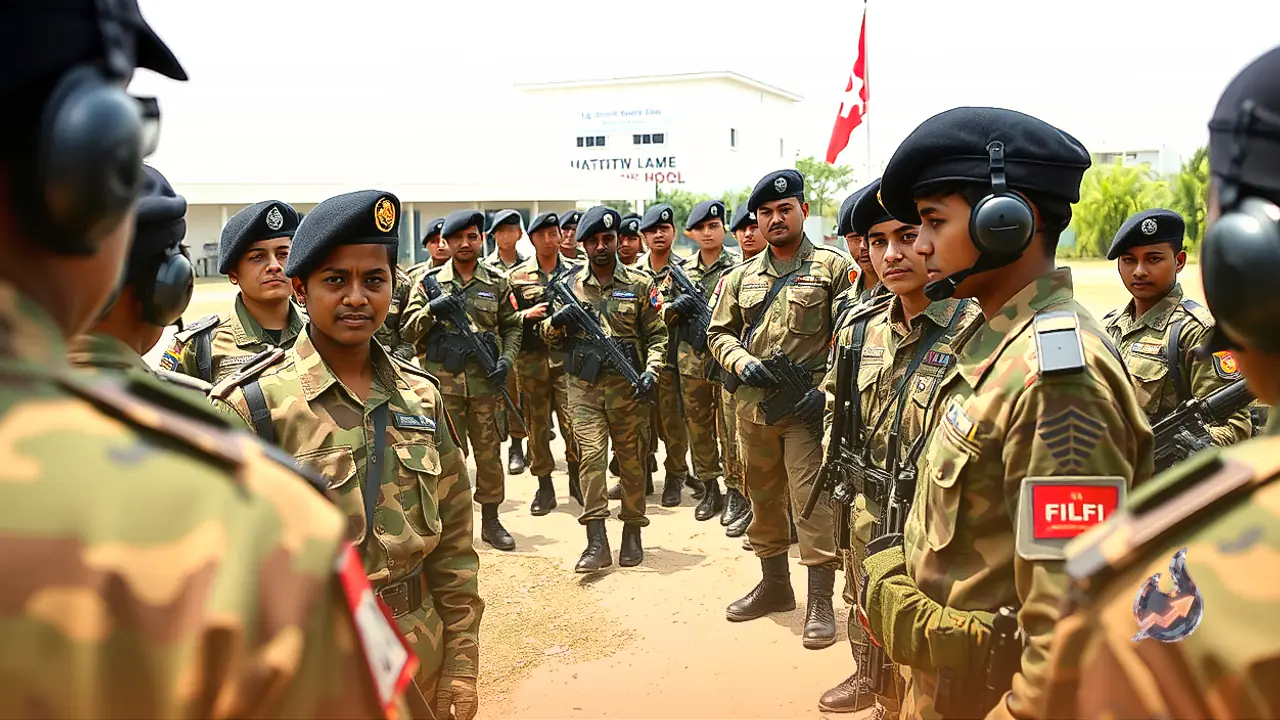



















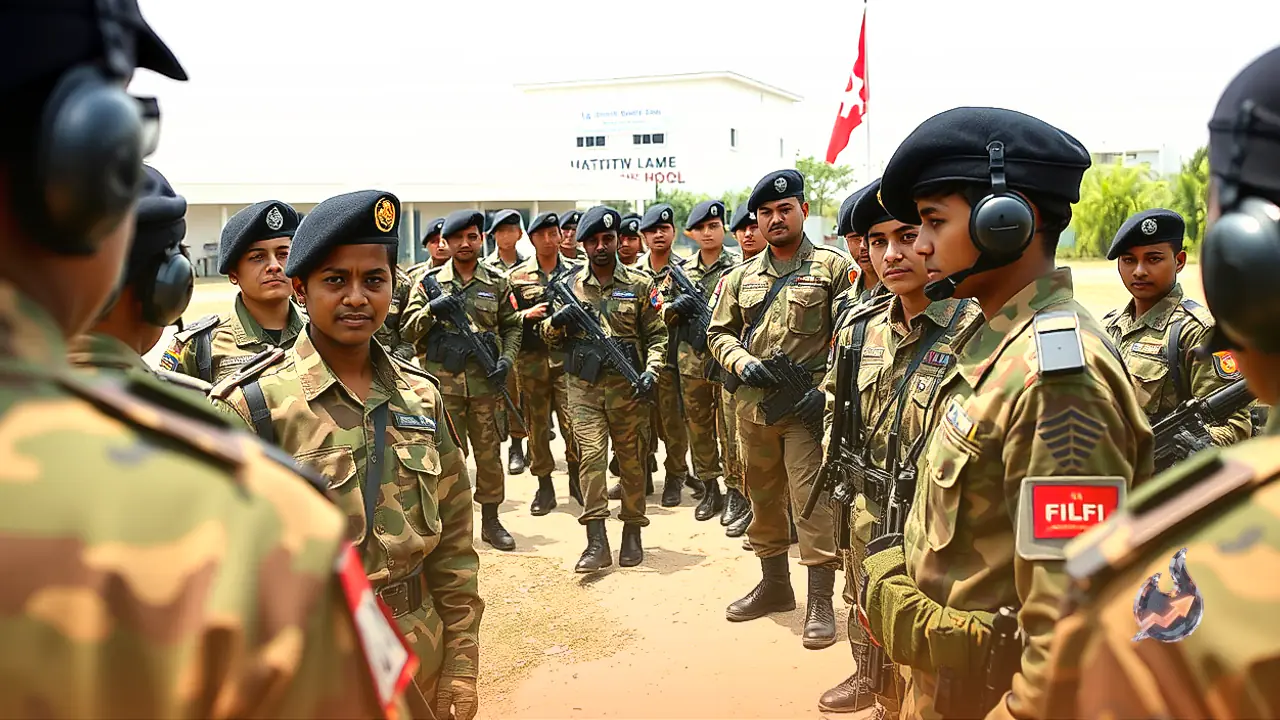

Children and their parents who dream of serving the nation often face a common dilemma regarding whether a military school or a Sainik school would prove to be a better choice. Both types of institutions place immense emphasis on discipline, academic excellence, sports, and overall personality development. Students in these schools are not merely confined to textbooks, but they are also taught how to become self-reliant, work effectively within a team, and shoulder responsibilities with dedication.
Despite having names that sound quite similar, the admission procedures, fee structures, administrative controls, and several governing rules of both school systems differ from each other. Understanding these distinctions before seeking admission is essential for every parent and student. Studying in a military school or a Sainik school does not automatically guarantee that a child will secure a job in the armed forces. These institutions provide a favorable environment to prepare for defence services, but the journey ahead entirely depends on the student's hard work, medical fitness, performance in competitive examinations, and the selection process.
Differences in Admission Process and Management
Before enrolling a child, parents must carefully examine the fundamental factors that separate military schools from Sainik schools. Securing admission to a Rashtriya Military School requires clearing the RMS Common Entrance Test, commonly known as CET. On the other hand, admissions to Sainik schools are conducted through the All India Sainik Schools Entrance Examination, abbreviated as AISSEE. Both systems typically offer admissions at the entry levels of class 6 and class 9.
To fully grasp the regulations concerning applications, age limits, examination formats, and selections, one must always check the latest official notifications. Aspirants should keep a close watch on the official website of the National Testing Agency for Sainik schools and the respective RMS notification portals for military schools. The available seats, eligibility criteria, and entry rules for both institutions are strictly determined according to their official notifications.
Breakdown of Fee Structures and Financial Expenses
When comparing the financial aspects of both types of schools, families must look beyond mere tuition fees and include the costs of hostels, meals, uniforms, textbooks, and other miscellaneous charges. The total fee of a Sainik school can vary significantly depending on the specific institution. Similarly, Rashtriya Military Schools also have varying fee structures based on the category of the cadet and applicable rules. Certain concessions may apply for the children of defence personnel and other eligible students.
As a practical advisory step, parents must thoroughly read the latest fee schedule and refund policies of the school before finalizing admission. Building a budget based on outdated websites or the fee details of a completely different school should be avoided at all costs.
Syllabus and Exam Pattern Variations
Academically, both military and Sainik schools follow the curriculum prescribed by the Central Board of Secondary Education, known as CBSE. The main distinction lies in the pattern of their respective entrance examinations. For class 6 admissions, subjects such as mathematics, language, intelligence tests, and general knowledge hold significant importance. Meanwhile, preparation for class 9 admissions also requires a strong command of mathematics, English, science, and social science.
Aspirants should never assume that the question papers, mark distributions, and subject weightages of the AISSEE and RMS CET are identical while preparing for them. The syllabus for each specific examination must be downloaded and reviewed separately.
Daily Routine and Hostel Life Structure
Both categories of schools place a high premium on residential accommodations, structured daily routines, physical activities, sports, and strict discipline. Students are compelled to develop habits of waking up on time, fulfilling personal duties, and living harmoniously in a group environment. However, the exact rules regarding hostel arrangements, uniforms, holiday schedules, and daily activities can vary depending on the specific policies of each school.
Career Scope and Future Opportunities
Students who graduate from these schools can pursue careers in the National Defence Academy, other defence entrance examinations, higher education pathways, and a wide array of government and private sectors. Fulfilling the required educational qualifications, age criteria, medical standards, and selection procedures remains mandatory down the road for joining the NDA. The mere name of the school attended does not act as an automatic guarantee for selection.
Deciding Which Institution to Choose for Admission
If the primary goal is structured residential education paired with dedicated preparation for defence services, exploring both options is worthwhile. Decisions should never be driven solely by institutional prestige or fee amounts alone. Factors such as academic performance, past examination results, hostel facilities, distance from home, and the actual interest of the child must also be evaluated. Mentally preparing the child to adapt to hostel life is equally crucial before taking the final step.