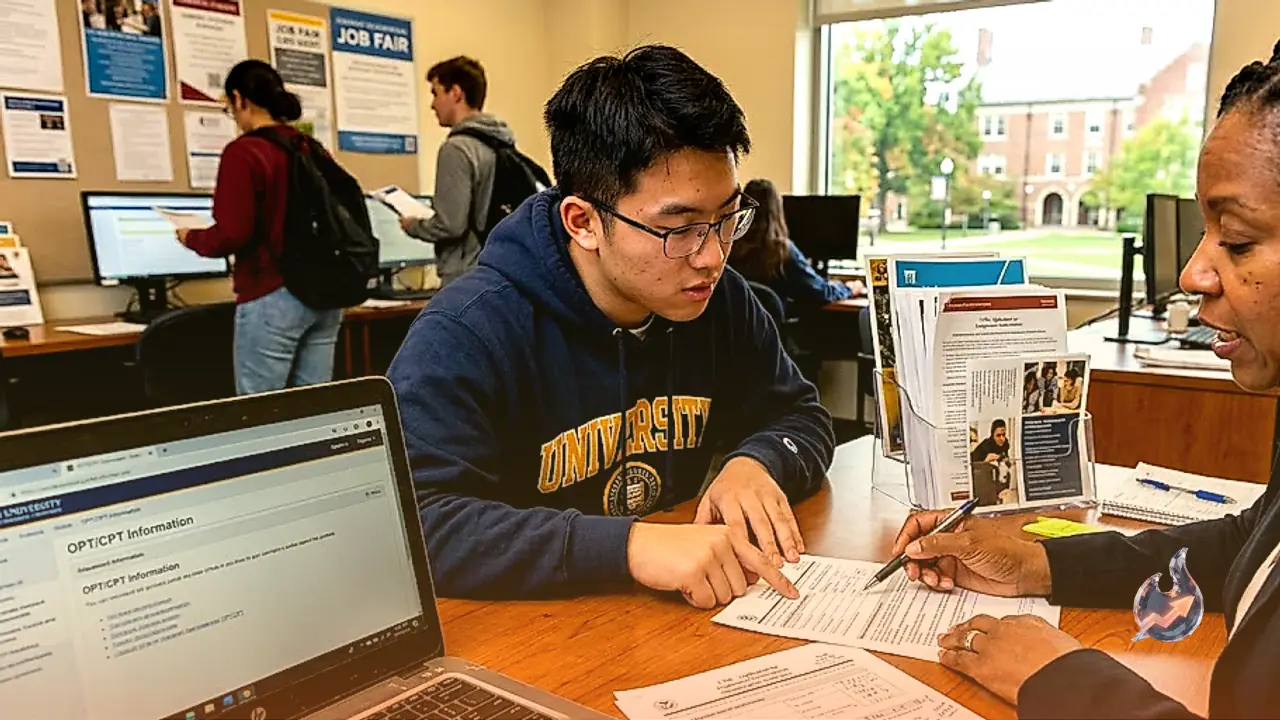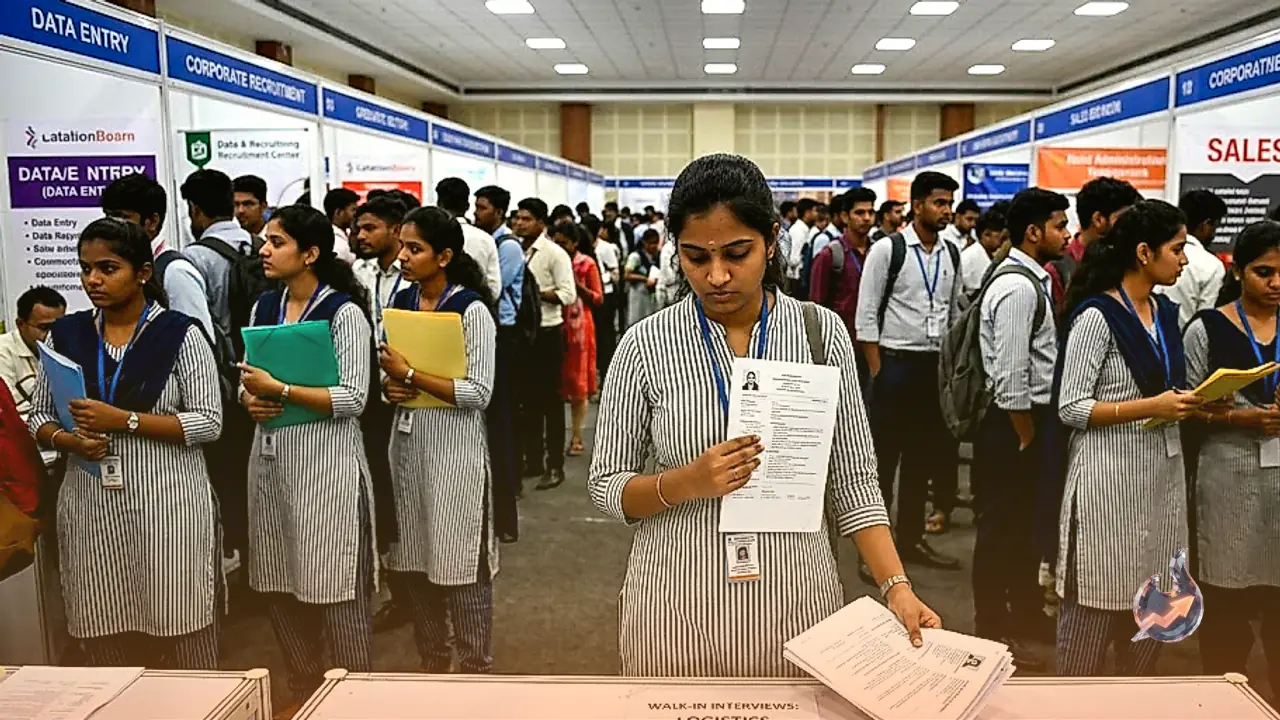

























Educational institutions across India are progressively adopting artificial intelligence technologies to modernize and expedite their examination systems. AI-driven tools are now being extensively utilized for drafting question papers, grading answer scripts, and processing final examination results. While this technological integration has dramatically enhanced administrative speed and efficiency, it has simultaneously ignited a crucial national debate. The core concern centers on whether the entire evaluation framework should be entrusted entirely to automated machinery, or if continuous human intervention remains indispensably required to protect academic integrity.
Speed Versus Judgment: Core Limitations of Technology
Addressing the operational mechanics and intrinsic limitations of technology in testing, Ankush Sabharwal, Founder and Chief Executive Officer of tech enterprise CoRover.ai, emphasized the critical need for human supervision. Sabharwal stated that while AI tools can significantly accelerate workflow execution, they can never serve as a complete substitute for human judgment and reasoning. Technology undoubtedly simplifies administrative mechanics, but human oversight remains mandatory to safeguard fairness, transparency, and standard quality across examinations. Recent instances of technical glitches and errors in question papers underscores why human quality checks are imperative in every AI-assisted testing environment.
Contextual Understanding and Student Psychology in Test Creation
One of the primary advantages of AI algorithms is their ability to generate hundreds of test questions within seconds. However, speed does not guarantee pedagogical suitability or accuracy for examinees. Questions crafted by AI may be grammatically flawless, yet they frequently turn out to be overly complex or confusing. An experienced educator understands the core objectives of a curriculum and the cognitive readiness of students at different developmental stages. Human discretion ensures that test questions evaluate actual comprehension and analytical thinking rather than unnecessarily intimidating or perplexing young learners.
Mitigating Algorithmic Bias and Structural Flaws
Artificial intelligence systems function fundamentally on historical data sets and pre-programmed algorithms. If the underlying data contains pre-existing biases or systemic inaccuracies, the AI inherently replicates and perpetuates those flaws. Allowing AI models to construct question papers without strict editorial filters can lead to biased language and slanted contextual examples. When human subject experts review these generated drafts, they promptly identify and eliminate such discrepancies. This expert oversight preserves absolute neutrality and guarantees equal opportunity for every candidate regardless of background.
Constraints of Automated Evaluation in Subjective Testing
In evaluating multiple-choice questions (MCQs), automated AI grading systems have proven remarkably efficient. However, when assessing descriptive or subjective answers, automated tools encounter severe limitations. Examinees frequently respond to complex questions using original insights, novel arguments, or distinctive linguistic phrasing. AI scoring tools typically assign marks strictly against pre-loaded response templates or rigid keyword patterns. Consequently, a student who presents a completely accurate yet uniquely structured response risks being penalized by automated software. Direct review by qualified teachers prevents such unfair outcomes and protects student merit.
The Future Framework: Synergizing AI with Human Expertise
The solution to current assessment challenges does not lie in rejecting artificial intelligence, but in adopting a balanced, smart methodology. According to industry experts, the optimal future model is not AI versus Humans, but rather an integrated AI with Humans framework. Under this collaborative model, AI handles heavy computational tasks such as initial item generation, pattern recognition, and large-scale data processing. Simultaneously, human educators re-examine test items, embed contextual nuances, and grant final approval for results. As long as this equilibrium between advanced technology and human expertise is maintained, the education system will remain both efficient and thoroughly trustworthy.