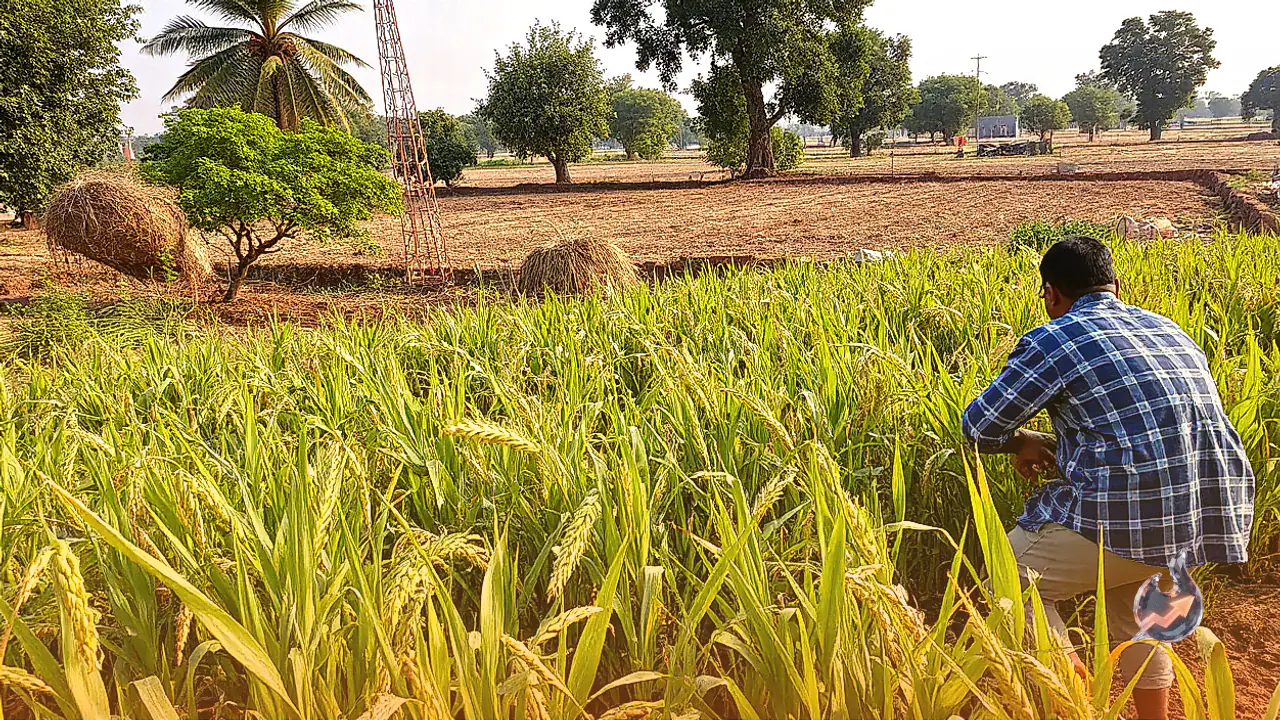

A fresh initiative is underway in Chhattisgarh to diversify agriculture and significantly enhance farmers income by introducing makhana farming alongside traditional paddy cultivation. Makhana has gained massive recognition worldwide as a superfood, leading to a steady surge in its market demand. To capitalize on this growing trend and tap into local potential, a comprehensive plan has been formulated to promote makhana production across the state. As part of this drive, a two-day national makhana workshop was organized at Indira Gandhi Krishi Vishwavidyalaya (IGKV) in Raipur, bringing together prominent agricultural scientists and subject-matter experts from across the country.
Scientific Research and Favorable Climate
According to Dr. Gajendra Chandrakar, a scientist at Indira Gandhi Krishi Vishwavidyalaya, the soil and climatic conditions of Chhattisgarh are exceptionally suited for cultivating makhana. Commercial farming of the crop has been actively practiced in the state for the past 6 years. Furthermore, continuous research on makhana cultivation has been underway for the last 10 years at the Krishi Vigyan Kendra located in Dhamtari. These extensive studies clearly indicate that the state holds immense potential for high-volume makhana production.
Optimal Utilization of Ponds and Water Bodies
Chhattisgarh is widely known as a state of ponds, with over 100 water bodies available in key regions such as Arang and Ratanpur alone. Experts have strongly suggested that ponds and small water reservoirs where paddy farming is either unfeasible or unprofitable should be utilized for cultivating makhana. This approach is expected to lead to a direct and substantial increase in the financial returns of local farmers.
Inter-Departmental Coordination and Expert Guidance
Dr. Chandrakar emphasized that expanding the scope of makhana farming requires close collaboration between the agriculture department, fisheries department, and other allied sectors. Since farmers are currently receiving good prices for their paddy crops, the initial phase of makhana promotion will specifically target farmers who own ponds and local water bodies.
Insights from Bihar Leading Producers
Given that Bihar single-handedly accounts for approximately 90 percent of the total global production of makhana, experts from Bihar, Darbhanga, and Ludhiana were specifically invited to the workshop. These visiting specialists trained local farmers on advanced cultivation techniques, ways to maximize yield, and practical methods to lower overall production costs.