




















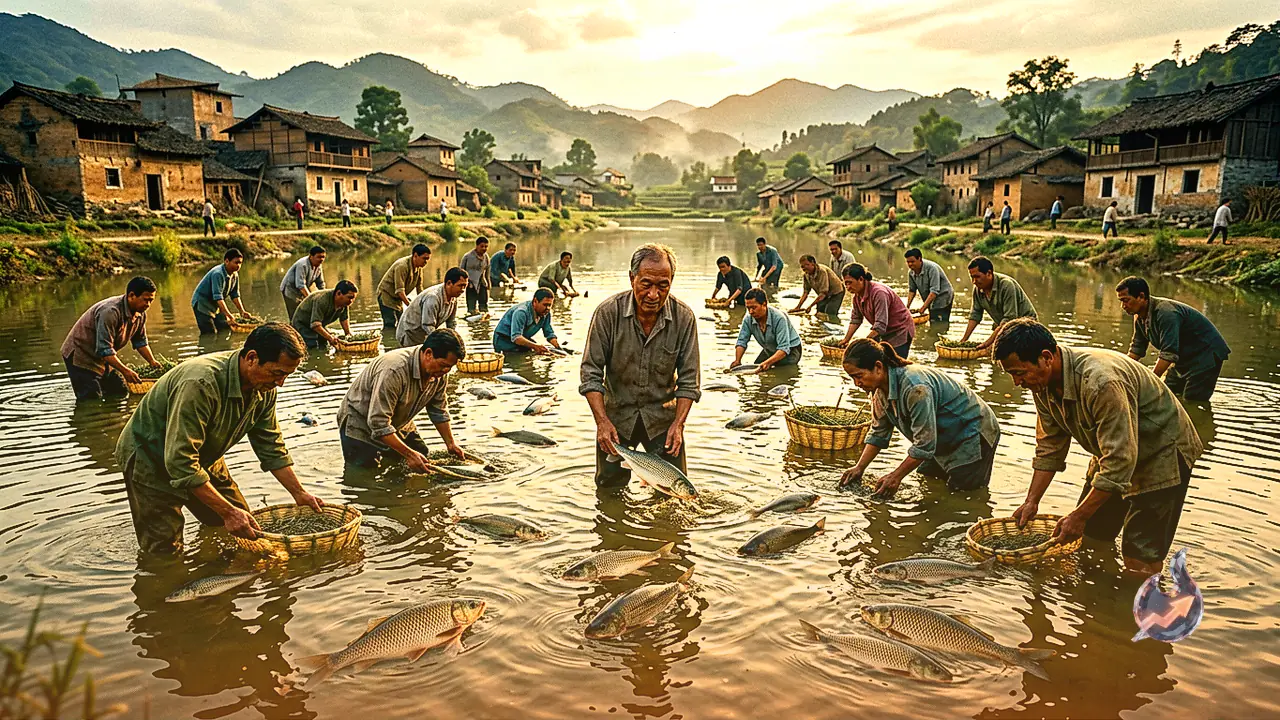

In an effort to strengthen rural livelihoods in Surguja district of Chhattisgarh, local administration is focusing on leveraging constructed water bodies for multi-purpose economic activities. Across 28 gram panchayats, water structures originally created for conservation are now being transformed into active centers for aquaculture. Under this initiative, 35 Ajeevika Dabris and 2 Nava Tariyas have been stocked with approximately 1 lakh fingerling fish seeds. The fundamental objective is to move beyond conventional water harvesting and convert local water bodies into sustainable sources of employment and income generation for rural households.
Distribution Event at Darima Farm and Subsidy Framework
A special distribution program was conducted at the Government Fish Seed Farm located in Darima under the Ambikapur block. During the event, 50 selected beneficiaries representing 45 different villages received fingerling fish seeds. Under the fingerling fish seed stocking scheme, the government provided these fish seeds at a 50 percent subsidy. This financial concession is designed to reduce the initial capital investment required by small-scale farmers, encouraging broader community participation in fish farming. The beneficiaries will populate their assigned 35 Ajeevika Dabris and 2 Nava Tariyas with these seeds, laying the groundwork for substantial fish production and supplemental household revenue in the coming harvest cycles.
Integration with the VB-G Ram G Scheme
The water infrastructure utilized in this campaign, comprising Ajeevika Dabris and Nava Tariyas, was developed through the VB-G Ram G scheme. The initiative aligns these water bodies directly with local livelihood requirements, ensuring that water conservation efforts yield immediate economic returns. By establishing commercial fish farming right within their native villages, rural residents gain access to dependable economic opportunities without having to migrate for work. This dual approach maximizes the utility of existing water resources while strengthening the overall economic resilience of rural communities.
Technical Support and Best Practices by the Fisheries Department
To ensure long-term viability and maximum productivity, the Fisheries Department is supplying comprehensive technical guidance to all participating beneficiaries. Beyond distributing subsidized fish seeds, experts from the department are providing hands-on training regarding proper stocking techniques, pond maintenance, fish health care, feed management, and harvesting strategies. Beneficiaries are being encouraged to adopt modern and scientific aquaculture practices so that each water structure reaches its optimal production capacity, turning traditional water bodies into profitable assets.