


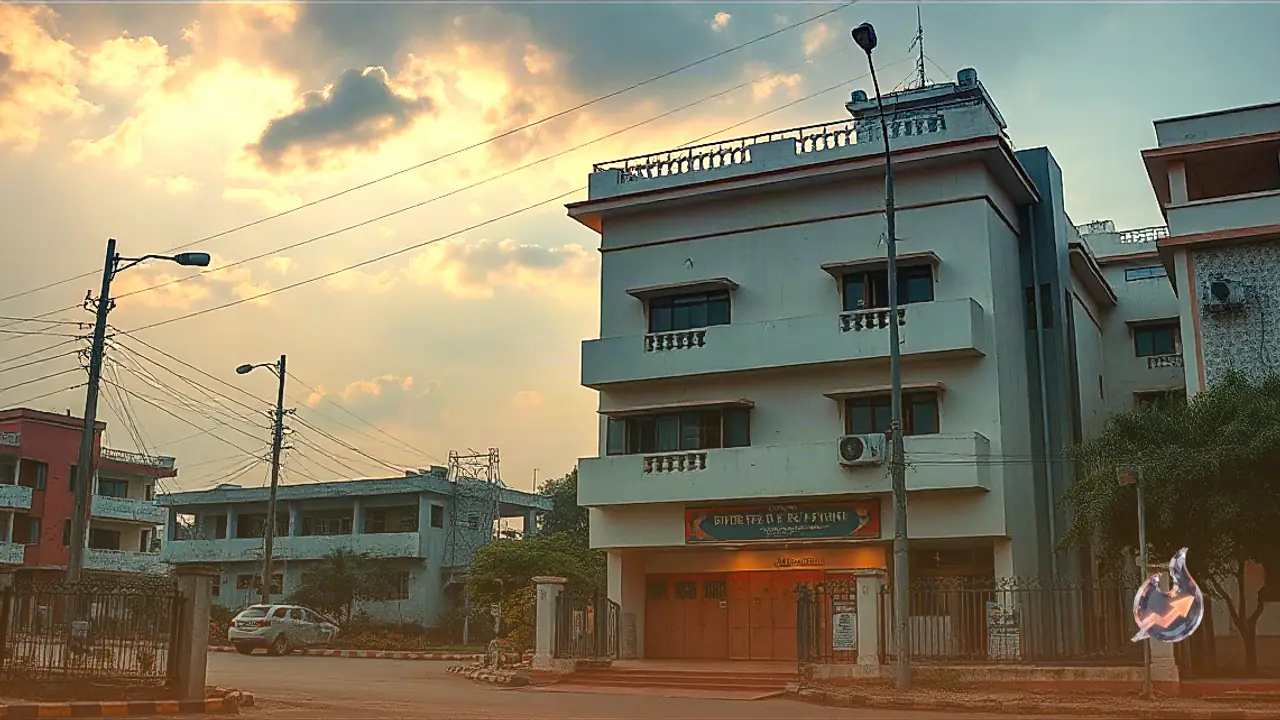


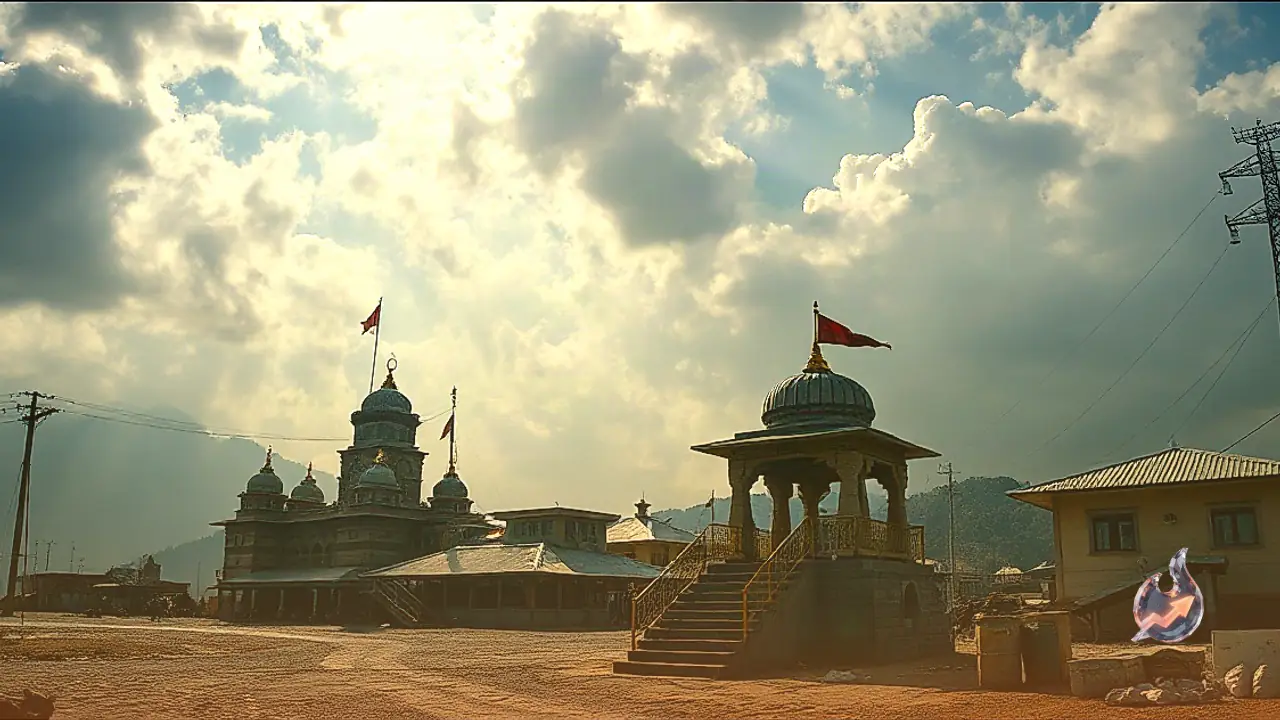














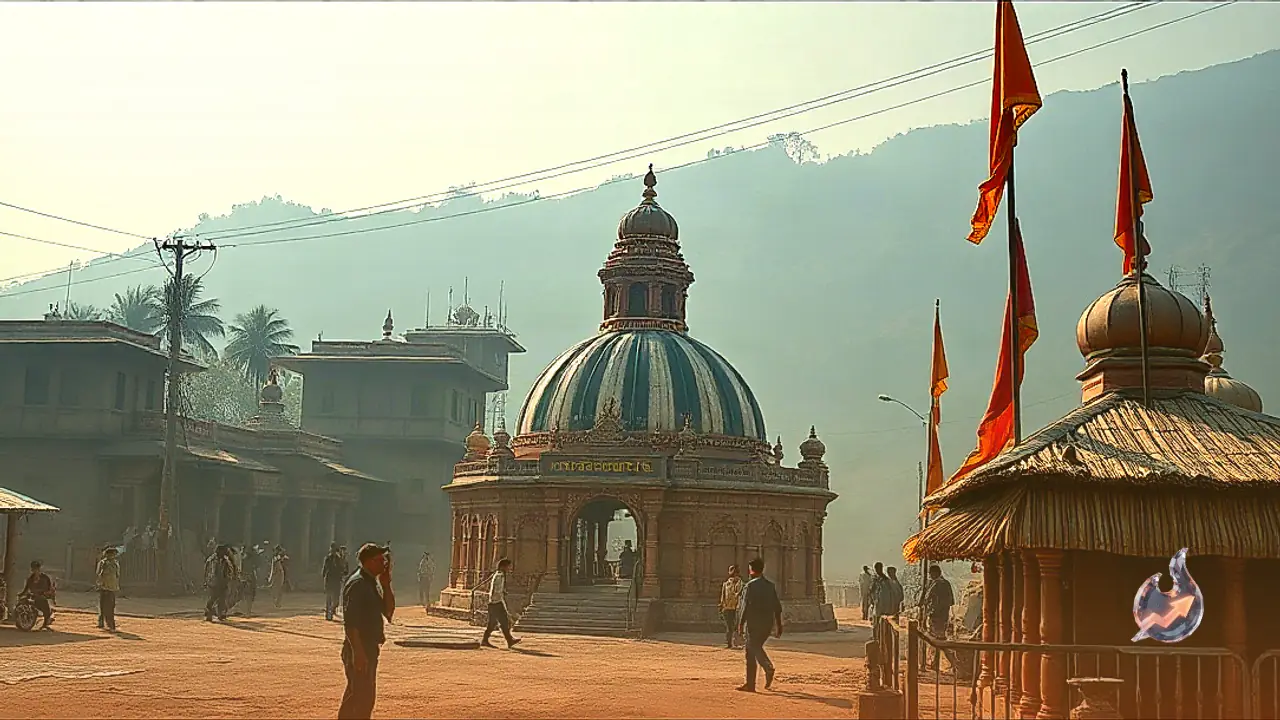

The tribal community of Kondagaon district in Chhattisgarh's Bastar region has long maintained a profound faith in their local deities. Villagers traditionally approach these divine beings with every minor grievance, illness, or personal vow. However, when prayers go unanswered or hardships persist, the region's cultural tradition provides a unique mechanism for accountability. Every year during the month of Bhado, locals observe an unusual event known as the Bhado or Bhadom Jatra, where villagers carry their household and village deities together into the court of divine justice.
Deities put in the Dock: The Process of Ravangi and Temporary Custody
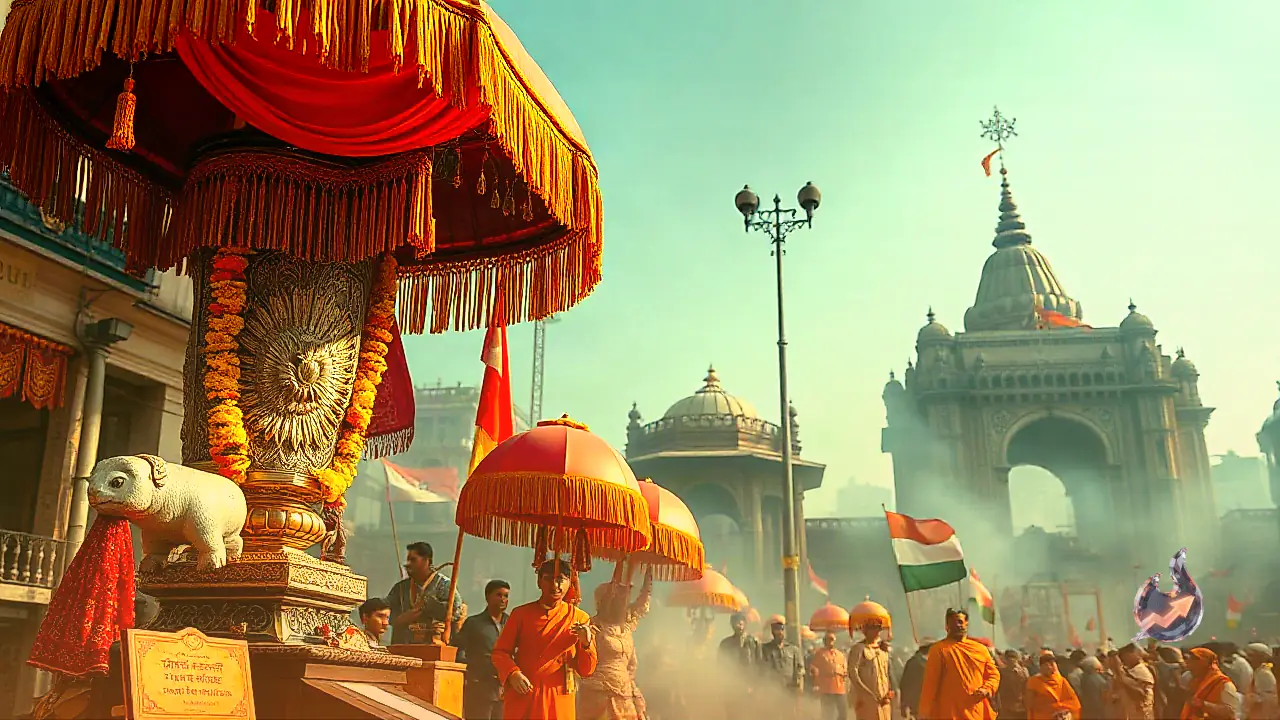
During the Bhadom Jatra, aggrieved villagers transport their local deities outside the boundaries of their respective villages to the court of Bhangaram Mai. The ritualistic departure of deities from their home villages is locally referred to as 'Ravangi'. Upon completing this journey, villagers place the holy symbols representing their deities right in front of the main temple complex. This temporary setup functions essentially as an open-air detention facility. According to Ishwar Korram, president of the managing committee, deities are placed on temporary remand at this designated spot prior to any formal sentencing.
A Divine Supreme Court: Ishwar Korram on Trial and Remand
Locals regard the court of Bhangaram Mai as equivalent to a Supreme Court for their deities. The proceedings go beyond mere preliminary hearings, leading to binding verdicts and explicit punishments. Deities found negligent in fulfilling their duties toward the villagers are formally sentenced and confined to an open jail constructed near the temple complex. Ishwar Korram explains that when community problems remain unresolved despite prayers, questioning naturally follows, bringing even the divine forces under scrutiny and structured trial.
Annual Audits and Dream Visions: Historian Ghanshyam Nag's Account
Historian Ghanshyam Nag details the deep-rooted tradition, emphasizing that local deities must withstand rigorous judicial scrutiny during this annual event. Deities are required to present a comprehensive audit of their performance and actions over the past year, addressing every complaint raised by the villagers. If found guilty of neglecting their duties, they must serve their prescribed sentence in captivity. Nag adds that after serving punishment, the deities appear in the dreams of their followers, communicating instructions that pave the way for their formal release and reinstatement to their original shrines.
From Nagpur Doctor to 'Doctor Dev': The Historical Healer Legend
Beyond administering justice and penalizing deities, Bhangaram Mai's court serves as a traditional center for healing illnesses. Historian Ghanshyam Nag shared the legend explaining how medical healing became part of this sacred space. In historic times, a devastating cholera epidemic swept across the entire Bastar region, causing widespread fatalities. Responding to the crisis, the administration dispatched a medical doctor from Nagpur to combat the outbreak.
The doctor worked tirelessly around the clock and successfully eradicated cholera from the entire Bastar region. Tragically, while returning after accomplishing his mission, the doctor lost his life in an accident in the mountain valley. According to Nag, Bhangaram Mai recognized the doctor's extraordinary service and divine spirit, incorporating his soul into her official assembly of deities. He was assigned the solemn duty of controlling any future outbreaks of cholera or infectious diseases across all 9 parganas of Bastar.
In an era when modern hospitals and formal healthcare facilities were virtually non-existent in rural areas, villagers facing contagious diseases brought the sick to this 'Doctor Dev' for ritualistic protection and spiritual intervention. Faith remains strong that Doctor Dev cures illnesses, blending medical legacy with spiritual devotion in Bastar's cultural tapestry.


