
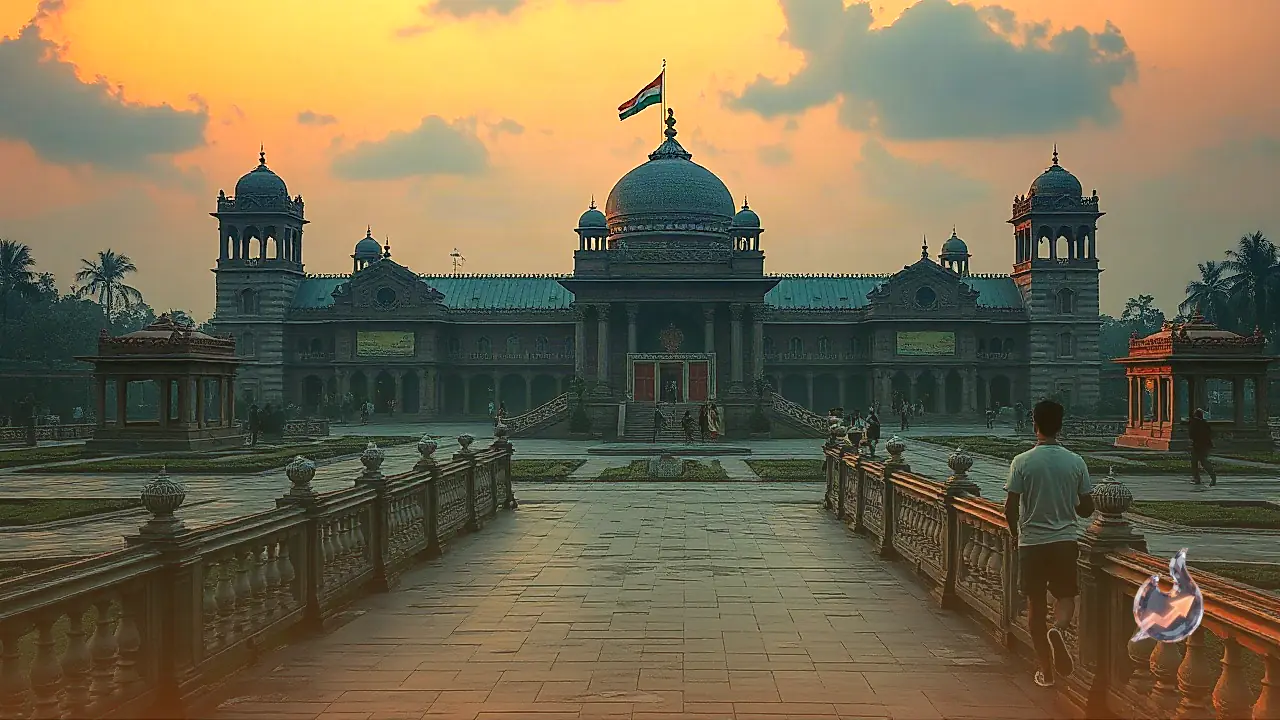
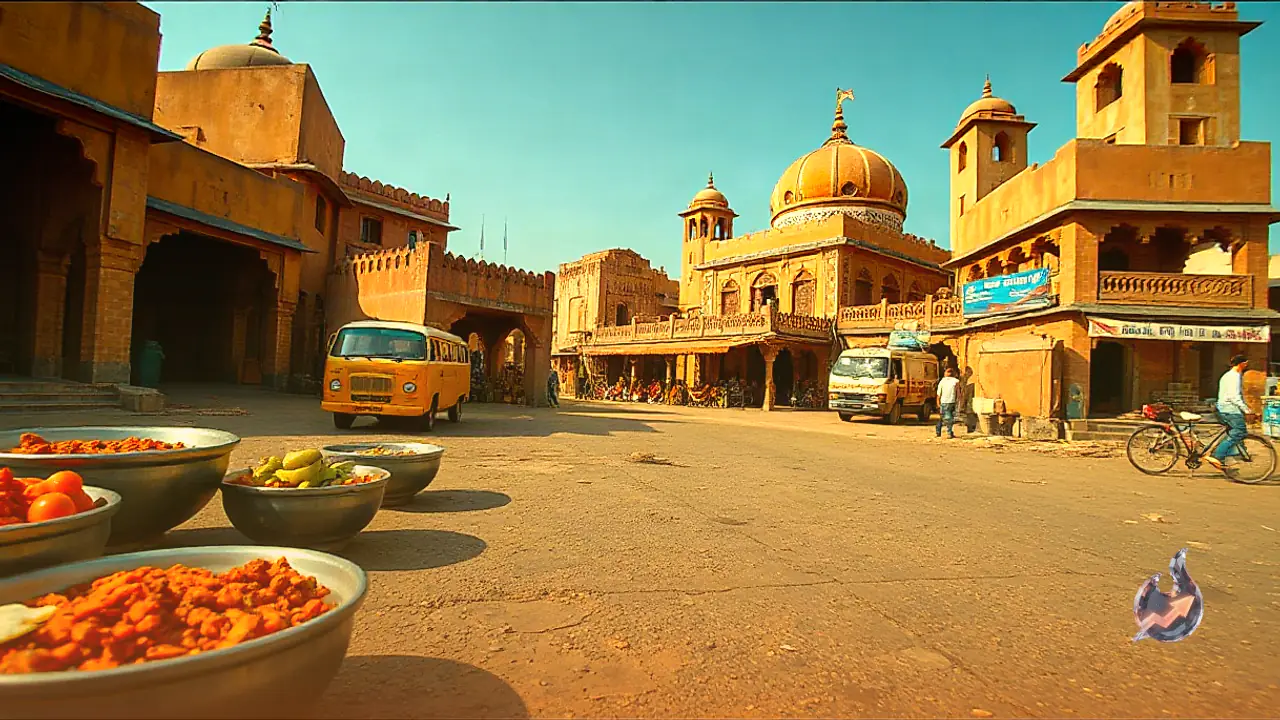
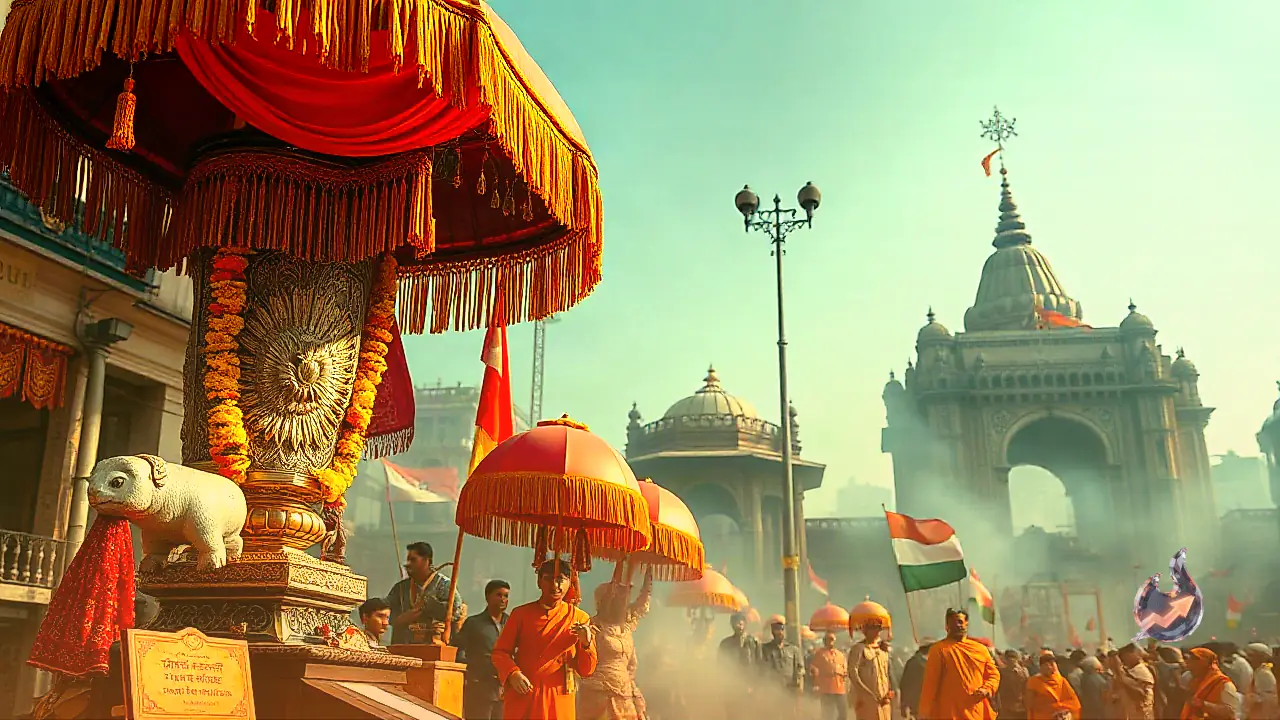
















Ganesh Utsav stands among the most vibrant and widely celebrated festivals in the Hindu calendar. Observed annually starting on the Chaturthi tithi of Shukla Paksha during the month of Bhadrapada, the festival unfolds over ten days filled with immense religious fervour. Today, magnificent pandals, elaborate processions, and grand celebrations define the landscape across India. Yet, beneath this nationwide spectacle lies a fascinating transition. What was once an intimate domestic prayer conducted strictly behind closed doors eventually evolved into a powerful instrument of social consolidation and patriotic resurgence during India's struggle for independence.
Mythological Origins Rooted in the Divine Lore
Traditional lore associates Ganesh Chaturthi directly with the appearance day of Lord Ganesha. According to ancient narratives, Goddess Parvati fashioned a young boy from the cleansing paste prepared for her bath and infused life into the figurine. She entrusted him with the solemn duty of guarding the entrance to her dwelling. When Lord Shiva arrived and sought entry, the devoted guardian refused to let him pass, remaining faithful to his mother's command. The confrontation angered Lord Shiva, leading him to sever the young boy's head.
Goddess Parvati was deeply grief-stricken upon witnessing the tragic fate of her creation. To console her, Lord Shiva placed the head of an elephant upon the boy's body, bringing him back to life. Alongside this resurrection, Lord Shiva conferred upon him the unique boon of being the first deity worshipped prior to the commencement of any sacred endeavour. Tradition holds that this transformative divine event laid the groundwork for celebrating Ganesh Chaturthi year after year during the sacred Bhadrapada month.
Centuries of Domestic and Temple-Centred Observance
For centuries, the observance of Ganesh Utsav remained largely restricted to private residences and local shrines. Across Maharashtra and surrounding territories, generations observed the festival as a quiet family tradition. Households brought small idols of Lord Ganesha into their personal prayer rooms, performed prescribed rituals, sang hymns, and hosted immediate relatives. There were no public stages, collective gatherings, or street processions involved. The festival served solely as an inward, individual devotional practice passed down through family lineages without community-wide mobilization.
The Turning Point Led by Bal Gangadhar Tilak in 1893
The transformation of this quiet observance into an open public carnival was pioneered by freedom fighter Lokmanya Bal Gangadhar Tilak. In the year 1893, he took the decisive step of organizing large-scale public celebrations of the festival. At the time, India was governed by British colonial authorities who viewed Indian gatherings with deep suspicion. The colonial administration had enforced strict bans and curbs on public assemblies to prevent political mobilization and organized resistance against the empire.
Lokmanya Bal Gangadhar Tilak recognized that the colonial rulers were wary of intervening directly in indigenous religious practices. He foresaw that channelled through a shared spiritual celebration, ordinary people could gather openly in significant numbers without inviting immediate government clampdowns. By bringing the deity into public arenas, Tilak created a platform where religious devotion and anti-colonial solidarity could merge seamlessly.
Key National Objectives Behind Community Celebrations
Taking Ganesh Utsav to public streets served several vital socio-political aims designed to challenge the foreign regime
- Fostering National Unity: Cultivating a deep sense of shared patriotism and mutual brotherhood across diverse regions.
- Bridging Social Divides: Creating an egalitarian space where people from all communities and strata could assemble on equal footing.
- Mobilizing the Freedom Movement: Using festive gatherings to awaken public consciousness regarding rights and colonial exploitation.
- Revitalizing Cultural Heritage: Strengthening indigenous cultural traditions and philosophical roots against foreign influence.
- Counters to Colonial Divide-and-Rule: Providing a unified collective front to resist the divisive policies actively pursued by the British administration.
Cultural Stages Becoming Platforms for Social Awakening
With the establishment of public celebrations, festival marquees evolved far beyond basic worship spaces. Across the ten festive days, organizers arranged devotional singing, theatrical plays, traditional musical recitals, intellectual discourses, and public meetings within the pandals. These cultural expressions helped foster political literacy and patriotic zeal among the masses, transforming everyday citizens into active participants in the freedom struggle.
In the contemporary era, Ganesh Utsav remains a hallmark of cultural unity and community solidarity. Across India, grand marquees are erected, elaborate rituals are conducted, and devotees immerse themselves in festive traditions. The celebrations conclude on Anant Chaturdashi with immersion processions, where devotees bid farewell to Lord Ganesha while offering prayers for his return in the following year.


