























Rekha Sahu, a resident of Bastar, is setting a remarkable benchmark for self-reliance by turning away from chemical-heavy farming and embracing organic agriculture. At a time when modern farming often relies heavily on synthetic fertilizers and pesticides, she has charted a sustainable path that consistently generates a steady income every single week. Her inspiring journey demonstrates how dedication, smart planning, and local resources can completely alter a person's financial landscape.
Cultivating Organic Vegetables and Crops
Operating on a ten-decimal plot of land, Rekha Sahu grows chemical-free vegetables using entirely natural methods. Her farm yields fresh produce such as ridge gourd, yardlong beans, and bitter gourd, which are in steady demand. Through the sale of these organic vegetables alone, she earns between 3,000 and 4,000 rupees every week. In addition to seasonal vegetables, she has also cultivated staple crops like paddy and maize, successfully diversifying her agricultural output.
Utilizing High-Tech Mulching Techniques
To maximize her farm output and efficiency, Rekha Sahu implements advanced high-tech mulching methods. The process begins with tilling the soil twice before forming structured beds. Plastic mulching sheets are then laid across the beds, and precise holes are punched into them for transplanting seedlings prepared beforehand in a nursery. Soil enrichment is achieved entirely through organic compost and cow dung manure, avoiding all artificial chemicals. These crops typically begin yielding produce in approximately two and a half months.
Boosting Income Through Poultry Brooding
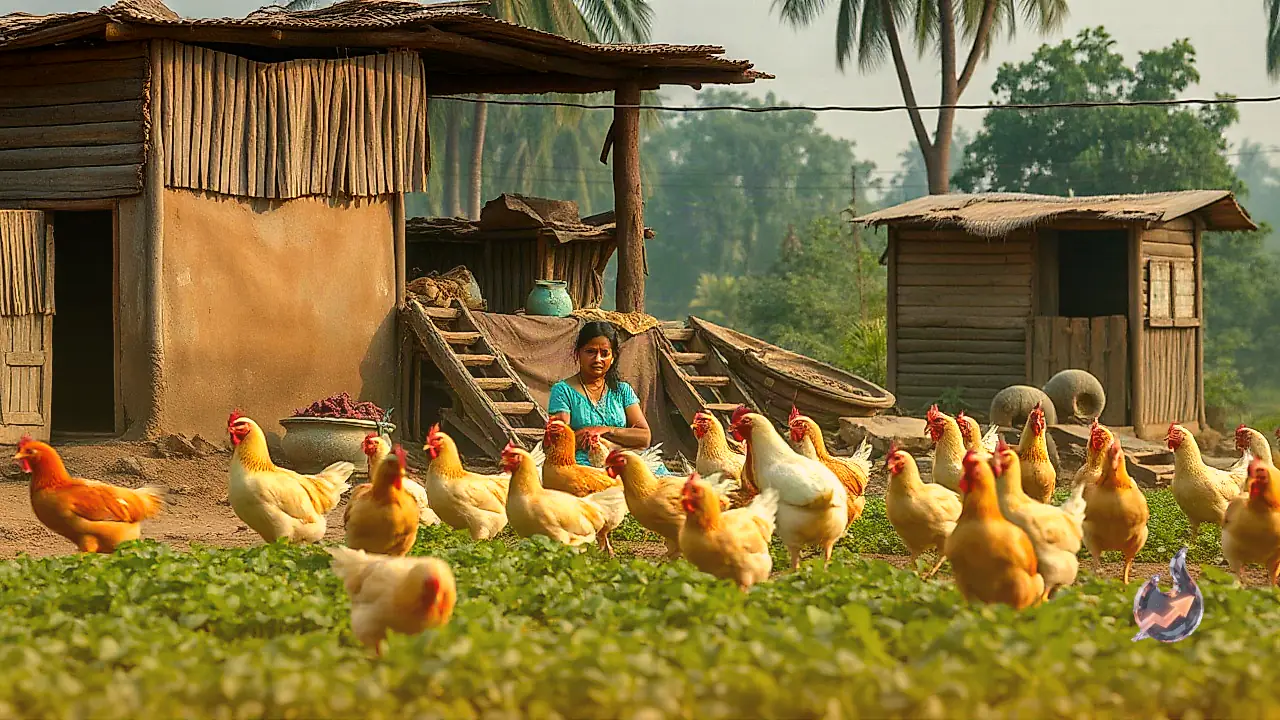
Complementing her agricultural ventures, Rekha Sahu has ventured into poultry brooding to secure multiple streams of revenue. To fund this secondary enterprise, she secured a loan of 25,000 rupees through a self-help group. This poultry initiative alone brings her an additional monthly income of 10,000 rupees. Combined with her vegetable cultivation and brooding activities, she has accumulated earnings totaling 30,000 rupees, significantly bolstering her household finances.
Financial Support and Training
The foundation of her entrepreneurial journey began when she took a 30,000 rupee loan from a self-help group to launch her farming business. Furthermore, she received formal training and guidance regarding modern agricultural practices, which equipped her with the technical knowledge needed to succeed. Her ongoing initiative stands as a shining example of sustainable farming amid the dominance of chemical agriculture, proving that financial independence is achievable through grassroots effort and proper support.