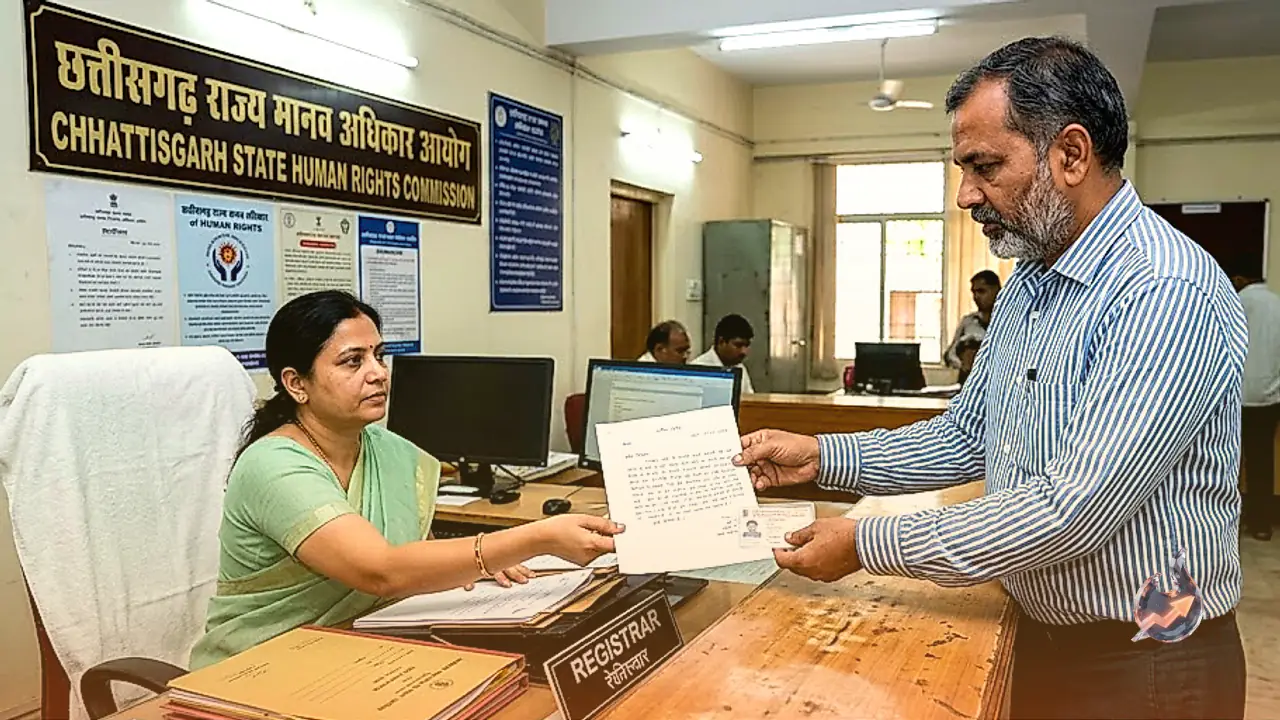

























Judicial authorities have taken a stern stance against commercial centers and shopping complexes that extract arbitrary parking charges from visiting consumers. In a notable ruling originating from Chhattisgarh's capital, Raipur, a prominent shopping mall faced legal consequences after demanding parking payments from people visiting the premises. The State Consumer Disputes Redressal Commission made it unequivocally clear that commercial establishments already collecting upkeep and facility maintenance charges from their tenants cannot shift extra parking costs onto patrons or floor staff. The adjudicating panel classified this ongoing practice as both an unfair trade practice and a direct deficiency in service.
The Dispute at the Saddu Commercial Complex
The controversy emerged at a major shopping mall situated in Raipur's Saddu locality, where management routinely collected vehicular parking fees from visiting shoppers. Challenging this unilateral levy, an aggrieved consumer initiated legal proceedings before the District Consumer Forum. Following a careful evaluation of the evidence, the district forum ruled decisively in favour of the consumer, instructing the mall authorities to cease parking fee collections immediately and establish an entirely complimentary parking framework for customers.
Resisting the local forum's ruling, the mall operators escalated the matter by filing an appeal before the State Consumer Disputes Redressal Commission. The higher judicial body, however, found no merit in the management's arguments. A bench comprising Commission President Justice Gautam Chourdiya and Member Pramod Kumar Verma delivered its judgment on September 24, dismissing the mall's appeal and sustaining the district authority's original directive in its entirety.
Double Charges for Maintenance and Basic Amenities Rejected
In its comprehensive evaluation, the Commission highlighted that commercial mall operators already collect extensive maintenance charges from on-site shop owners to support central air conditioning, round-the-clock power, premises security, and mechanical escalators. Because tenant fees already subsidise these foundational operations, attempting to levy a separate parking surcharge on visiting patrons or on-site workers constitutes a blatant deficiency of service.
The regulatory scrutiny revealed further operational irregularities, notably the unilateral deduction of parking amounts through vehicular FASTag readers without verified authorization. Investigators also observed that the operators had failed to display informational signage regarding a mandatory 10-minute free parking or pick-up and drop-off window at the premises, leaving commuters uninformed while compelling automatic payments.
Strict Deadline to Settle Consumer Damages
Taking notice of the mental anguish and avoidable litigation thrust upon the consumer, the Commission mandated that the mall management pay a cumulative sum of Rs 55,000 to the applicant. The financial penalty encompasses Rs 50,000 as compensation for mental harassment alongside an additional Rs 5,000 earmarked to cover legal expenses incurred during the fight.
The judicial bench established a strict 45-day window for the settlement of these dues. The directive stipulates that should the administration fail to deliver the entire recompense within this timeline, an annual interest penalty of 7 percent will apply on the balance, calculated retroactively from the judgment date. This landmark ruling sets a clear consumer-first precedent for commercial complexes, emphasizing that standard access infrastructure must be provided without secondary extraction.