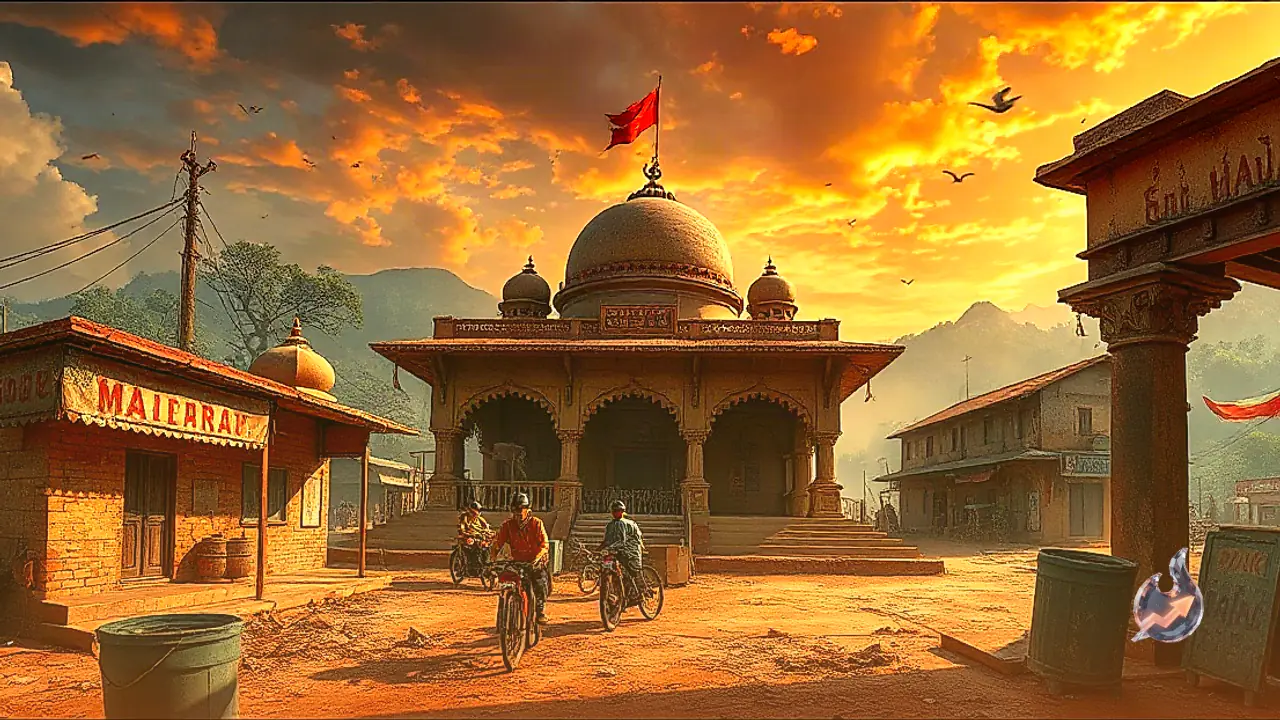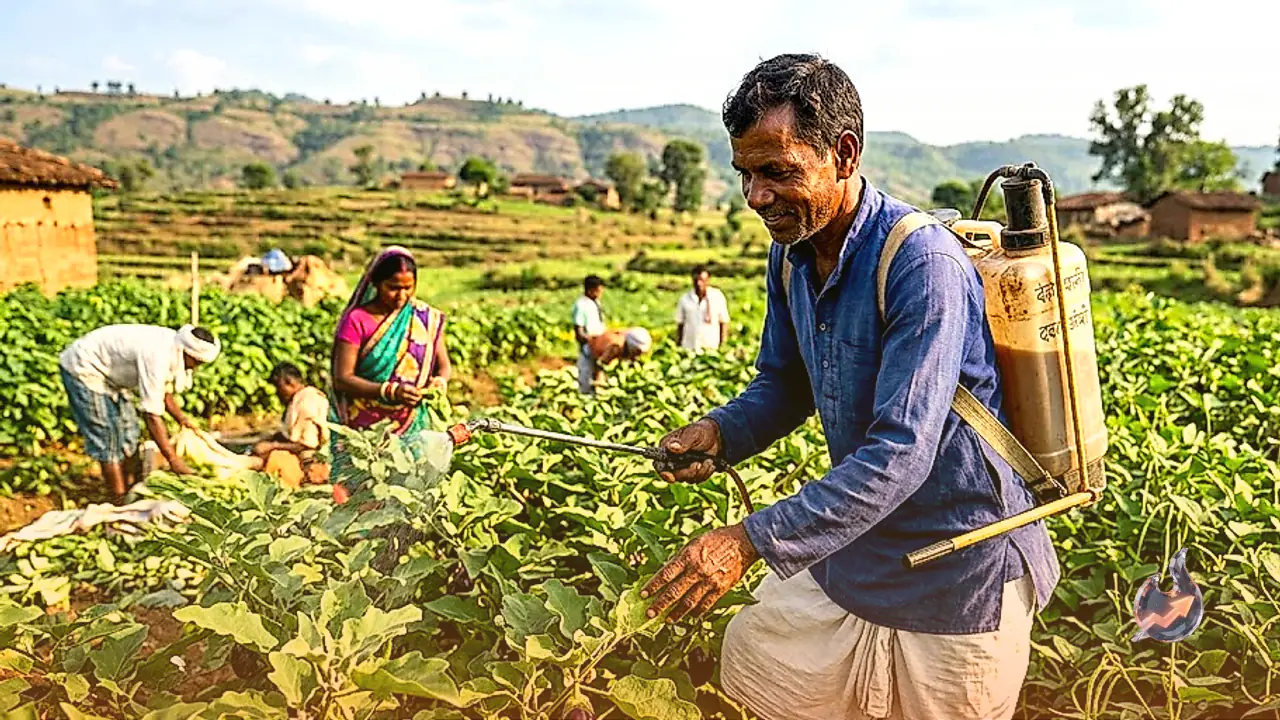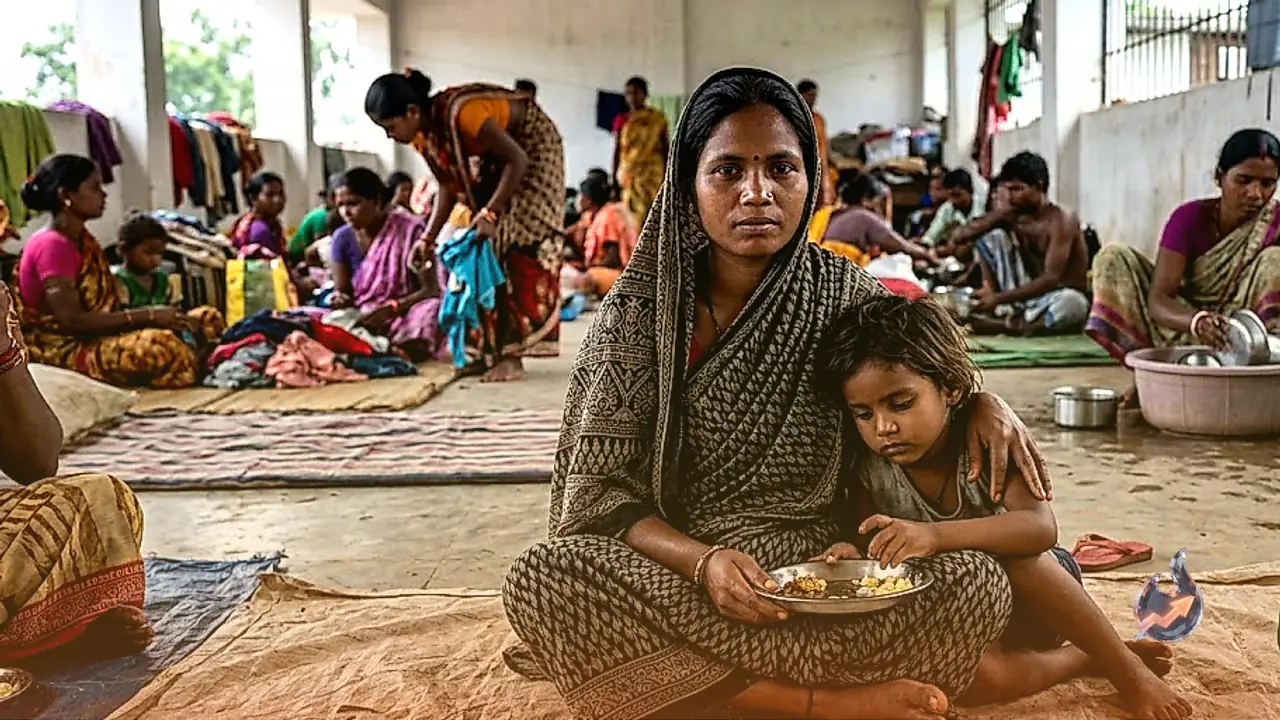



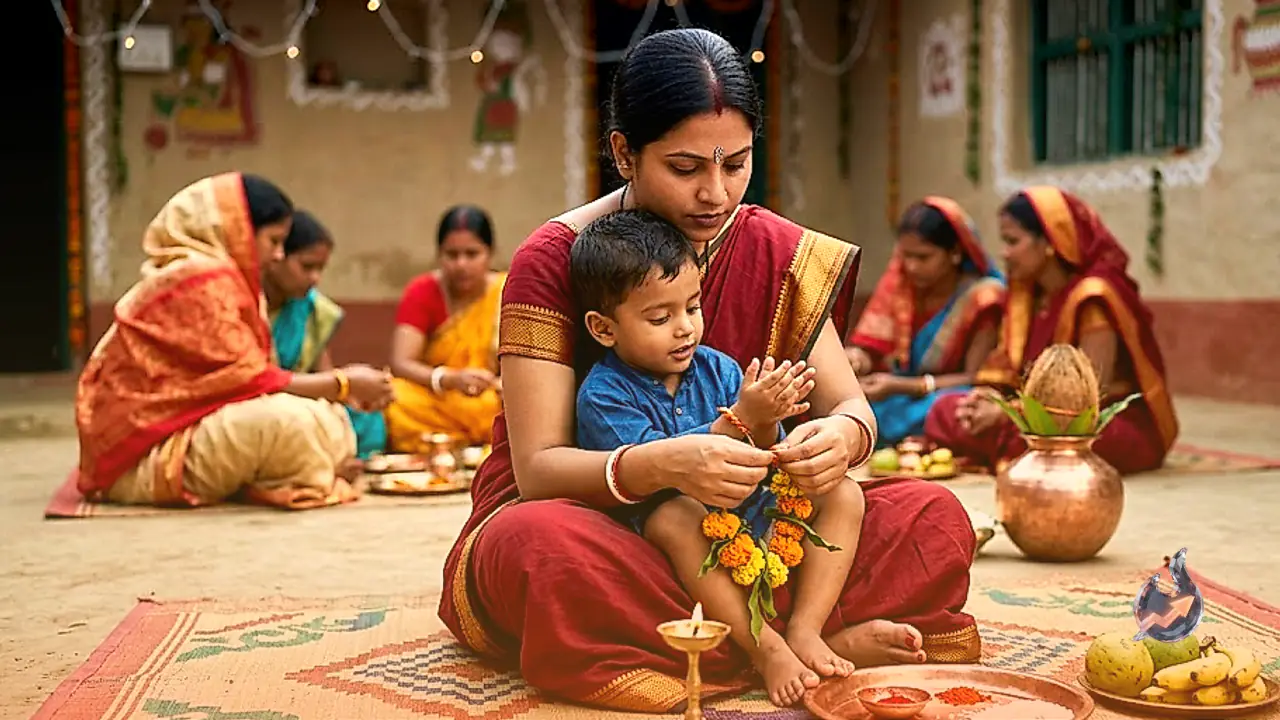
















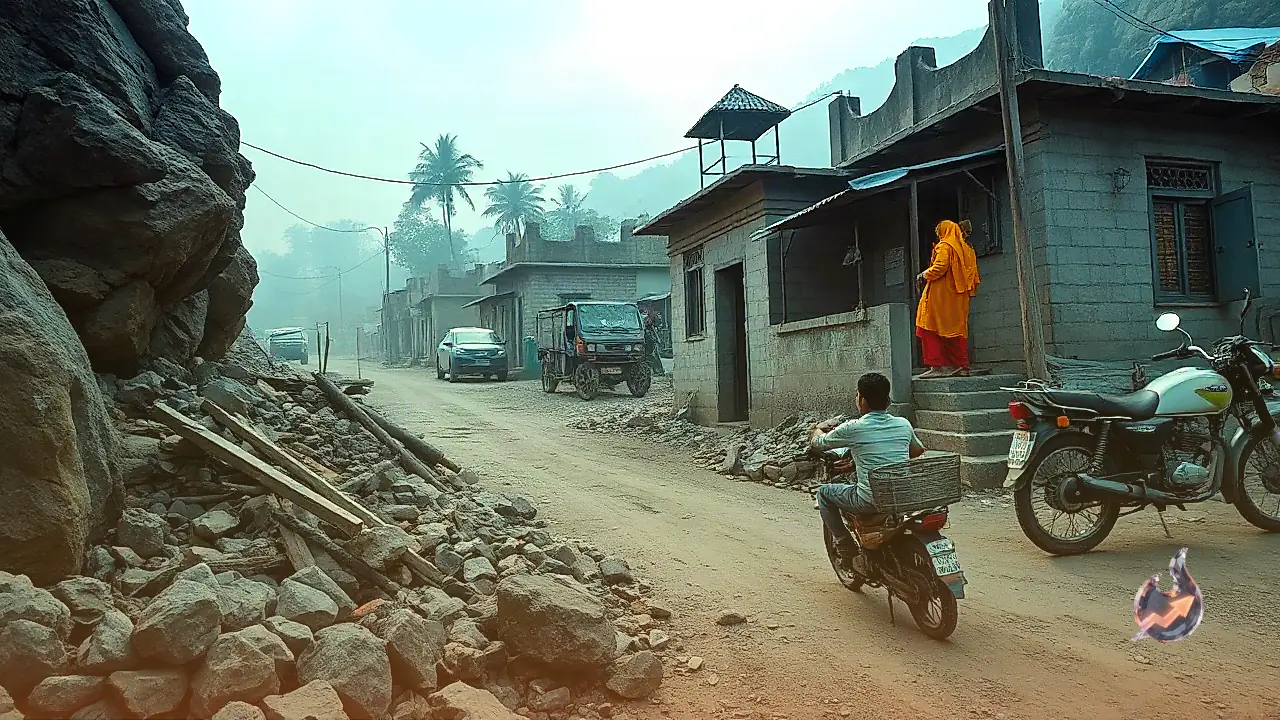

In the remote folds of North Bastar Kanker, the dependent hamlet of Pusajhar under Muragaon panchayat remains cut off from modern infrastructure. Home to approximately 120 people distributed across 16 households, the settlement continues to stand entirely on temporary mud structures. While local residents retain hope for standard living conditions, the geographic barriers and absent transport links have turned ordinary existence into a persistent daily struggle across difficult terrain.
Community Effort Carves a Passage Through the Hills
The surrounding region spent years under the shadow of left-wing extremism, a factor that historically disrupted public infrastructure initiatives. Even as security conditions improved, administrative attention failed to deliver an all-weather transit link to this hamlet. Faced with persistent isolation, the local community pooled their personal savings and physical labor to cut through the rocky mountain slopes. Although this community-led effort established a walking passage connecting the settlement outward, the pathway remains too narrow and treacherous for commercial vehicles, tractors, or freight transport.
Missing Road Link Halts Government Housing Projects
The state sanctioned formal housing units for several local households, offering families the prospect of durable shelter. However, the absence of vehicular access has created an insurmountable logistical hurdle. Heavy freight carriers cannot navigate the slopes, preventing the delivery of essential supplies like cement, steel rods, coarse aggregate, and sand. Consequently, residents must personally excavate foundations and attempt to carry construction components manually over the incline, rendering full-scale building efforts nearly impossible to complete.
Healthcare Access and Education Hampered by Isolation
The deficiency of proper road infrastructure affects far more than dwelling construction. Routine access to medical care and standard schooling remains compromised, as getting an unwell person or child to regional facilities demands arduous transit across rough terrain. The community in Pusajhar seeks an accessible, wide road capable of accommodating essential supply vehicles. Without such basic connectivity, medical interventions, primary education, livelihoods, and the realization of government welfare schemes remain stalled behind geographic barriers.