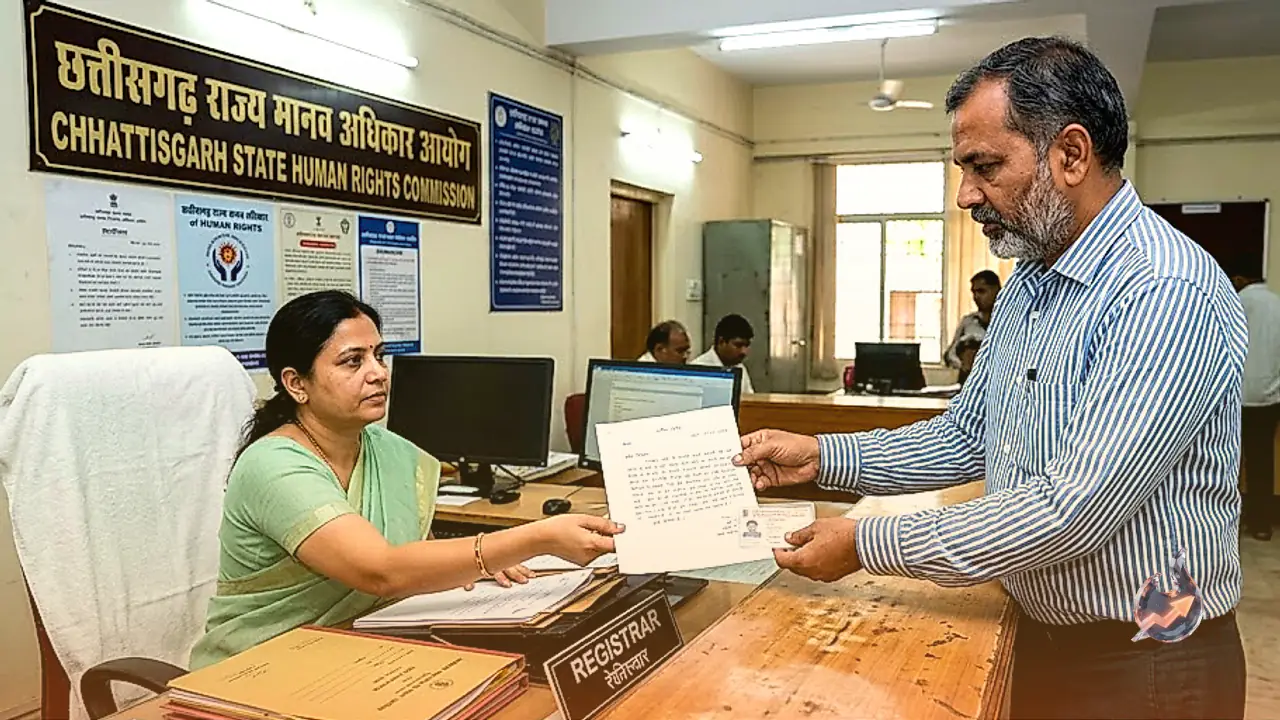














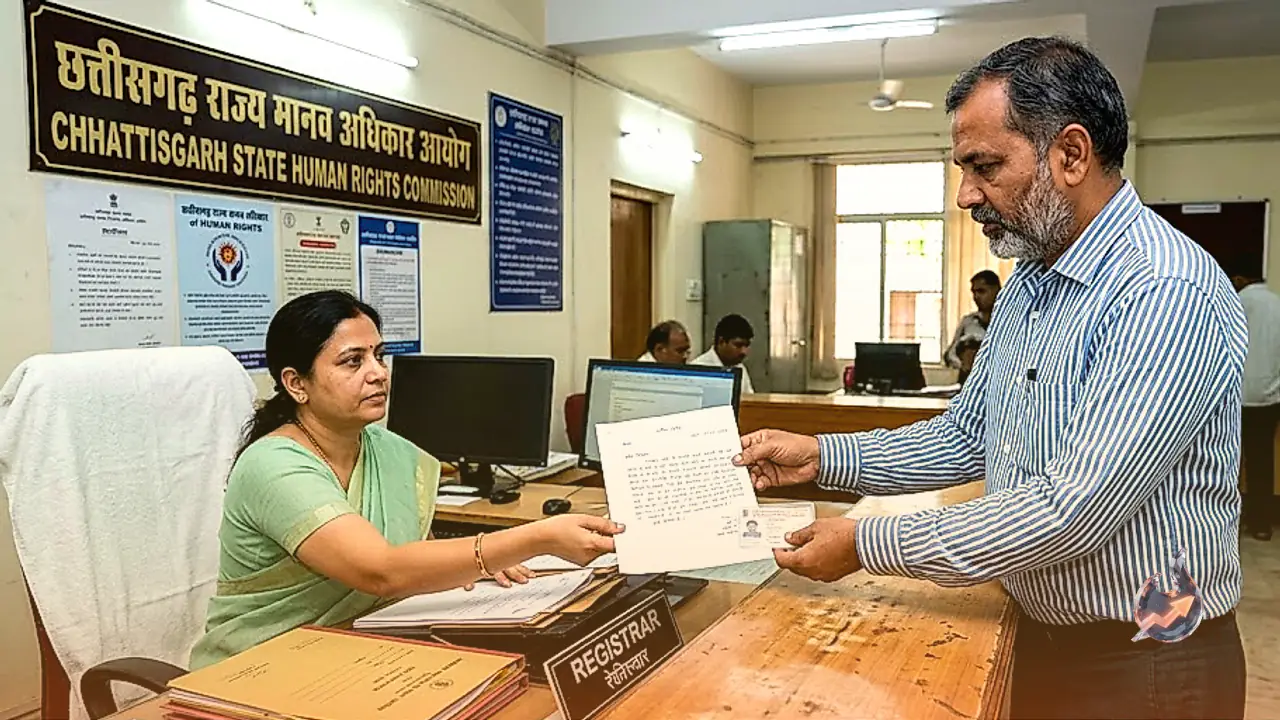

The centuries-old ritual of setting Ravan effigies ablaze during the festival of Dussehra took an unexpected legal turn when a citizen formally approached the authorities to contest the tradition. The Chhattisgarh State Human Rights Commission was presented with an extraordinary plea questioning the infringement of rights surrounding the mythological figure, leaving officials bewildered by the petition's premise.
Peculiar Plea Emerges Amid Thousands of Grievances
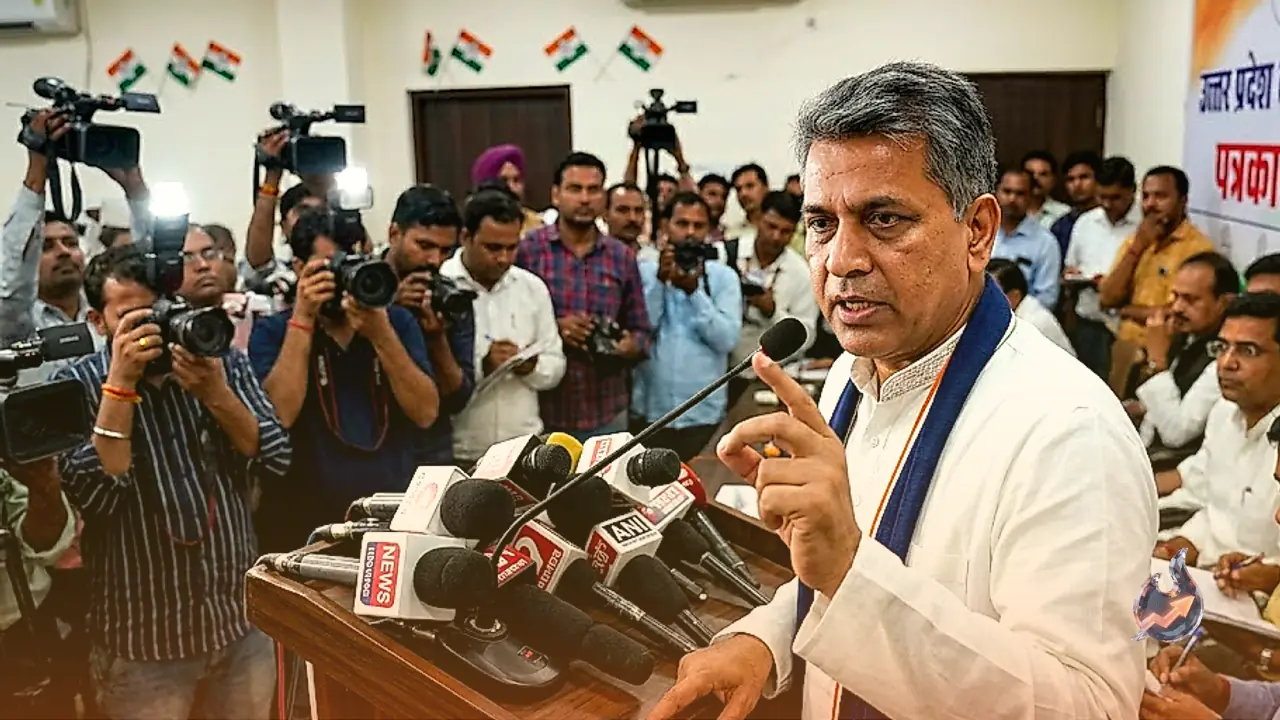
The unusual petition came to light during an official press conference convened by the Chhattisgarh State Human Rights Commission. While briefing reporters on the agency's caseload and regulatory duties, acting chairman Giridhari Nayak provided a breakdown of the submissions handled by the body. Nayak stated that the commission has received roughly 74,000 complaints to date. Upon internal assessment, between 2,000 and 3,000 of these petitions were determined to be completely frivolous or fell entirely outside the legal jurisdiction assigned to the rights body.
Rights Debate Sparks Mythological Comparison
Among the vast backlog of 74,000 formal complaints, this single application immediately stood out. Acting chairman Giridhari Nayak explained that the complainant alleged that the public burning of Ravan's effigy amounted to a direct violation of human rights. When panel officials countered that Ravan was not classified as a human being in the mythological context, the applicant countered with an alternative narrative. He demanded to know why society does not burn effigies of Duryodhan if Ravan is routinely set ablaze. The petitioner argued that Duryodhan committed far greater transgressions than Ravan, questioning why the symbolic retribution is reserved solely for one figure.
Commission Cites Lack of Jurisdiction
Addressing the applicant's philosophical query, acting chairman Giridhari Nayak stated that the individual was advised to seek an appropriate forum elsewhere. Nayak made it clear that matters involving religious traditions, folklore, and festive effigy burnings do not fall under the statutory jurisdiction of the state rights panel. The commission explicitly conveyed to the applicant that he had approached the wrong venue for redress. Consequently, among tens of thousands of serious human rights disputes, this peculiar petition became a major topic of conversation strictly because of its transition from festive rituals to a human rights forum.