
The cultural identity of Chhattisgarh is defined by its distinct folk traditions and centuries-old heritage. Across various communities, traditional attire, dietary habits, and lifestyles reflect a deep-rooted historical legacy. Among these, the traditional clothing of the Yadav community is not merely apparel, but a profound symbol of pastoral culture, valor, self-respect, and folk tradition. Adorned in dhotis, kurtas, bandis, cowrie-shell jewelry, armlets, headgear featuring peacock feathers and crests, and holding wooden staves, members of the community bring regional folk culture to life through the rhythmic beats of Rawat Nach. However, modernization and changing times have brought considerable shifts to this traditional wardrobe. Once a vibrant feature of weekly village markets, this tradition is now largely confined to organized festivals and competitive events. To understand the history behind this unique attire, how it was worn in earlier times, and the ongoing preservation efforts, senior folklorist Dr. Somnath Yadav from Bilaspur shared detailed insights.
Roots in Pastoral Culture and Rural Life
According to Dr. Somnath Yadav, the traditional attire of the Yadav community in Chhattisgarh is directly connected to their historical pastoral lifestyle and rural existence. In earlier days, community members typically wore dhotis, kurtas, and bandis. This was complemented by ornaments made of cowrie shells, alongside traditional bangles and armbands worn on the wrists. On their heads, they wore bamboo-framed headwear known as khumri, elaborately decorated with peacock feathers and decorative crests. Carrying a sturdy staff in one hand and a bamboo flute or stick in the other, they presented a distinctive traditional appearance, reflecting a lifestyle largely centered around agriculture and animal husbandry.
Elaborate Adornments with Cowries and Feathers
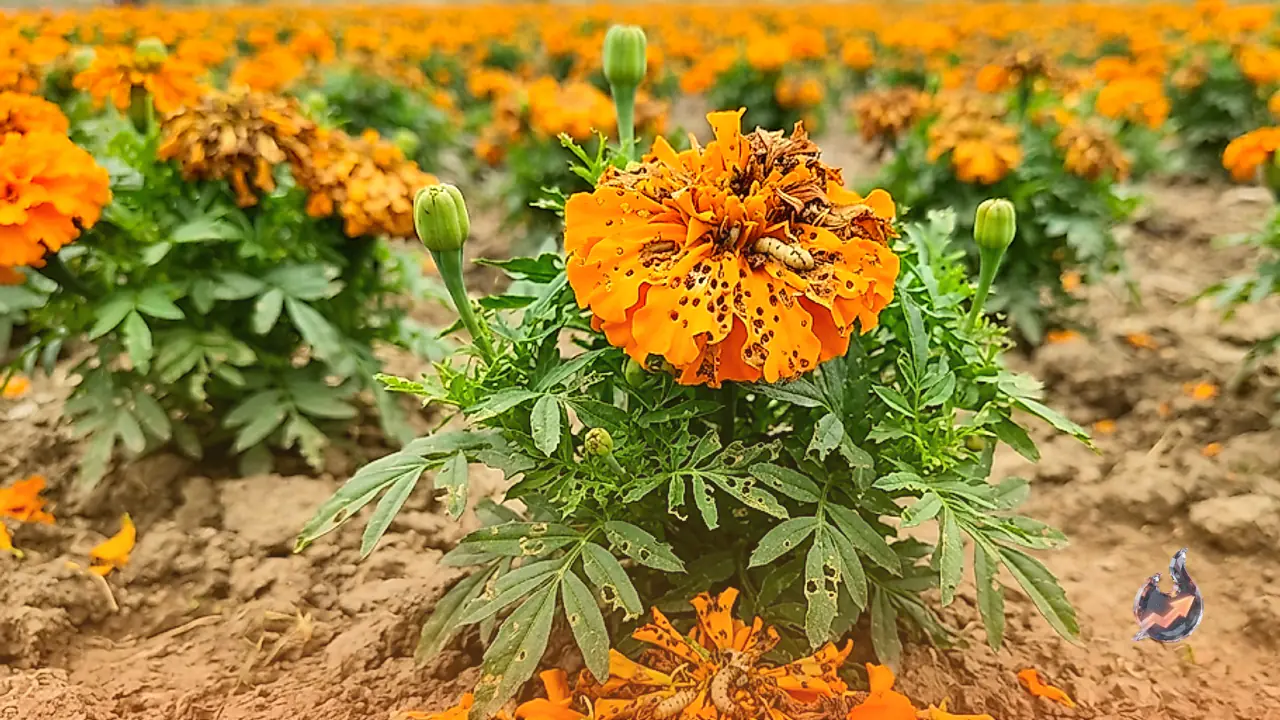
Decoration and ornamentation held immense significance within this traditional attire. Historically, ornaments fashioned from cowries and natural peacock feathers were widely used. Waistbands and other traditional decorative elements enhanced the overall look. Turbans tied around the head featured marigold flowers and crests, though paper flowers have gradually replaced fresh blooms over time. With yellow pigments applied to their faces and kajal accentuating their eyes, Rawat Nach performers traditionally prepared themselves with the air of ancient warriors. Brandishing staves and shields to the accompaniment of traditional drums, they combined dance with displays of physical prowess.
The Vibrant Era of Bazar Bihana in Weekly Markets
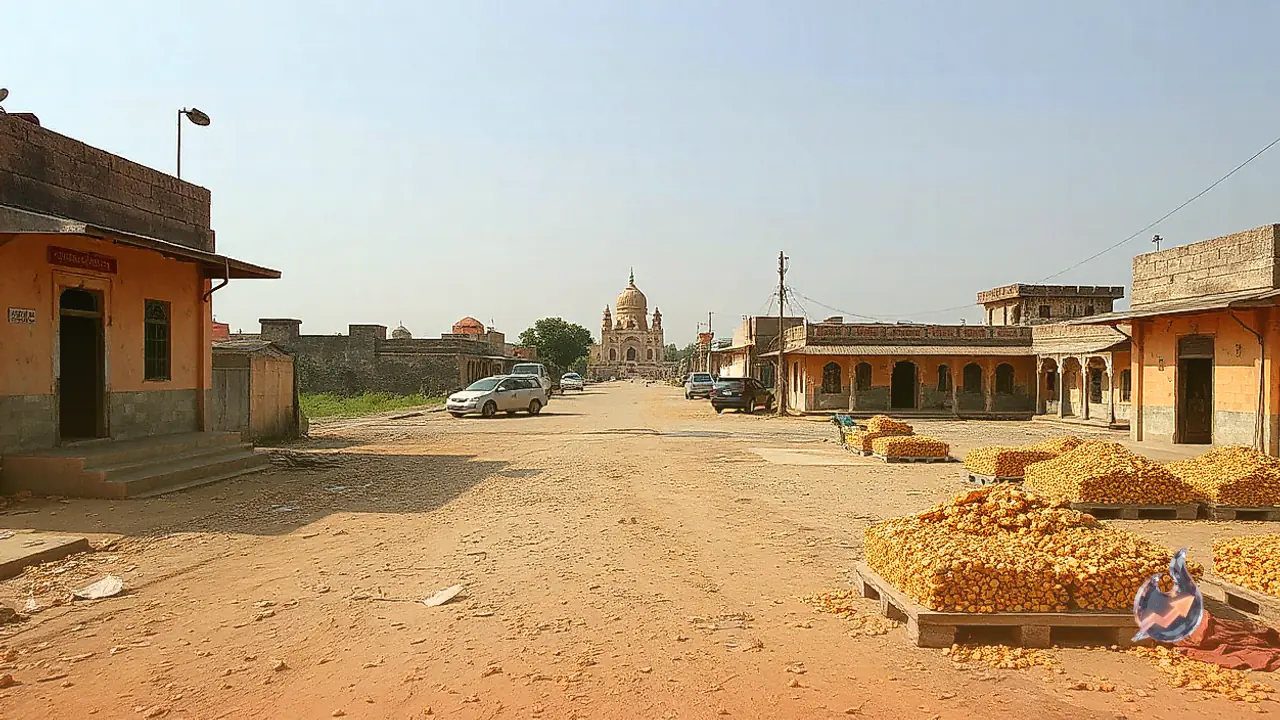
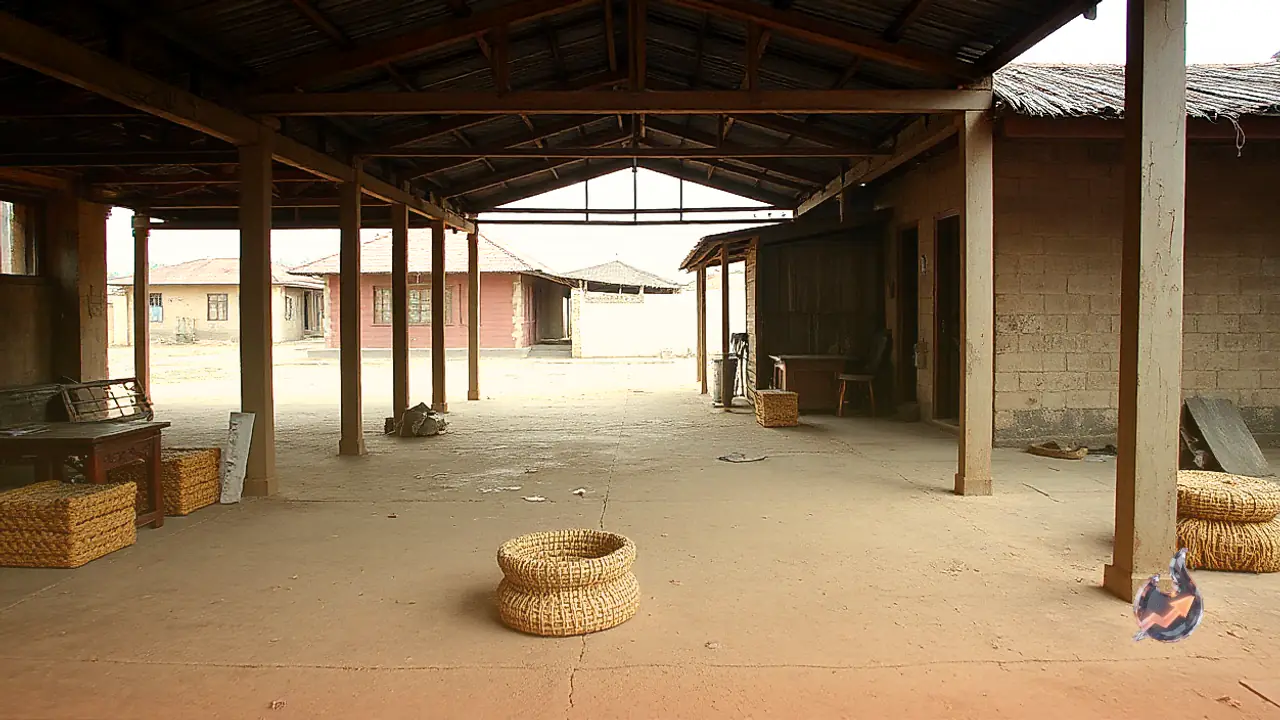
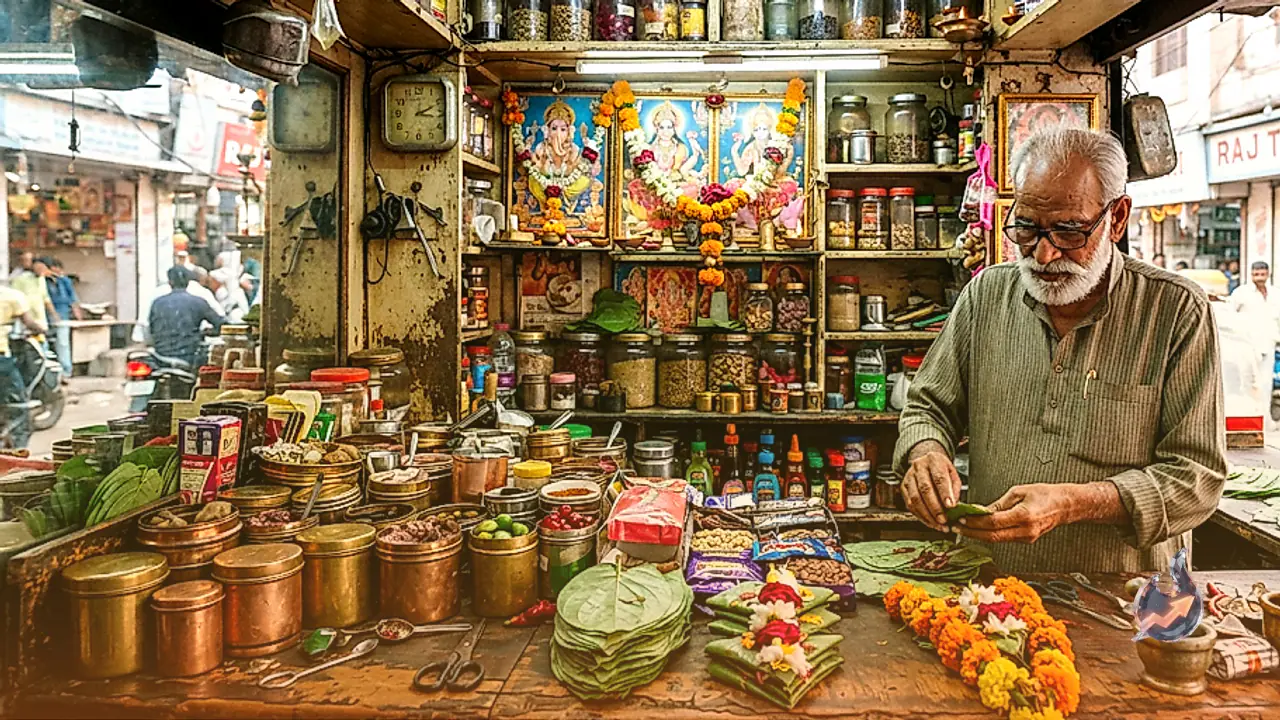
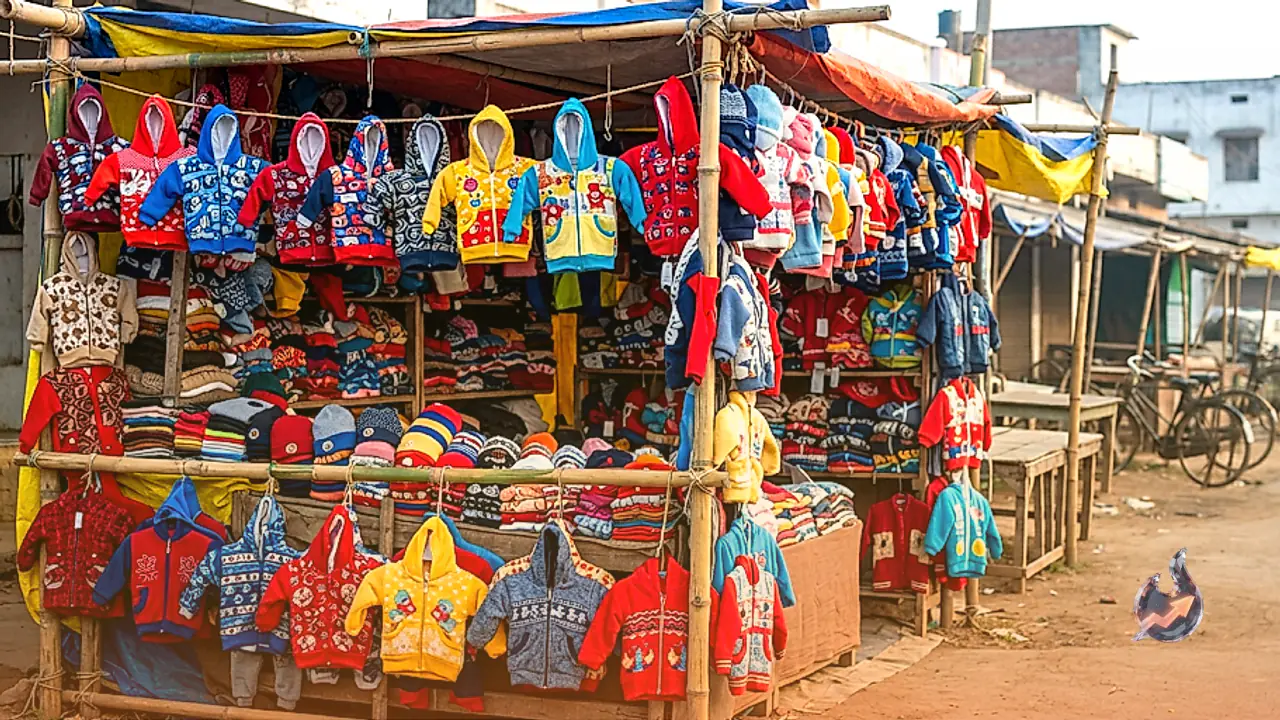
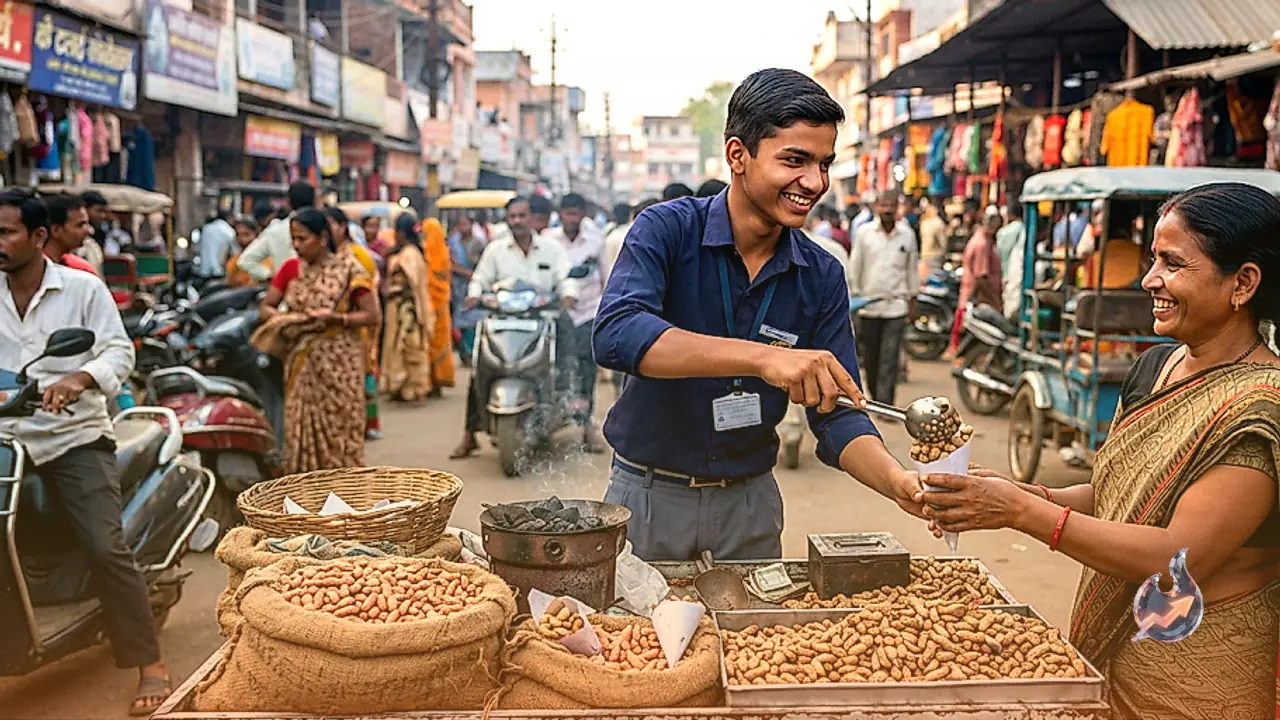
Dr. Somnath Yadav notes that in former times, members of the Yadav community would arrive at village and town weekly markets accompanied by traditional musical instruments. Whenever a local market or village fair was scheduled, prior announcements were made. Subsequently, troupes from the community would gather at the venue, performing ritualistic circumambulations around the market perimeter while showcasing their dance and martial skills. This practice was known as Bazar Bihana. Markets would feature diverse stalls, creating a festive atmosphere where Yadav artists enlivened the proceedings with their traditional performances before returning to their respective villages.
Transition from Traditional Markets to Organized Festivals
Over time, economic pressures, urbanization, and commercialization began to influence this cultural practice. While artists previously traveled to local weekly markets to exhibit their art, the landscape has shifted toward dedicated Rawat Nach festivals and structured competitions. Today, participating troupes travel directly to designated venues to present their performances. Evaluation is based on criteria such as choreography, traditional makeup, display of martial skills, and the size of the troupe, with awards presented to top-performing groups. Thus, the traditional concept of Bazar Bihana has evolved into modern competitive festivals.
Shifting Attire Amid Modern Influences
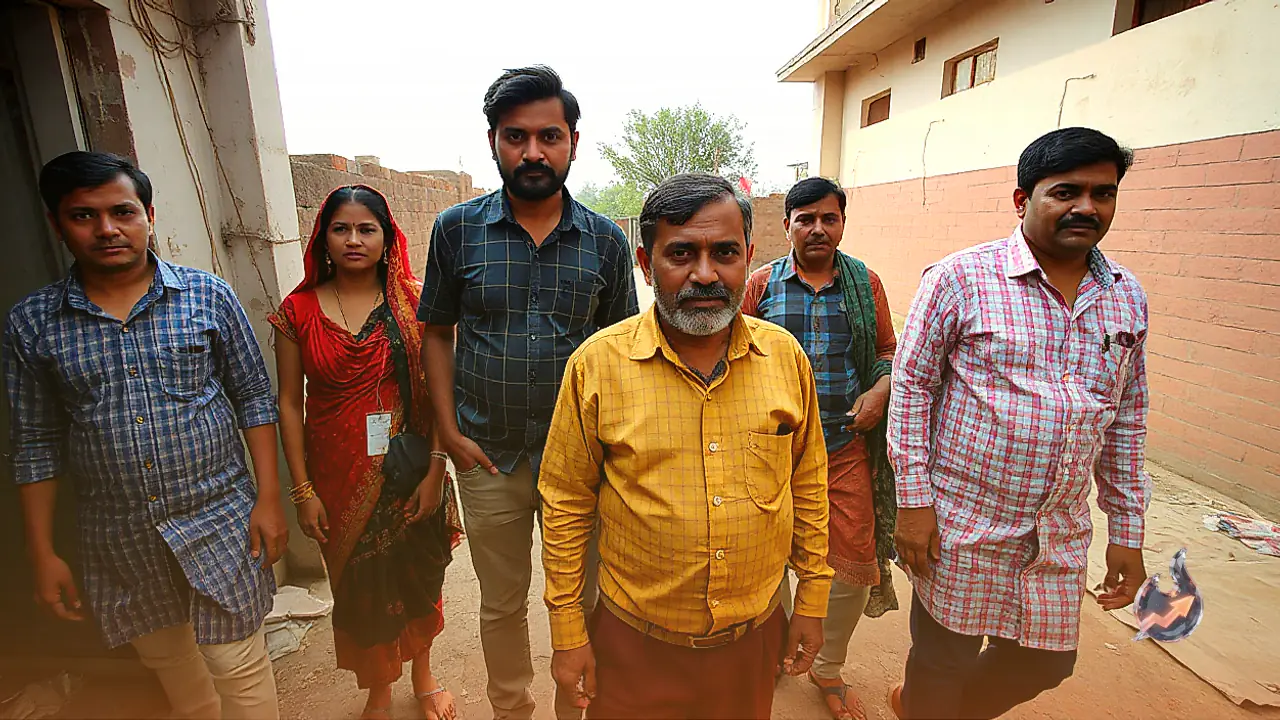
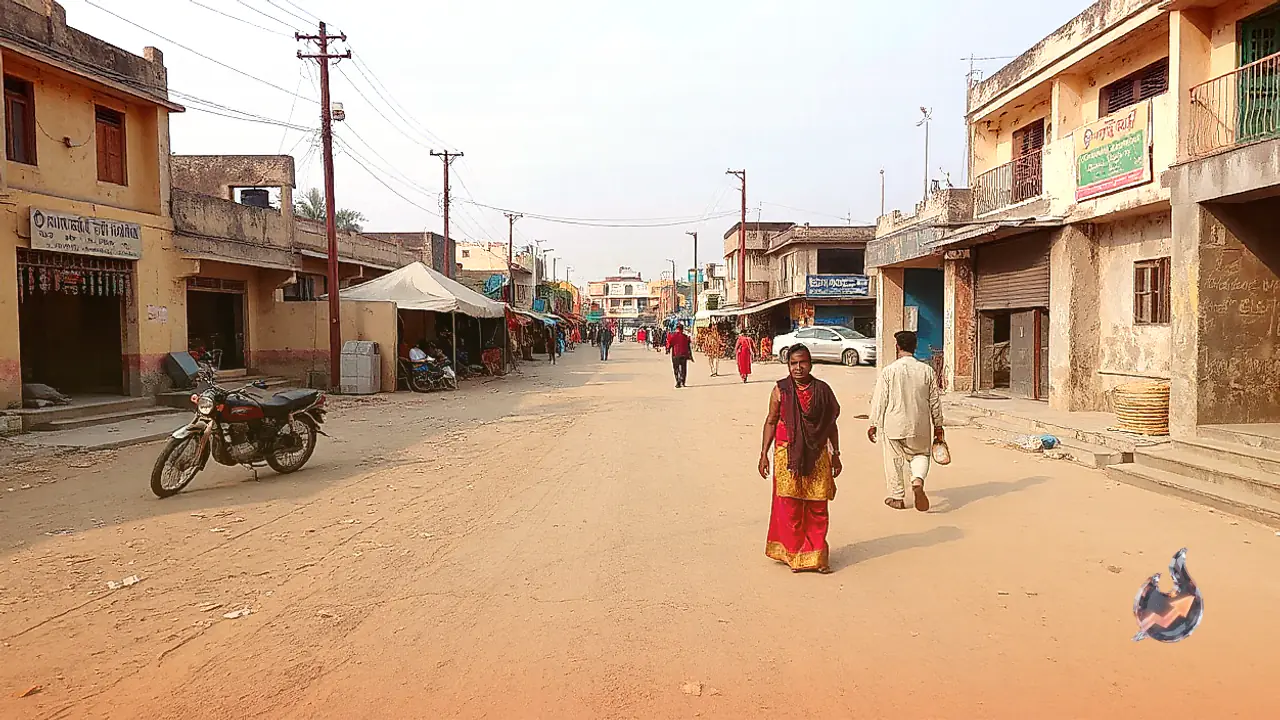
Experts point out that modernization has steadily limited the daily use of traditional garments. While earlier generations of the Yadav community predominantly wore dhotis, kurtas, and bandis, modern youth increasingly favor trousers and shirts. The impact of urban lifestyles is visible across daily routines and diets. Nevertheless, numerous elderly individuals in rural areas continue to preserve their traditional wardrobe and lifestyle, faithfully adhering to age-old customs and culinary traditions.
Preserving the Legacy Through Younger Generations
Cultural evolution is natural, and adopting contemporary lifestyles in the twenty-first century is inevitable, yet safeguarding one's cultural heritage remains vital. Positively, despite modern influences, the Yadav community has sustained Rawat Nach and its traditional identity. Older generations, alongside active youth, are dedicated to carrying this legacy forward. Through organized festivals, traditional attire, folk dances, and displays of valor are gaining renewed recognition. The traditional attire of the Yadav community is not merely a combination of garments and ornaments, but an authentic reflection of social history and rural life. Although its outward manifestation has transformed over time, concerted efforts continue to preserve this rich heritage through festivals and community performances.