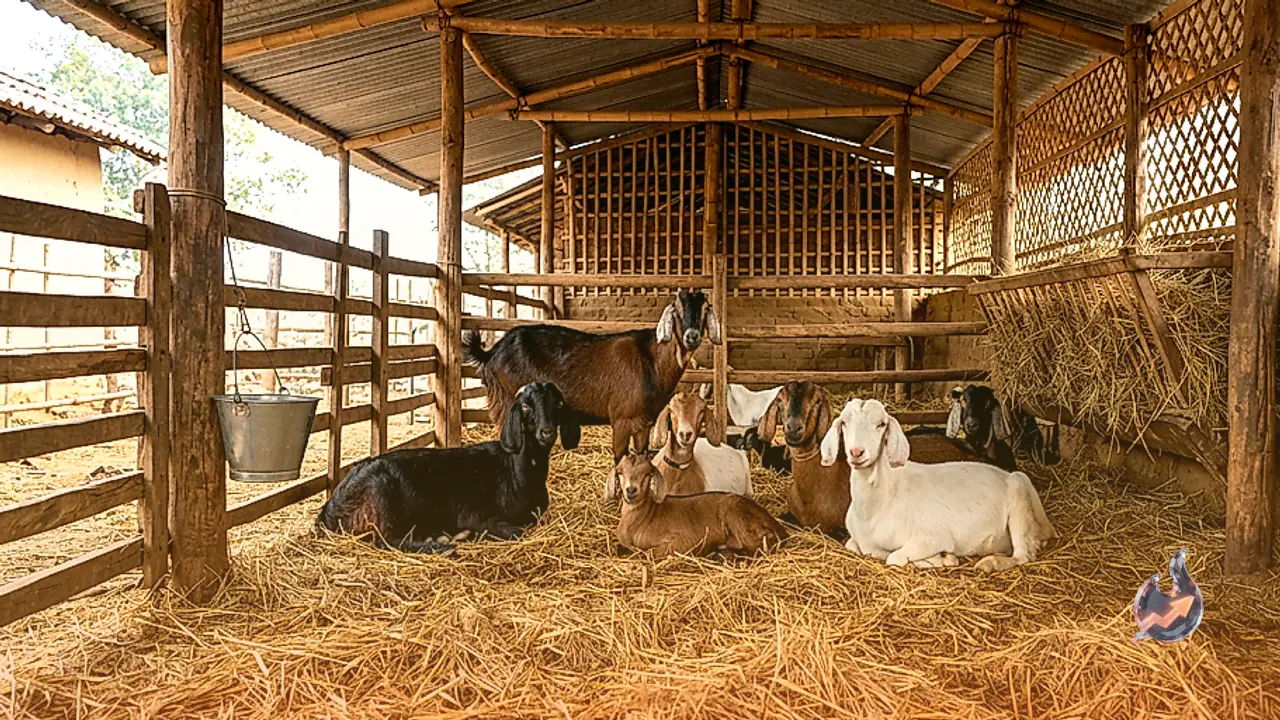

As the winter season sets in across Balod, livestock owners are facing mounting concerns, with goat farmers in particular needing to exercise extreme caution. During the colder months, the threat of two major illnesses, pneumonia and PPR (also known as goat plague), rises significantly among herds. The early symptoms of both conditions overlap heavily, leading many farmers to miss identifying the exact sickness in time. Young goats bear the heaviest brunt of these seasonal health challenges.
Identifying Symptoms And Key Differences
Dr. Neetu Sonkar, livestock production and management scientist at Krishi Vigyan Kendra Balod, noted that pneumonia cases surge among younger goats during winter. Affected animals typically experience sneezing, nasal discharge, and fever. Meanwhile, PPR shares several symptoms like fever, cold, cough, and sneezing, but can be distinguished distinctively by the appearance of sores inside the mouths of the animals.
Importance Of Vaccination And Prompt Treatment
Timely vaccination remains the most effective defense against these infections, according to Dr. Sonkar. Farmers can coordinate with the local veterinary department to get their goats vaccinated, with the government providing this immunization facility completely free of cost. If any symptoms surface, owners must consult a qualified veterinarian immediately rather than relying on home remedies.
Housing Management To Prevent Pneumonia
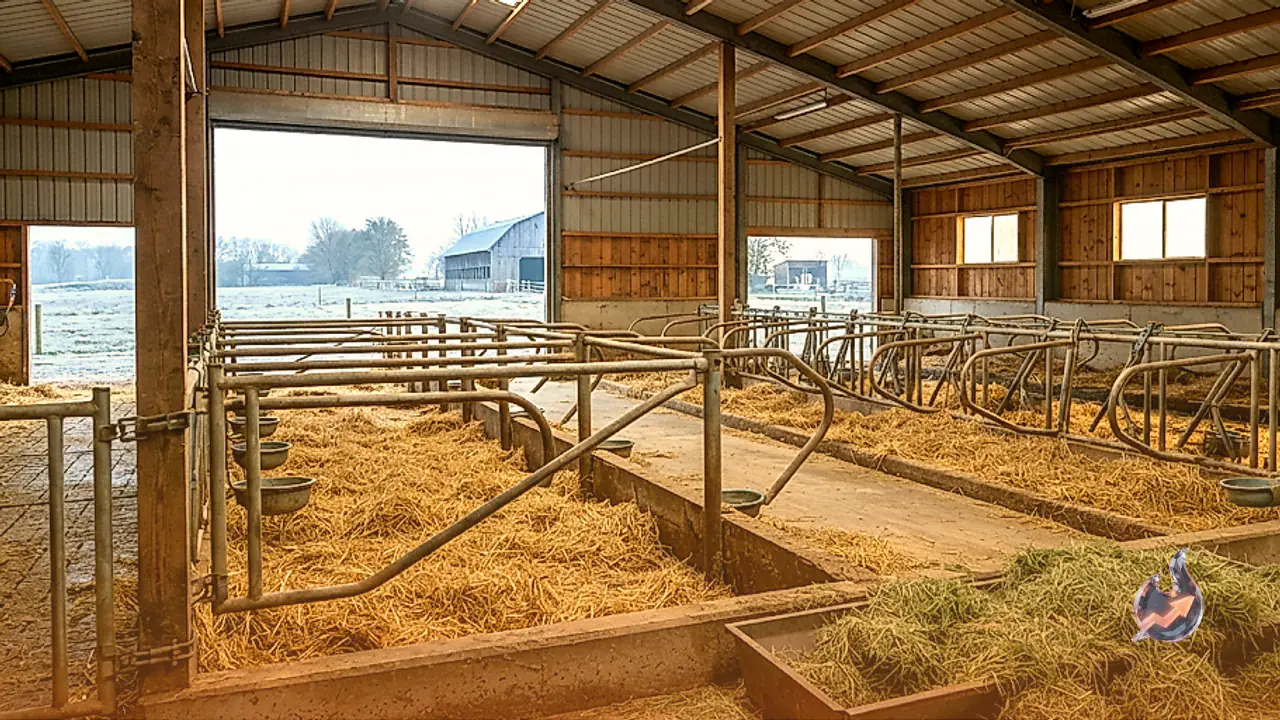
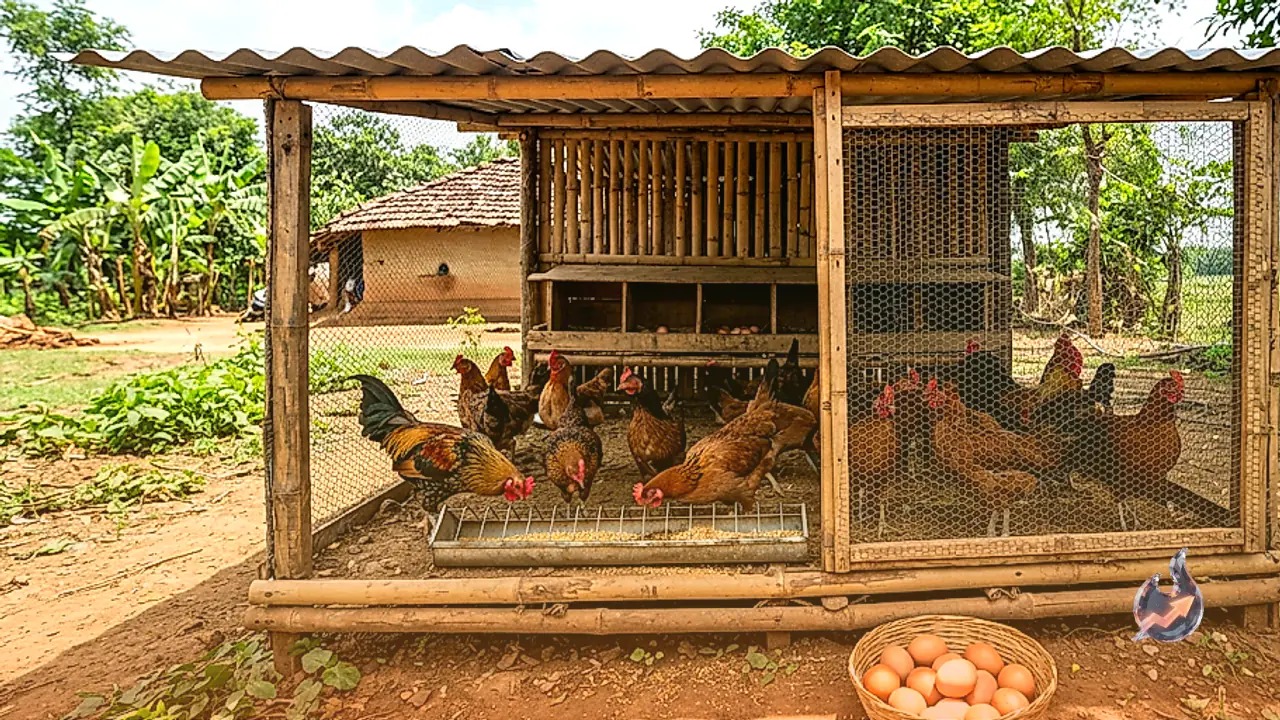
Goats must be kept away from cold and damp environments throughout the winter months. Their shelters need to remain clean, dry, and well-ventilated at all times. Continuous exposure to wet flooring dramatically increases the risk of pneumonia. Furthermore, if any goat displays signs of illness, it must be isolated in a separate shed right away to stop the infection from spreading to the rest of the herd.
Impact On Growth And Milk Yield
The consequences of these diseases extend far beyond immediate health issues. Pneumonia hinders the growth rate of young goats, while adult goats suffer from reduced milk production. Consequently, livestock keepers must prioritize rigorous sanitation, proper housing structures, and adherence to vaccination schedules to safeguard their animals.