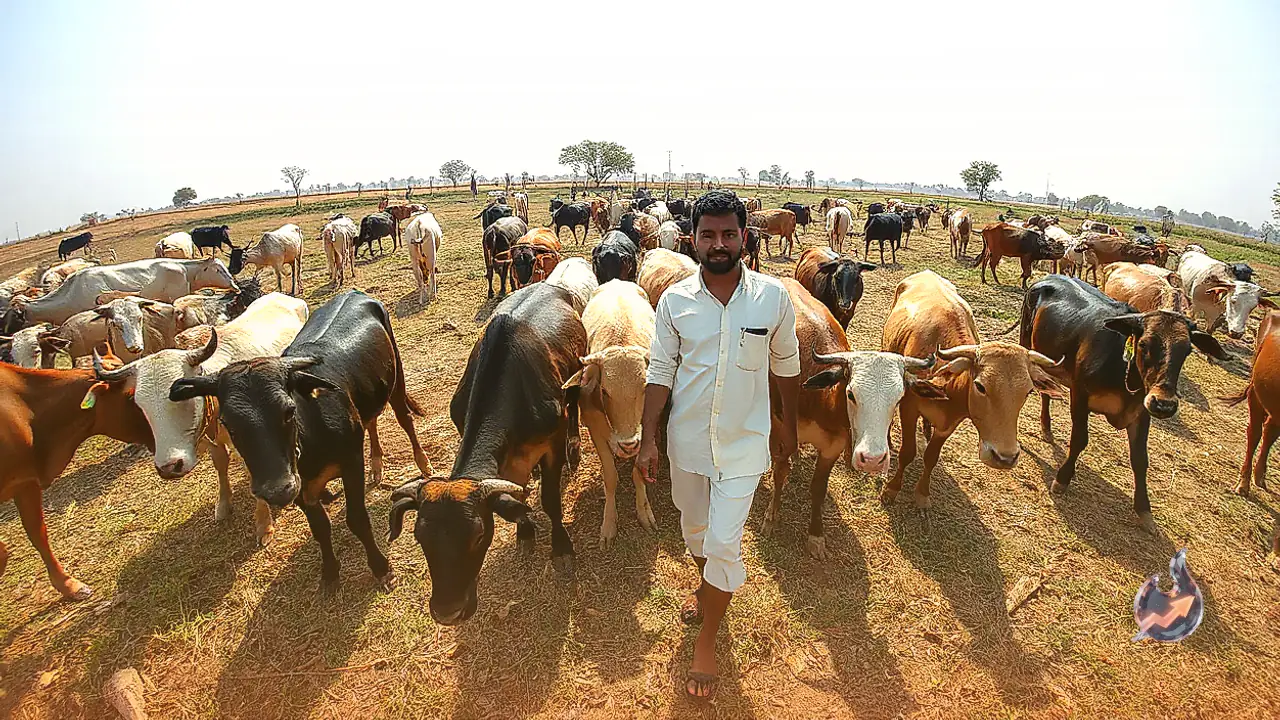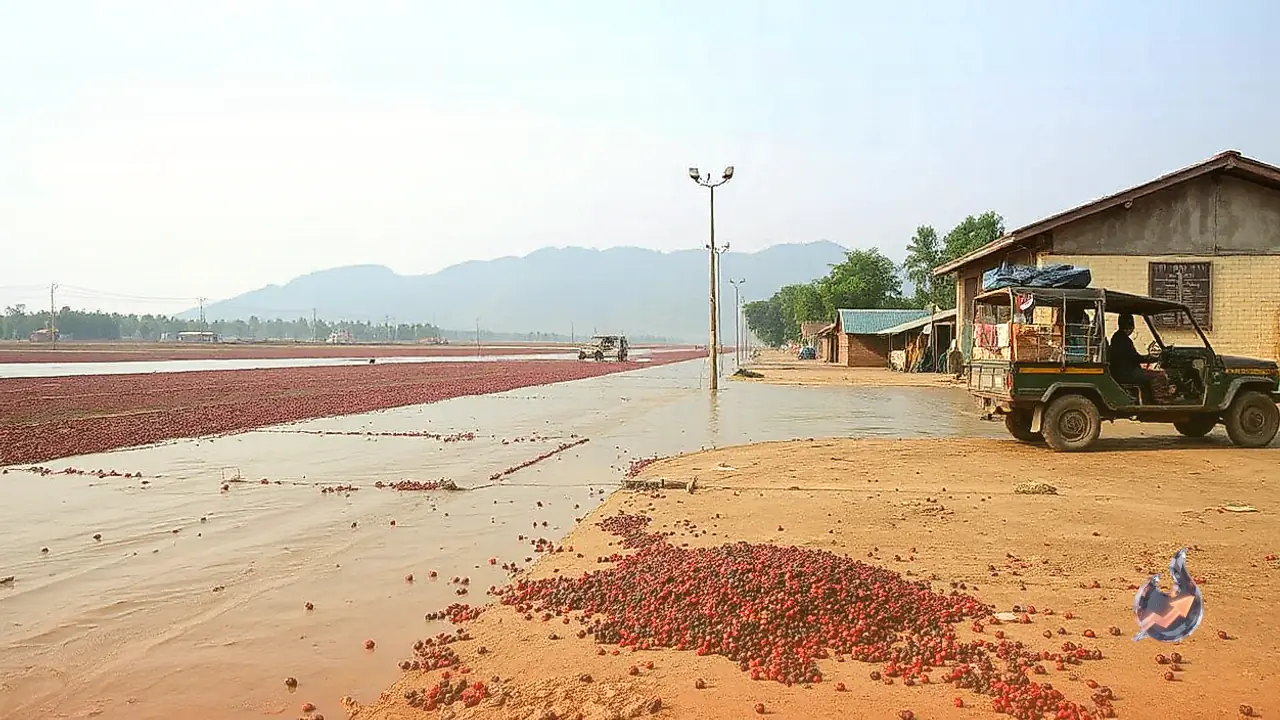

With the onset of winter in Bilaspur, Chhattisgarh, local markets have witnessed the seasonal arrival of a distinctive traditional fruit known locally as ban boir, or wild ber. This sour-sweet forest fruit has captured the attention of residents, with sales briskly underway at prominent locations across the city, including the Company Garden and various busy intersections. The primary appeal of this delicacy is its entirely organic nature, as it grows and flourishes spontaneously in forested areas without requiring any human cultivation, chemical fertilizers, or artificial intervention.
Naturally Grown Forest Delicacy
The production of ban boir relies entirely on nature, requiring zero special maintenance, pruning, or chemical treatments. Once the fruit matures naturally on trees deep within the woods, villagers forage and harvest the crop before transporting it to commercial hubs. Local vendors then procure these supplies to retail them directly to urban consumers. The surrounding forested regions near Ratanpur, Sargaon, and the Akaltara turn serve as the primary gathering grounds where villagers collect the harvest before bringing it into Bilaspur.
Current Pricing and Market Trends
Market rates for ban boir fluctuate depending on daily supply volumes and weather conditions. During the initial days of the season, prices can peak at around 300 rupees per kilo, while general trading ranges between 200 and 300 rupees per kilo. Inclement weather conditions have recently impacted retail structures, pricing the item at 20 rupees per pav, though vendors anticipate rates will climb higher once clear skies return. Despite these pricing shifts, dedicated enthusiasts of traditional flavors continue to seek out the fruit eagerly.
Available For Only One Month A Year
The defining characteristic of ban boir remains its fleeting availability. Rather than remaining accessible throughout the year, the fruit appears in commercial spaces exclusively during the winter season for a brief window of approximately one month. This limited availability generates immense anticipation among consumers who wait all year to experience its distinctive flavor profile, making it a coveted seasonal treat for those attached to authentic local tastes.
A Vital Livelihood Source For Rural Harvesters and Vendors
Beyond its culinary appeal, the wild fruit serves an important economic function for vulnerable members of the community. A 70-year-old local vendor named Vijay Lakshmi Thakur, who sells ban boir near the Company Garden, explained that villagers source the fruit from deep within forests and supply it to her for urban retail. The heightened seasonal demand draws steady foot traffic to her vending spot, turning the short-lived forest harvest into a reliable income opportunity for both rural gatherers and small-scale city vendors.