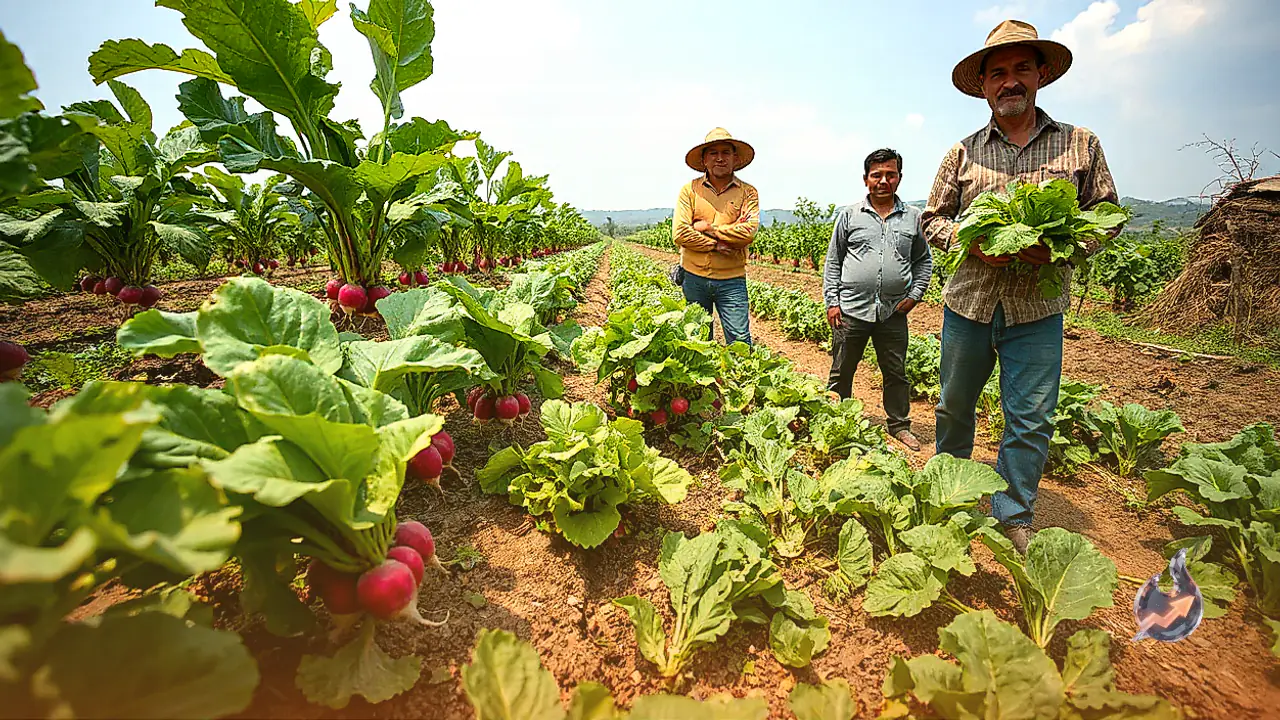

Farmers in the Bastar region are increasingly shifting away from chemical-heavy farming and embracing completely organic and natural agricultural practices. Amid a market flooded with vegetables grown using chemical fertilizers, the consumer demand for organic vegetables remains exceptionally high, creating strong prospects for local farmers to secure great profits. Since most radishes and leafy greens sold in standard markets rely heavily on chemical inputs, finding genuinely organic produce has become quite challenging for everyday consumers. To address this exact issue and meet the rising demand for pure food, a rural resident in Bastar has successfully cultivated radishes organically right inside his home backyard.
Preparation of Soil and Sowing Process
Pandru Ram, a resident of Bastar, shared that he has cultivated radishes alongside various other leafy greens in his backyard garden. The farming process began with thorough ploughing to ensure the soil became loose and well-aerated, followed by the creation of proper ridges before planting the radish seeds. Instead of using synthetic fertilizers, the crop has been nourished using traditional cow dung manure and poultry manure. This remarkable crop matures completely and becomes ready for harvesting within a timeframe of just one month to 45 days.
Pest Control and Yield Enhancement
To protect the growing crops from diseases and pest infestations without harming the natural quality, farmers avoid chemical pesticides entirely. Instead, a natural spray made from neem leaves is applied to the plants, which effectively drives away harmful insects and pests. Additionally, poultry manure plays a crucial role in significantly boosting the natural fertility and nutrient capacity of the soil, resulting in an abundant and healthy harvest. Many other farmers across Bastar routinely use poultry manure to maximize their agricultural output.
Production Cost, Profits, and Kitchen Gardening
This organic cultivation is expected to yield approximately 3 basketfuls, translating to around 100 kilograms of produce. The total investment required to grow this crop is merely 100 rupees, and it is projected to generate up to 7,000 rupees in sales. Once the family's own dietary requirements are fulfilled, the surplus greens are sold directly in the local market. Vegetables grown through natural organic methods are remarkably flavorful, and urban residents living in cities can easily replicate this practice by growing their own crops in personal kitchen gardens.