





















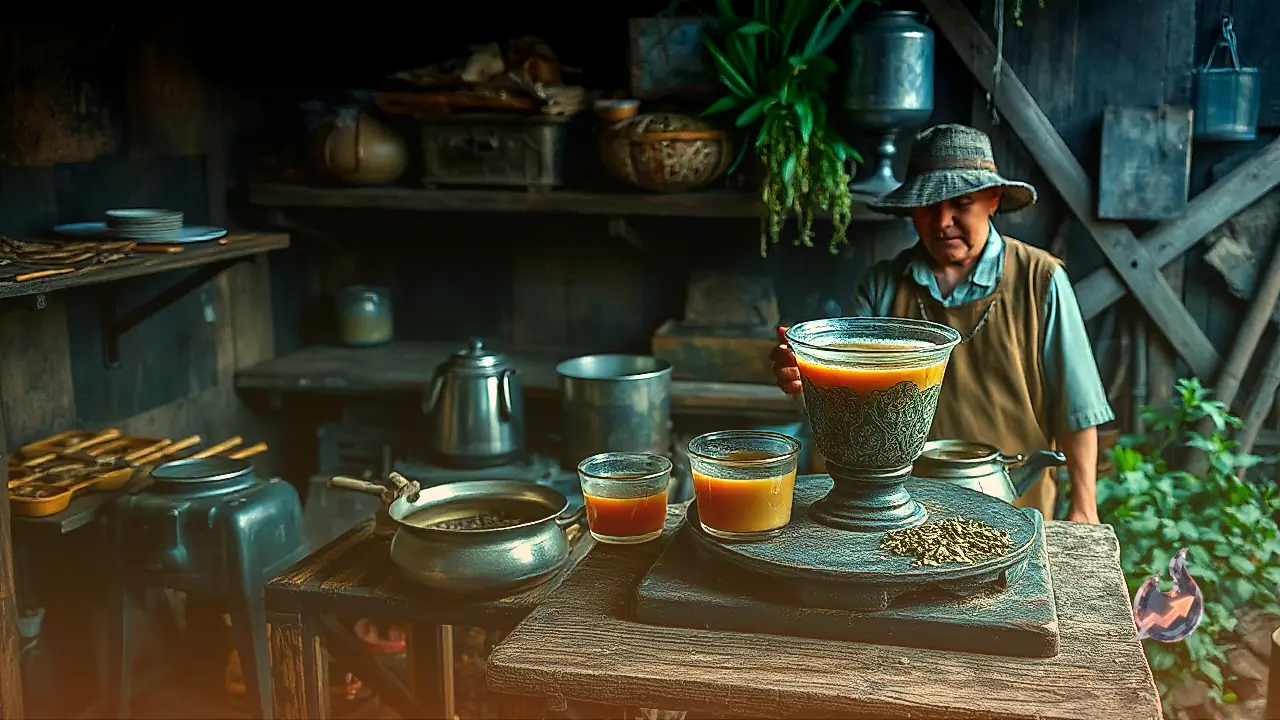

Stepping away from conventional milk-based morning brews, traditional herbal infusions carry an authentic charm of their own. Ramavtar Yadav continues a distinct method of preparing lemongrass tea passed down through generations, relying entirely on rustic techniques and simple natural ingredients rather than modern kitchen shortcuts.
Preparation Method with Fresh Harvested Leaves
The brewing process begins by gathering freshly picked lemongrass leaves. After measuring out the required amount of water, the leaves are gently crushed between the hands before being placed into the pot. This crushing process helps release the concentrated natural oils and fragrance directly into the liquid. The mixture is then allowed to simmer and boil thoroughly for approximately 10 minutes.
Flavor Enhancements and Natural Aromas
To tailor the taste, a small quantity of standard tea leaves and fresh ginger can be added during the boiling stage. However, even if ginger is unavailable, the brew retains its full character. Lemongrass possesses a distinct, self-sufficient scent and vibrant flavor profile that ensures the drink remains enjoyable without needing supplementary spices.
The Distinction of Wood-Fired Cooking
According to Ramavtar Yadav, simmering lemongrass tea over a traditional wood-fired hearth produces a noticeably different flavor compared to boiling it over a modern gas flame. The steady radiant heat from firewood imparts a genuine rustic quality and an earthy aroma that modern stoves cannot replicate.
An Inherited Family Custom
This culinary approach was not acquired through cookbooks or contemporary media guides, but inherited directly from family elders. Older generations originally perfected this infusion for their own daily refreshment and shared it among relatives across decades. Unlike heavy milk teas, this preparation completely excludes dairy, serving as a fragrant, clear red tea that feels exceptionally light on the palate.