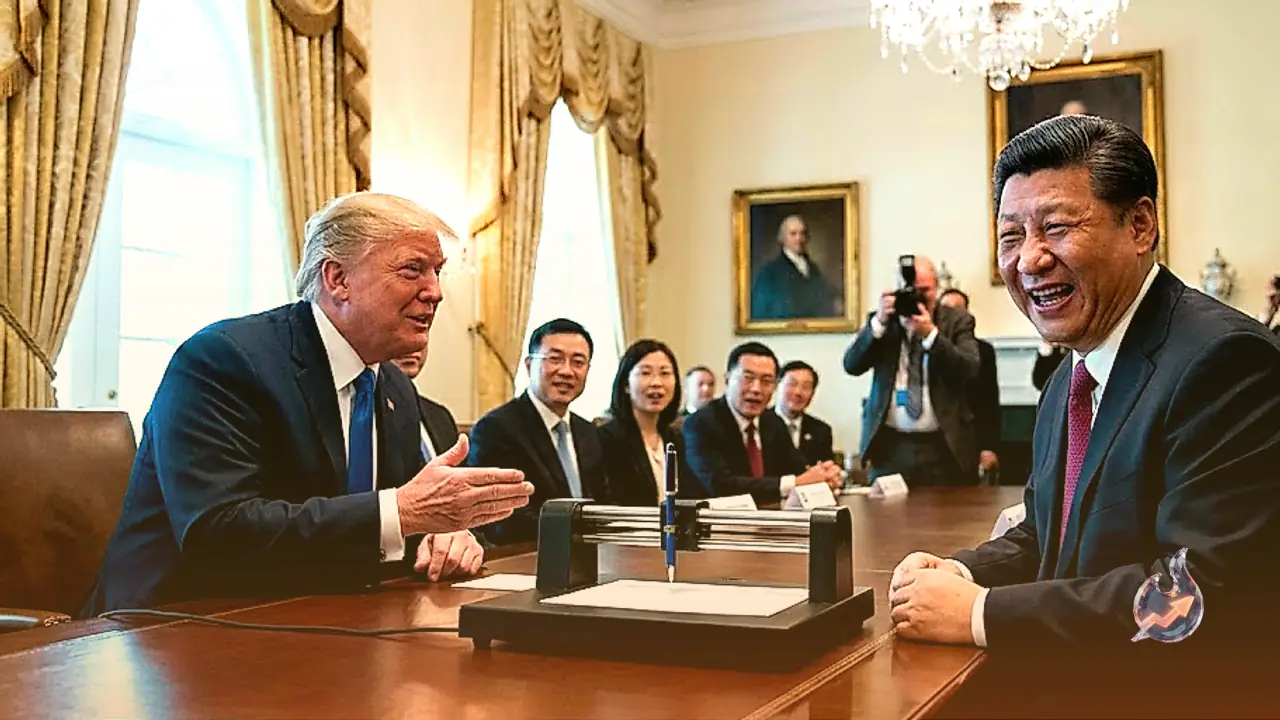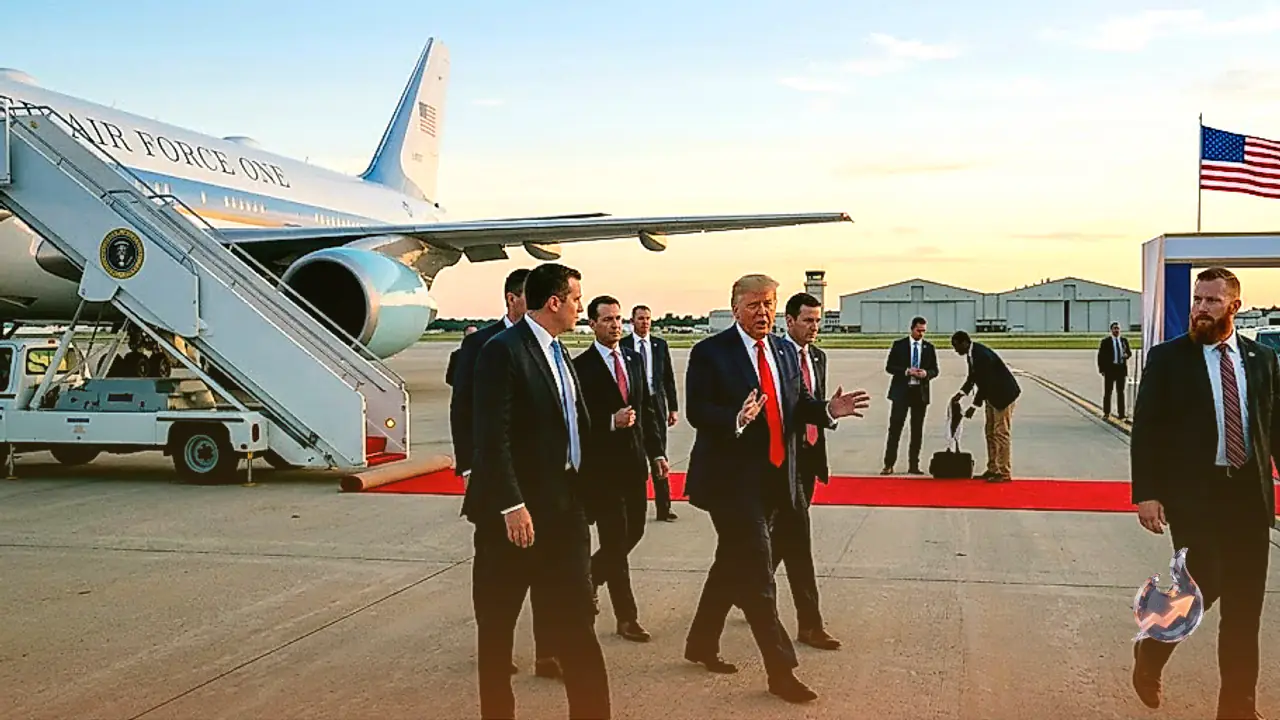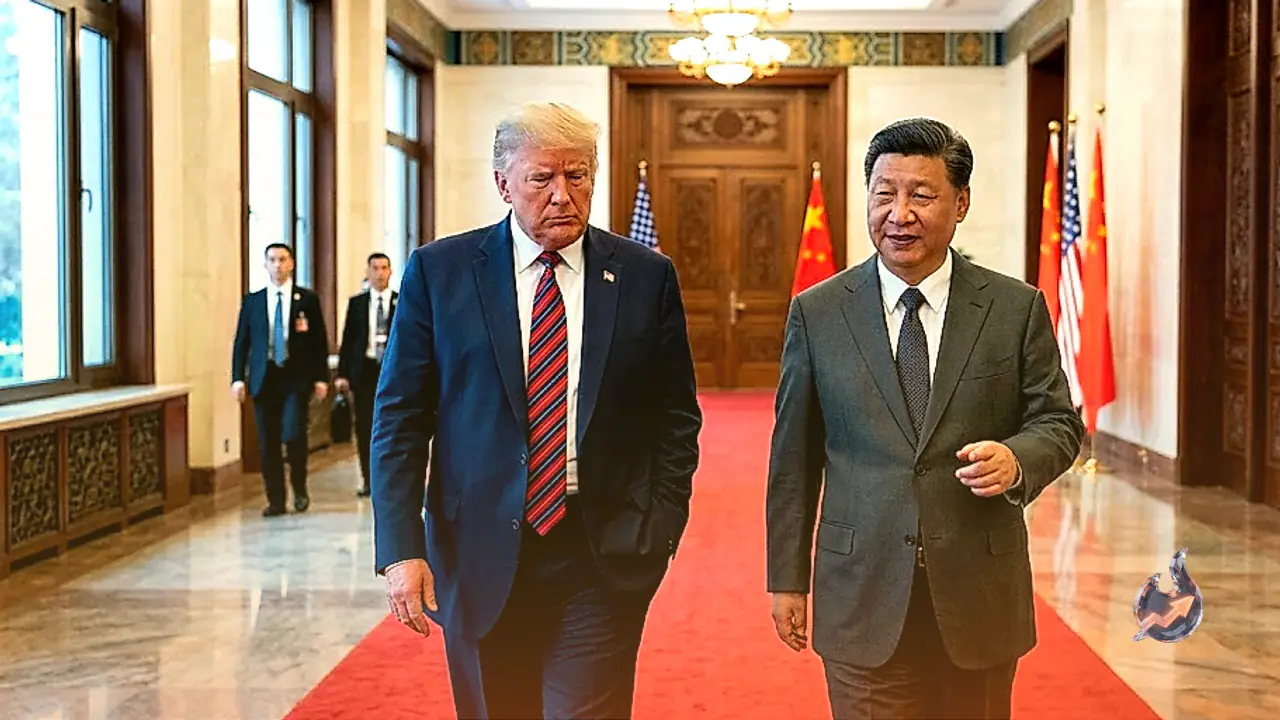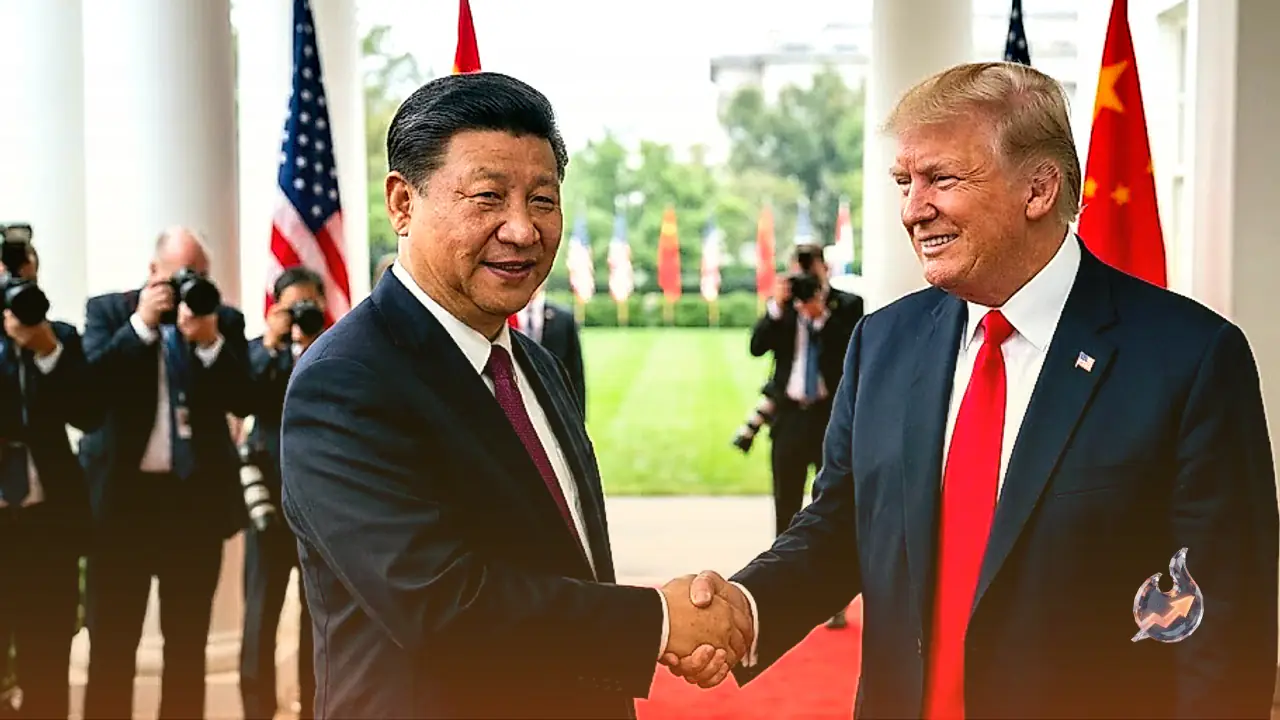






















Chinese President Xi Jinping has officially departed from Washington, concluding his highly anticipated three-day official diplomatic visit to the United States. The high-profile summit between US President Donald Trump and President Xi covered a wide array of critical global subjects, including ongoing trade disputes, the situation in Iran, the war in Ukraine, cross-strait tensions regarding Taiwan, and the future governance of AI. While both superpowers demonstrated a mutual willingness to prevent their economic disputes from escalating further, several deeply rooted geopolitical disagreements remain unresolved as the Chinese delegation heads back to Beijing.
Trump Shares a Symbolic Photo and Directs a Firm Warning to China
Shortly after the Chinese leader's departure from American soil, Donald Trump took to his Truth Social platform to share a highly symbolic photograph capturing the essence of the high-stakes summit. The shared image featured Trump standing alongside Xi, with former First Lady Melania Trump and Chinese First Lady Peng Liyuan visible in the background, accompanied by the bold caption "America is back." Beyond the public-facing social media diplomacy, the summit featured tense closed-door exchanges, particularly regarding West Asian geopolitics. The US administration utilized these meetings to deliver a stern warning to Beijing regarding its diplomatic and economic relationship with Tehran.
Tensions Over Iran and the Strategic Strait of Hormuz
The American administration expressed deep concerns regarding China's underlying relationship with Iran. David Perdue, the US Ambassador to China, revealed that Trump explicitly told Xi that any form of direct or indirect assistance to Iran would be completely unacceptable to the United States. In response, the Chinese leadership offered assurances that Beijing would refrain from providing such support to the Iranian regime. This crucial exchange occurred amid growing reports suggesting that Iran might be receiving military hardware and weapons from Chinese sources, alongside allegations that Tehran has been utilizing Chinese financial and trade channels to sell its crude oil and bypass international economic sanctions.
During their deliberations, both leaders also addressed the broader implications of the ongoing conflict involving Iran, though the specific details of these sensitive conversations were not made public. The strategic importance of the Strait of Hormuz adds immense gravity to these discussions. Because China imports a vast portion of its crude oil from West Asia, any major disruption in this crucial maritime chokepoint poses a direct and immediate threat to the stability of the Chinese economy. To mitigate these risks, Xi urged both the United States and Iran to return to the negotiating table, suggesting they build upon the diplomatic framework established during their agreements in June.
Trade Truce Extended but No Breakthrough Accord Signed
On the economic front, the most tangible result of the three-day bilateral summit was a mutual commitment to stabilize trade relations. Rather than escalating tariffs or introducing new economic barriers, both nations agreed to extend the existing trade ceasefire. However, the talks did not yield a comprehensive new trade treaty or a major structural economic agreement. Following the conclusion of the meetings, Trump expressed optimism about the progress achieved across multiple sectors, emphasizing that the continued ceasefire would bring immediate benefits to American agricultural producers and farmers who rely heavily on Chinese export markets. This extension of the trade ceasefire provides temporary relief to global markets, which have been volatile due to fears of renewed tariff hikes. While businesses in both countries were hoping for a more permanent resolution to the tariff disputes, the decision to maintain the current status quo prevents a further breakdown of economic ties.