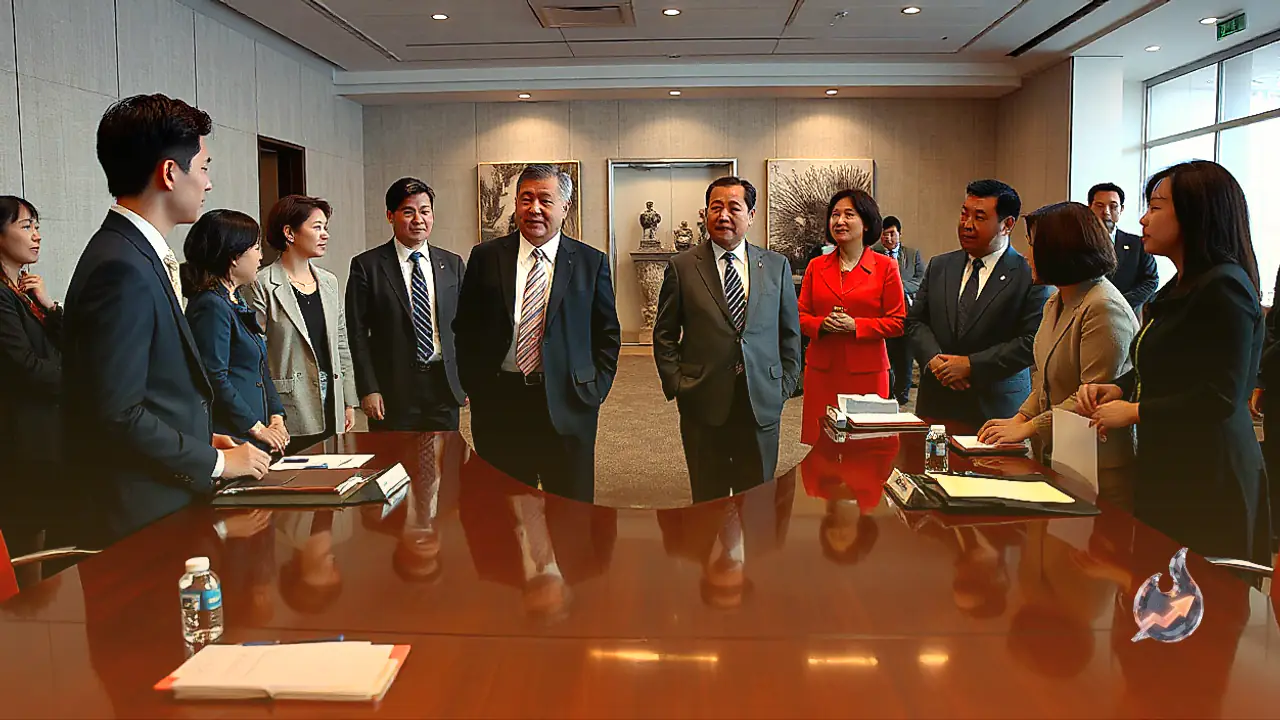





















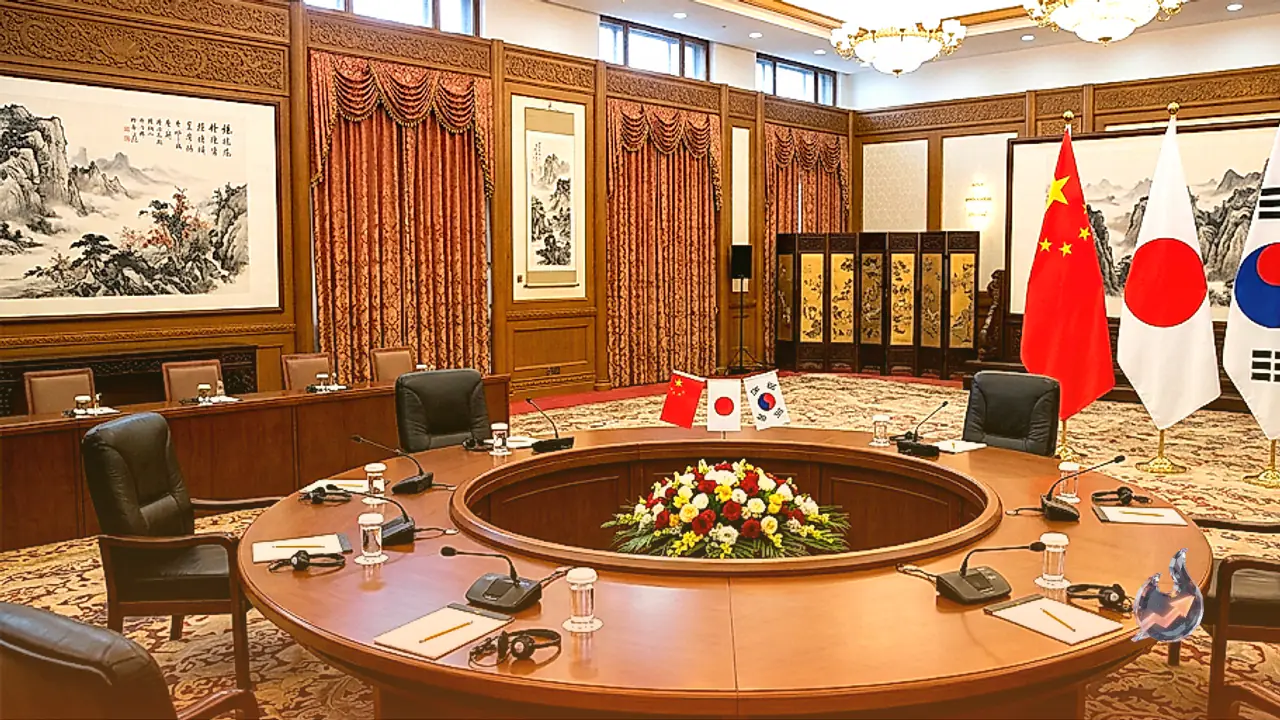

In a major shift on the global diplomatic stage, the leaders of three of the world's most powerful nations are set to sit across the table together for the very first time. US President Donald Trump, Russian President Vladimir Putin, and Chinese President Xi Jinping will participate in a historic trilateral meeting next Thursday in Shenzhen, China. Held on the sidelines of the Asia-Pacific Economic Cooperation (APEC) summit, this special gathering will primarily focus on critical issues surrounding nuclear arms control and global security, while also touching upon broader geopolitical concerns.
Initiating Dialogue on Nuclear Arsenals
The primary objective of this inaugural trilateral discussion is to kickstart dialogue aimed at reducing the sheer volume of nuclear weapons worldwide. Washington is keen for major global powers to seriously consider scaling back their nuclear stockpiles. However, US administration officials have made it clear that no formal agreements should be expected from this initial meeting. Instead, it is being viewed as a foundational stepping stone for future diplomatic engagements and ongoing talks.
Addressing China's Growing Nuclear Stockpile
A significant underlying goal of this diplomatic push is to curb China's rapid expansion of nuclear weapons. According to a senior White House official, Beijing's nuclear arsenal is currently expanding at the fastest rate in the world. The US maintains that China must engage in trilateral discussions alongside Russia and the US regarding nuclear restraint. American officials argue that the secretive manner in which China manages its nuclear data has a direct and destabilizing impact on global security as a whole.
Moscow Experience and Washington Strategy
In this dynamic, Russia brings decades of institutional memory to the table, having been involved in bilateral and multilateral nuclear control discussions since the era of the Soviet Union. Because of this extensive background, US officials anticipate that Moscow will navigate these talks with relative ease. Meanwhile, Donald Trump has consistently advocated for major pacts to downsize global nuclear stockpiles since his first term in office, arguing that maintaining weapons capable of destroying the planet multiple times over is exceptionally costly.
Technology Tensions and Economic Envoys
This high-profile summit takes place against a backdrop of ongoing technological friction between the US and China. Recent discussions have swirled around Nvidia chief Jensen Huang and questions surrounding his alleged ties related to corporate espionage. Nevertheless, US officials indicate that Trump will not raise the Nvidia controversy during his discussions with Xi Jinping. Trump will be accompanied on this trip by SpaceX and Tesla chief Elon Musk. Trump has long maintained that keeping strong channels of communication and good relations with leaders in Beijing and Moscow serves the best interests of the United States and the broader global community.
Rare Earth Minerals and Trade Disagreements
Beyond nuclear security, the discussions are expected to address lingering friction over bilateral trade agreements. According to US trade officials, a preliminary understanding was reached last year to ease trade tensions between the two economic powerhouses, but Washington contends that Beijing has failed to fully implement its commitments. Specifically, the US remains dissatisfied with the supply chain of rare earth minerals, which are vital for manufacturing advanced electronics, mobile devices, electric vehicles, and various high-tech applications.
China dominates the global market for refining and processing these essential minerals. Washington asserts that the export volume of these materials from China falls short of domestic and industrial demand. This ongoing friction led both nations to extend their trade agreement window by a mere two months instead of the standard six months. The US ultimately wants China to strictly adhere to and properly enforce the terms of the trade pact moving forward.