






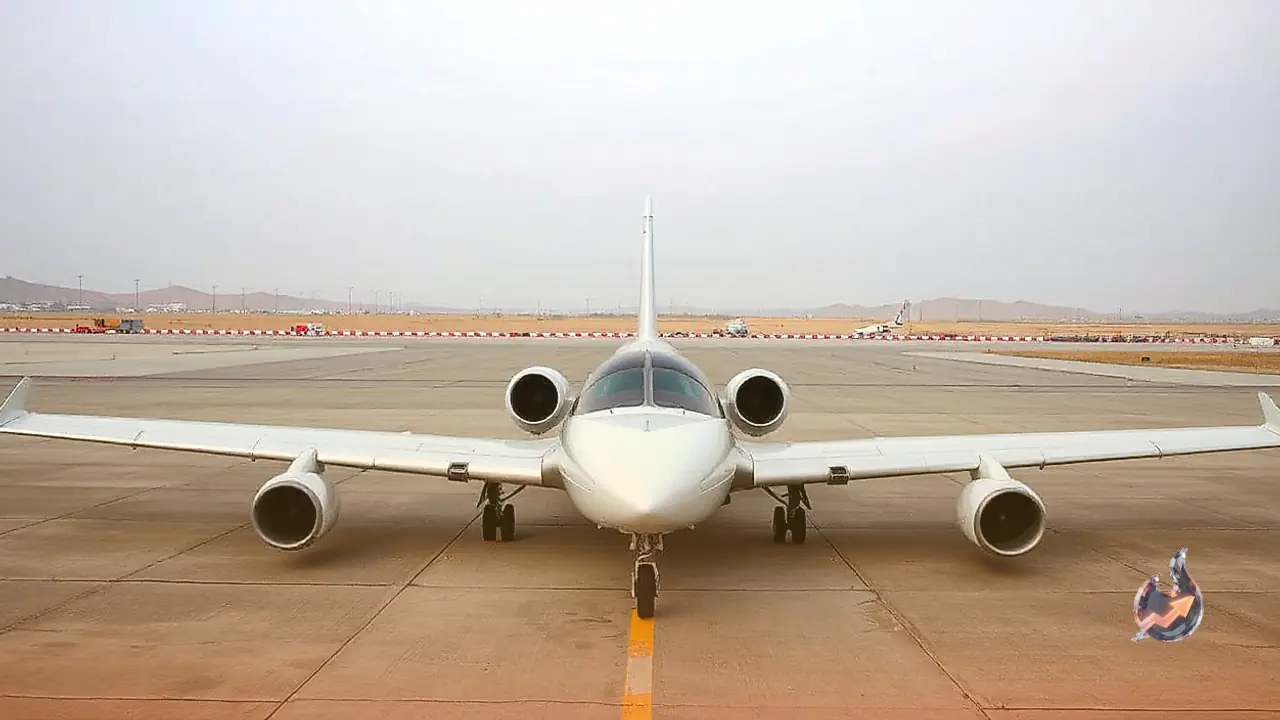
















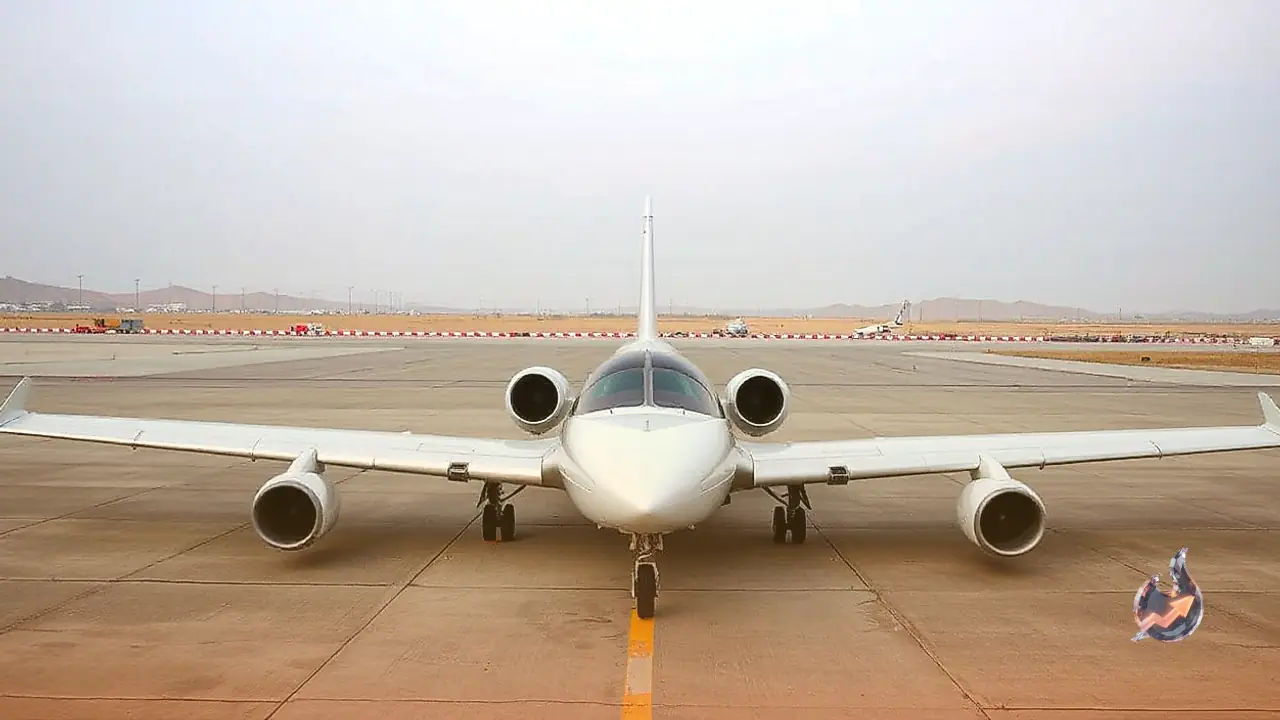

Aviation technology took a decisive step toward cleaner skies as China's state-owned aerospace manufacturer COMAC conducted the first crewed trial of its all-electric passenger aircraft, the CE-25A. Designed to operate entirely free of conventional aviation fuel, the aircraft accommodates up to 19 passengers and relies entirely on battery-powered propulsion. During this milestone test run, the aircraft carried a three-member crew comprising two pilots and one flight test engineer to monitor core avionics and aerodynamic stability under real-world operating conditions.
Flight Demonstration Over Binzhou in Shandong
The manned test took place on November 14 in the airspace over the city of Binzhou, located in Shandong province. The comprehensive test procedure lasted a total of 57 minutes and 46 seconds, with the aircraft remaining airborne for 16 minutes and 38 seconds. During the sortie, the plane ascended to a cruising altitude of 2400 meters while covering an aerial distance of 60.4 kilometers. COMAC reported that flight behavior remained stable throughout, with operating benchmarks meeting all technical expectations.
Wing-Mounted Ducted Fans Replace Jet Turbines
The technical foundation of the CE-25A lies in its electric propulsion architecture, which abandons traditional kerosene-burning combustion turbines. The aircraft features an array of wing-mounted, electrically driven ducted fans. These units channel and accelerate air rearward to produce the aerodynamic thrust necessary for taxiing, ascent, and sustained forward flight. This configuration minimizes acoustic noise levels while achieving zero operational carbon exhaust.
Speed, Weight Specifications, and Operational Range
In terms of physical parameters, the CE-25A is engineered with a maximum takeoff weight of 10 tons. It cruises at a top speed of 300 kilometers per hour. A fully charged battery system yields an operational flight range of approximately 400 kilometers. These specifications position the model primarily as a regional transport solution tailored for point-to-point connections between nearby municipal centers or secondary airports.
Certification Milestones and Global Race
The transition to human-piloted testing followed an extensive preliminary phase of automated operations. The development team completed 19 unmanned test flights during the prototype evaluation period, preceded by its maiden autonomous uncrewed flight on February 2, 2026. The manufacturing venture brings together several key industrial and academic entities, including battery specialist CATL, Shanghai Jiao Tong University, and related technical bodies.
Before entering commercial service, the aircraft must navigate comprehensive airworthiness evaluations. The Civil Aviation Administration of China (CAAC) has officially accepted the type certificate application for the model. The milestone unfolds amid intensifying international efforts in sustainable flight, with American firm Heart Aerospace developing a 36-passenger hybrid aircraft and Electra designing a 9-seat hybrid platform.