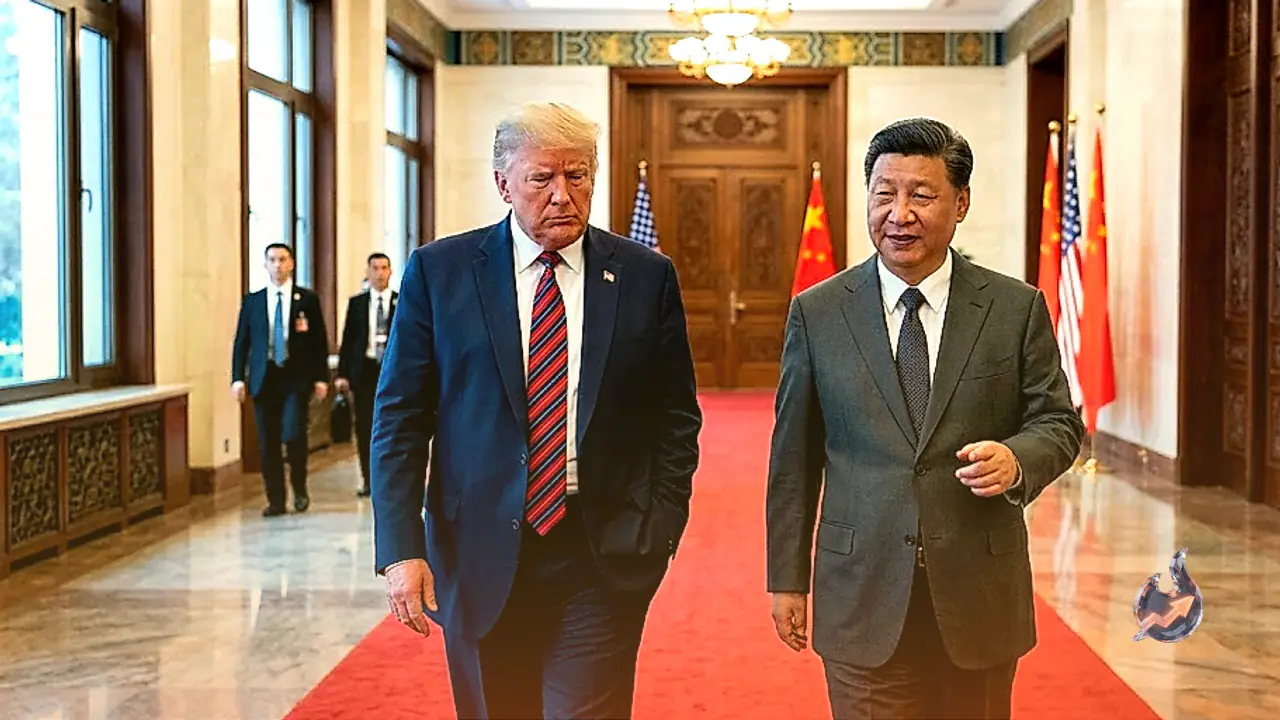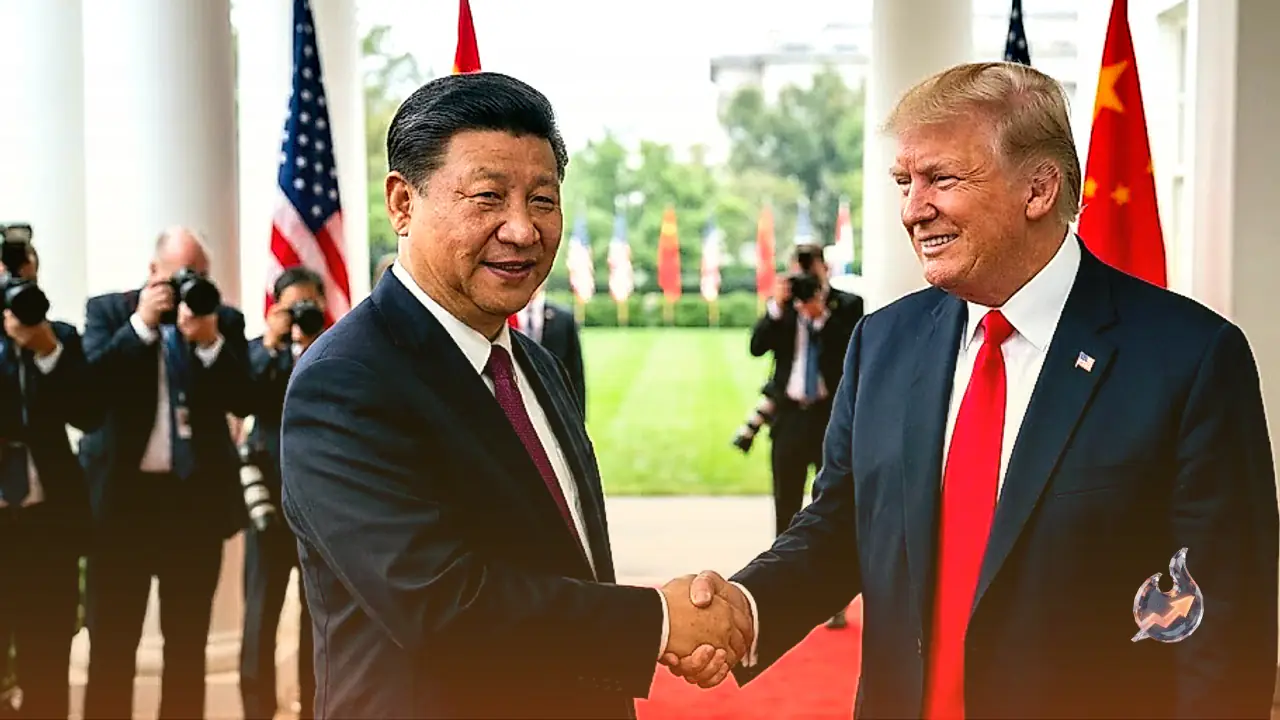







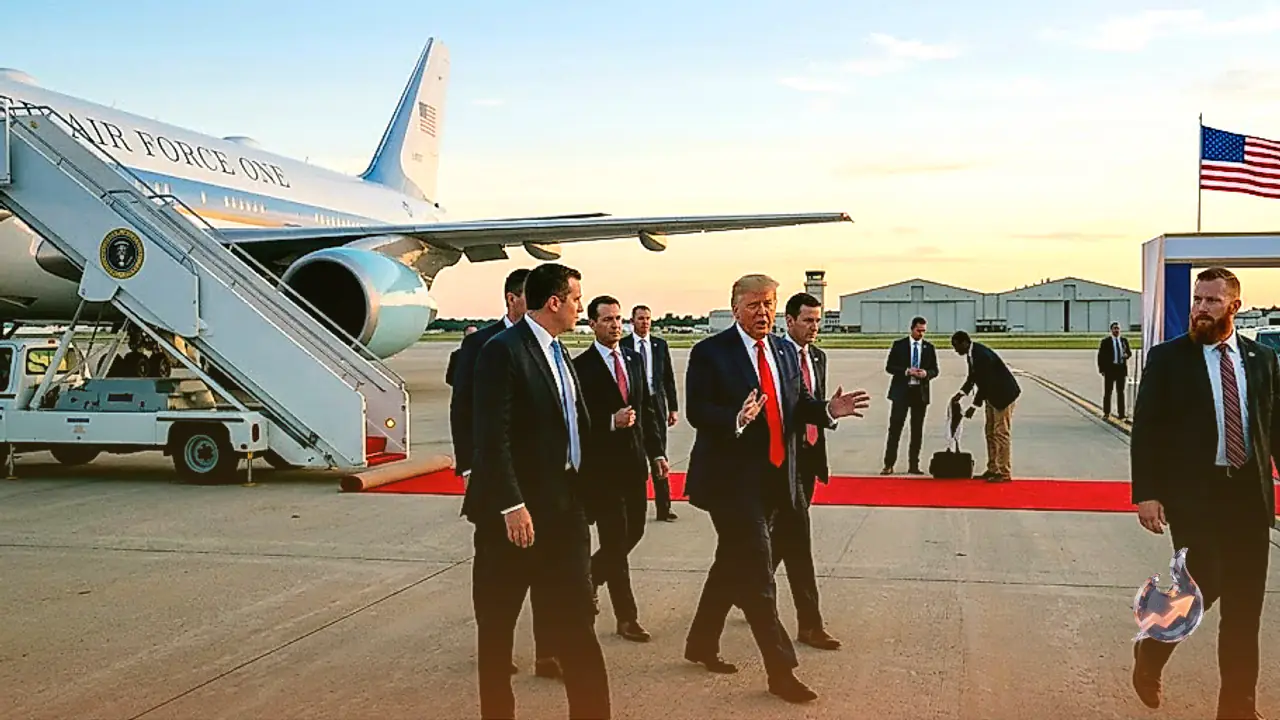















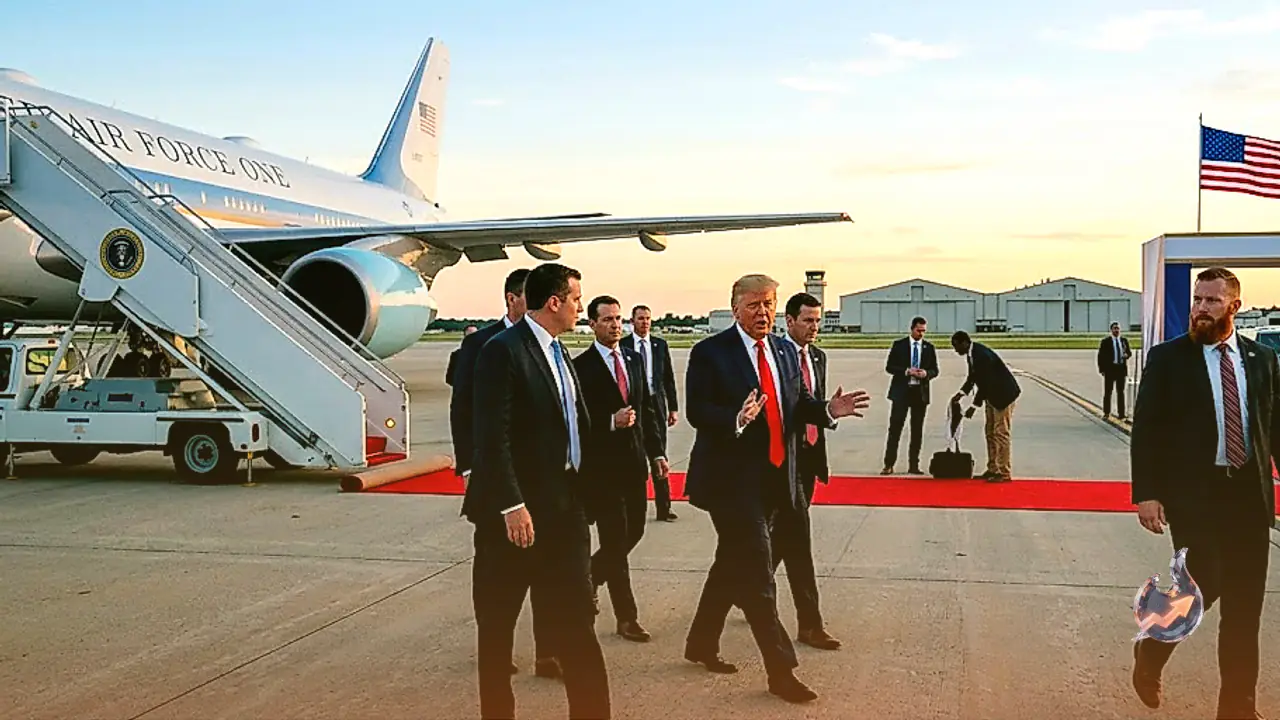

Shifting dynamics in global diplomacy often challenge traditional definitions of allies and adversaries, a reality currently unfolding as the United States and China prepare for another major engagement. Having previously described China as a primary adversary during his electoral campaigning, US President Donald Trump is now demonstrating a distinct diplomatic warmth toward Chinese President Xi Jinping. For the official visit commencing on September 24, Trump has decided to depart from traditional welcoming protocol by personally receiving Xi at the airport. This symbolic gesture highlights the intent of both leaders to project an image of direct engagement despite long-standing bilateral frictions.
Diplomatic Balancing via New York Talks with Japan
Just prior to the arrival of the Chinese leader, Donald Trump engaged in significant diplomatic positioning at the United Nations headquarters in New York by meeting with Japanese Prime Minister Sanae Takaichi. The discussion centered on reinforcing the US-Japan alliance and addressing emerging security challenges across Asia. Prime Minister Takaichi underscored the steady progress made in bilateral economic security cooperation, particularly in artificial intelligence, advanced semiconductors, and critical minerals.
The timing of the meeting carries substantial weight for regional power dynamics. Between Xi Jinping's visit to the United States and prospective dialogues involving China and Japan at the UN General Assembly, the events reflect intricate geopolitical maneuvering across the Indo-Pacific. While there remains room for structured agreements in trade and technological cooperation, persistent friction over territorial disputes and regional security continues to shape the strategic posture of all three nations.
Trade, Technology, and Regional Agendas
Discussions scheduled to begin on September 24 are set to address three primary pillars: bilateral trade, emerging technology, and the status of Taiwan. The two leaders are also expected to deliberate on Iran, a persistent point of contention in US-China relations due to divergent strategic approaches in the Middle East. Given that these complex issues were previously addressed during discussions in May 2026, observers do not anticipate major or historic breakthroughs, but rather an effort to manage existing friction points.
Artificial Intelligence and Supply Chain Agreements
Rapid technological advancement has placed artificial intelligence at the forefront of the bilateral agenda. Under an understanding reached approximately one year ago between the two leaders in Busan, South Korea, the United States consented to ease certain export controls on high-technology goods and reduce elevated tariffs on select Chinese imports. In exchange, China committed to maintaining the uninterrupted flow of rare earth and critical mineral supplies. With that Busan framework now up for renewal, both sides are seeking to extend the existing mechanisms through measured adjustments.
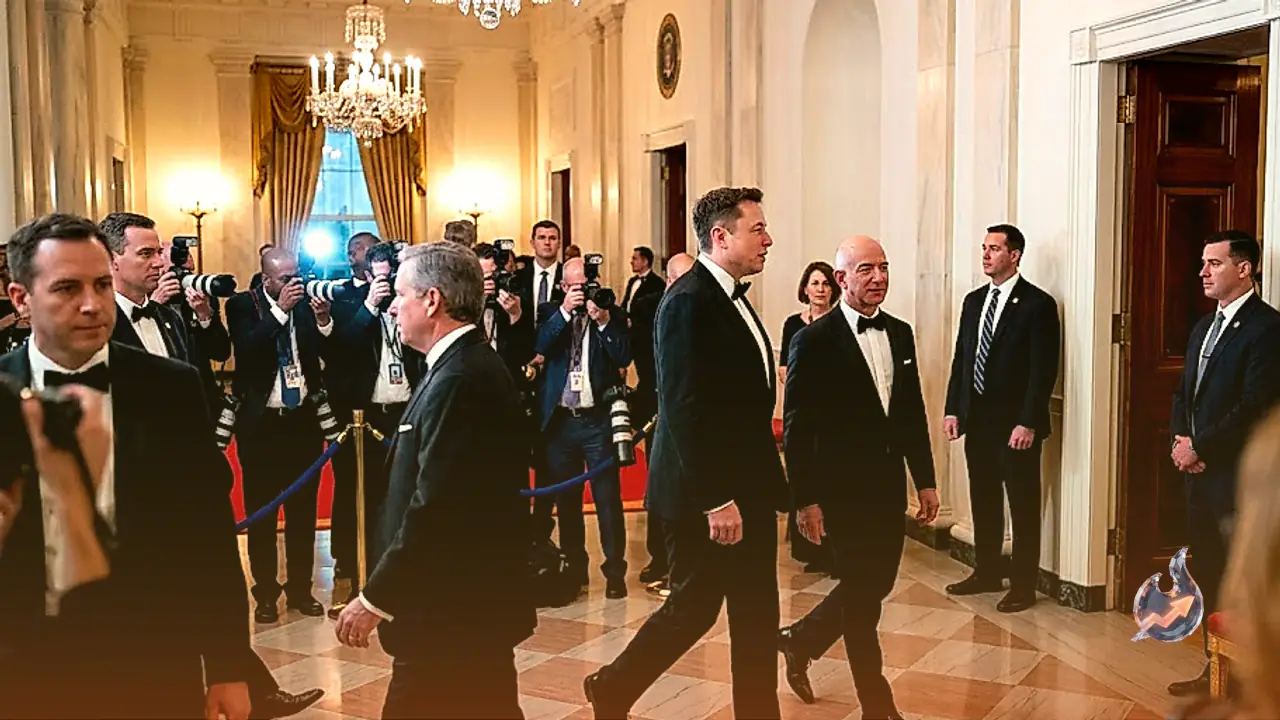
Proposals regarding specialized bodies such as a Board of Trade and a Board of Investment remain under consideration, although their specific operational frameworks have not yet been formalized. Furthermore, China may propose the inclusion of high-profile corporate chief executives in discussions, echoing the participation of leaders from companies like NVIDIA and Tesla during Trump's previous visit to Beijing.
Sensitive Deadlocks Over Taiwan and Maritime Security
Taiwan remains the most volatile issue on the summit table. President Donald Trump has maintained the established doctrine of strategic ambiguity, refraining from offering an explicit commitment to defend Taiwan militarily in the event of an attack by China. For his part, Xi Jinping is expected to cite the 1982 joint communique to press Washington to cease military sales to Taiwan. Beijing maintains that Taiwan is an integral part of its territory and regularly demands an end to foreign arms deliveries, while the United States remains legally obligated to provide Taiwan with sufficient means for self-defense.
Broader maritime and historical frictions continue to loom over the bilateral dynamic, including territorial disputes concerning the Senkaku Islands in the East China Sea. As Japan deepens its security and economic coordination with the United States in semiconductors, AI, and mineral supply chains, Beijing views this alignment as a direct counterweight to its own regional influence, ensuring that strategic competition will remain intense alongside cooperative overtures.