






















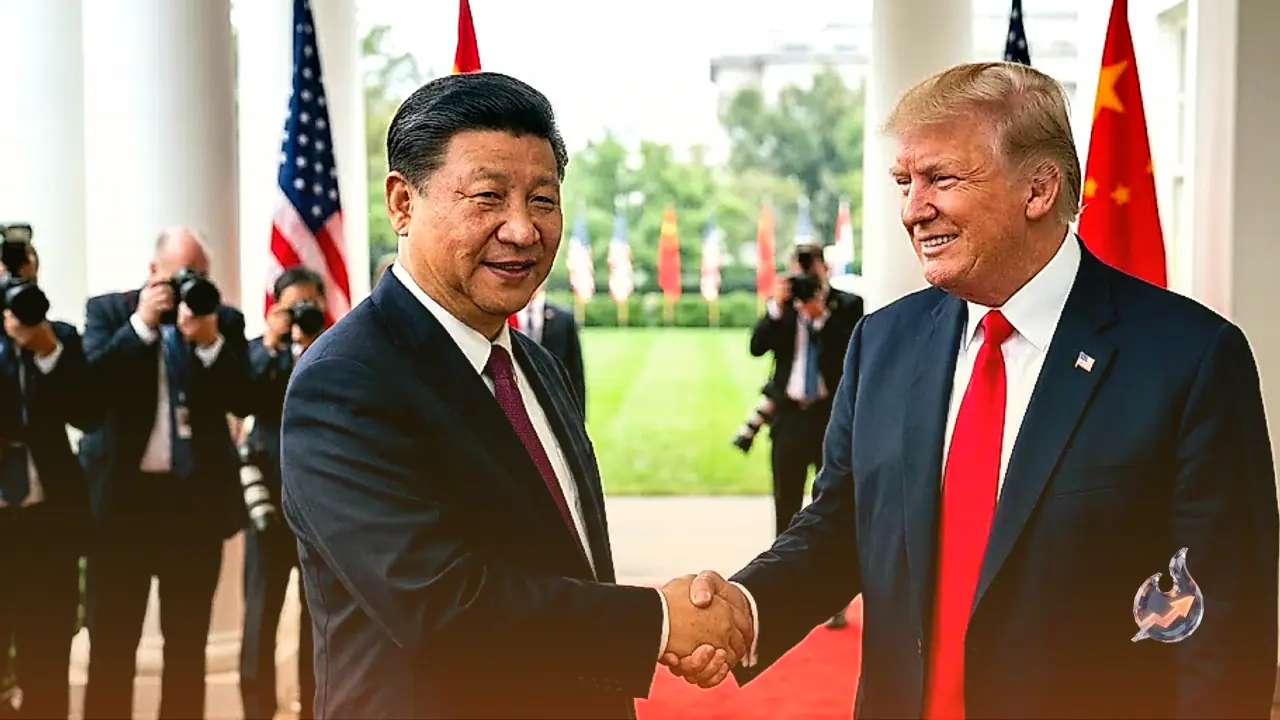

The leaders of the world's two largest economies are preparing for direct talks as Chinese President Xi Jinping travels to the United States this week for a three-day state visit. During this official trip, Xi will engage in extensive bilateral discussions with US President Donald Trump. Officials in Beijing confirmed on Monday that Xi will be in the United States from September 23 through September 25. The high-level gathering comes at a crucial juncture as Washington and Beijing seek pathways to de-escalate lingering tensions over cross-border trade, technology competition, and regional security dynamics.
Bilateral Ties and Strategic Stability on the Table
Detailing the framework of the diplomatic engagement, Chinese Foreign Ministry spokesperson Guo Jiakun stated on Monday that Xi and Trump will hold in-depth discussions covering China-US relations as well as major issues related to global peace and development. Guo emphasized that China intends to work constructively alongside the United States to enrich strategic stability, strengthen ongoing dialogue and cooperation, and responsibly manage disagreements between the two global powers through structured diplomacy.
Personal Welcome at Joint Base Andrews Ahead of Main Talks
Washington had previously signaled that a face-to-face summit between the heads of state would take place this week, aiming to cool friction spanning commerce, advanced technology, and broader strategic policy. A US official indicated that President Trump will personally welcome President Xi upon his arrival at Joint Base Andrews on Wednesday. The primary bilateral session between the two leaders is scheduled for Thursday, September 25. This reception marks a notable protocol contrast to Trump's earlier visit to China in May, where he was greeted upon arrival in Beijing by China's Vice President. Speaking to reporters aboard Air Force One on Sunday, Trump mentioned that he intends to discuss almost every issue with Xi.
Unresolved Tariffs and Taiwan Geopolitics
The economic stand-off between the two superpowers will form a critical component of the upcoming negotiations. For approximately a year, both sides have operated under a temporary understanding regarding tariffs, yet a permanent, comprehensive trade agreement remains unfinalized. In addition to commercial disputes and technical friction, military and strategic tensions surrounding Taiwan are slated to feature prominently on the agenda. Taiwan has consistently stood as one of the most sensitive and volatile geopolitical flashpoints in the bilateral relationship, with both administrations navigating deep disagreements over the island's security environment.