























In the world of cricket, memorable moments are often defined by explosive boundary hitting, blistering strike rates, and fast-paced centuries. However, the true essence and grueling challenge of Test cricket frequently lie in patience, grit, and defending one's wicket against impossible odds. On 30 July 2016 at the historic Galle International Stadium in Sri Lanka, Test cricket witnessed one of the most unconventional world records ever recorded. Facing a crushing defeat, two Australian tailenders abandoned all intentions of scoring runs, chose absolute defense, and successfully blocked 154 consecutive dot balls to create a lasting piece of cricket history.
The Legacy and Nature of the Galle Pitch
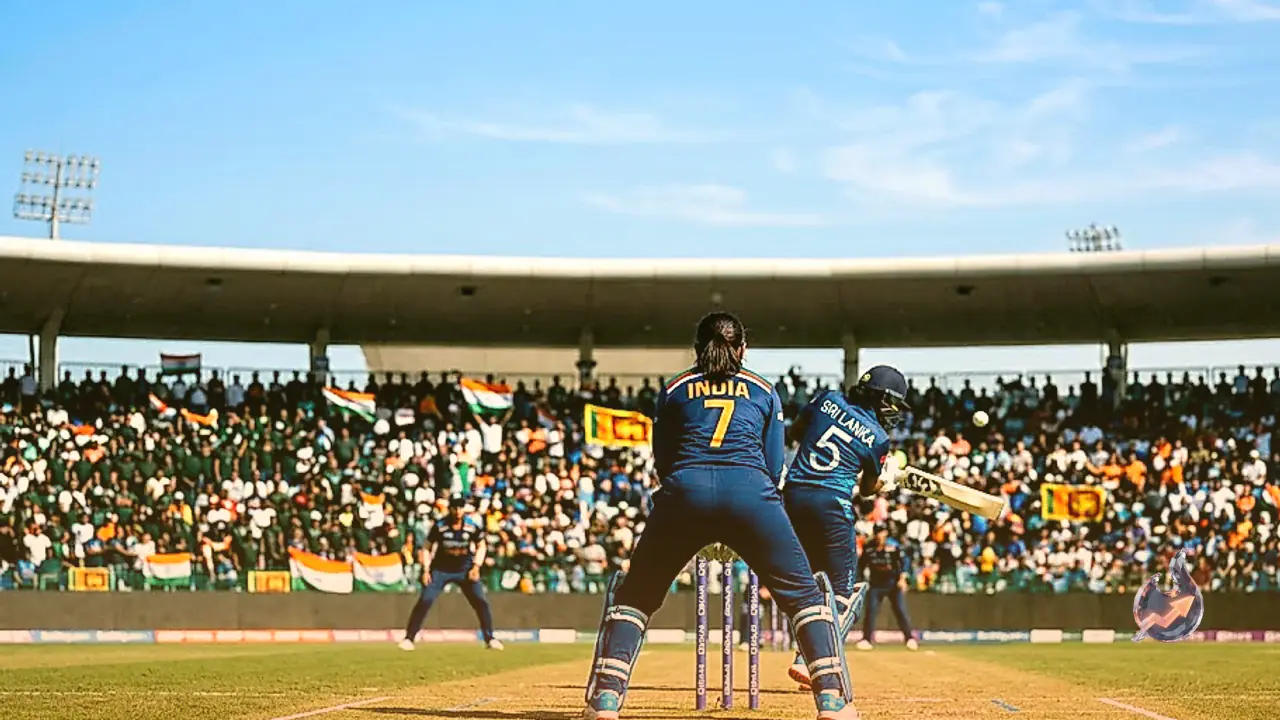
Sri Lanka's Galle venue has long been renowned for its treacherous turning tracks that test the technical capability of visiting batters. Indian cricket fans recall the venue for contrasting outcomes, such as India's tough defeat during the 2015 tour, followed by a dominant performance in 2017 driven by impressive centuries from Shikhar Dhawan and Cheteshwar Pujara. However, the 2016 clash between Australia and Sri Lanka carved out its own unique place in test archives, not through a deluge of runs, but through an extraordinary display of defensive resilience by Australian lower-order batters.
Peter Nevill and Steve O'Keefe Stand Tall Against Defeat
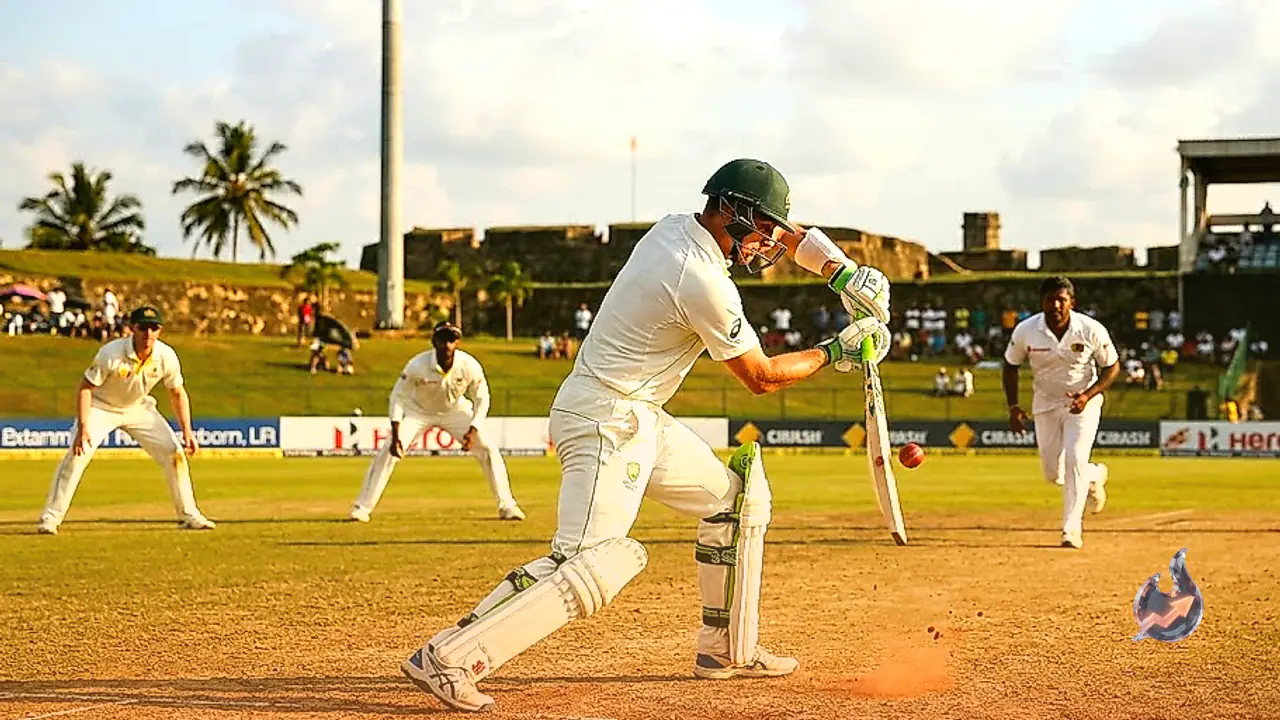
On the fifth and final day of the Test, Australia found themselves in dire straits as Sri Lanka's formidable spin attack wreaked havoc on the turning pitch. With defeat looming large, wicketkeeper-batsman Peter Nevill was joined at the crease by spin bowler Steve O'Keefe. The duo faced a daunting task to save the match. With no realistic possibility of chasing down a target, their sole objective became remaining at the pitch, stonewalling every delivery, and eating up remaining overs to force a draw.
The Unbelievable 154 Dot Balls Across 25.4 Overs
What followed was an extraordinary exhibition of stonewalling defense against hostile spin bowling. Peter Nevill and Steve O'Keefe erected an unbreakable block against the Sri Lankan bowlers, playing 154 consecutive dot balls without yielding a single run. Spanning 25.4 overs, this period of absolute deadlock demanded extraordinary mental endurance and concentration, as both batters repeatedly defended delivery after delivery on a sharply turning pitch.
The Slowest Partnership Record in Test Cricket History
In total, the Nevill-O'Keefe partnership lasted for 174 balls, yielding just 4 runs. This marathon effort registered a partnership run-rate of a mere 0.13 runs per over, establishing an all-time world record for the lowest run-rate in any Test partnership lasting over 100 balls. Although Australia eventually failed to secure a draw as Sri Lanka clinched victory before the close of play, the incredible fortitude displayed by Nevill and O'Keefe won widespread admiration from cricket enthusiasts worldwide.
Significance of the Record in the Era of Fast-Paced Cricket
In the contemporary era dominated by T20 formats and aggressive batting strategies, the record of 154 consecutive dot balls stands as a towering testament to classic Test match endurance. It serves as a reminder that the thrill of red-ball cricket lies not only in attacking strokes, but also in unyielding resolve during extreme pressure. Surviving 25.4 overs without taking a single run remains a feat that modern batters are unlikely to surpass anytime soon.