























The notorious 2018 ball-tampering controversy has drawn fresh criticism as former England player and match referee Chris Broad launched a scathing attack on Australia's former head coach Darren Lehmann. Broad asserted that Lehmann should have faced strict accountability for the incident that transpired during the tour of South Africa. The renewed scrutiny follows revelations in Usman Khawaja's book ‘Sabr’, where the Australian batsman disclosed that every member of the squad was well aware of the use of sandpaper on the field.
Questions Over the Head Coach's Awareness
Weighing in on the revelations, Broad questioned how a head coach could possibly remain oblivious to such a major plot executed by his players. In a media interaction, Broad stated that Darren Lehmann definitely knew everything about it, adding that if he genuinely had no idea, he had no business being the coach. Broad expressed deep frustration that Lehmann walked away relatively unscathed, noting that while he stepped down from his position a few months later, no official ban was ever imposed on him.
Recalling Past Ashes Friction and Criticisms
Broad also brought up a past feud stemming from the 2013 Ashes series, when Lehmann had publicly targeted his son and former England fast bowler Stuart Broad. During that match, Stuart Broad had refused to walk off the pitch despite being caught at slip, prompting Lehmann to issue stern warnings about what would happen when England toured Australia. Referencing that history, Broad remarked on the hypocrisy of an Australian coach who came to the field with sandpaper denying any prior knowledge of the scheme.
The Infamous Cape Town Test Incident
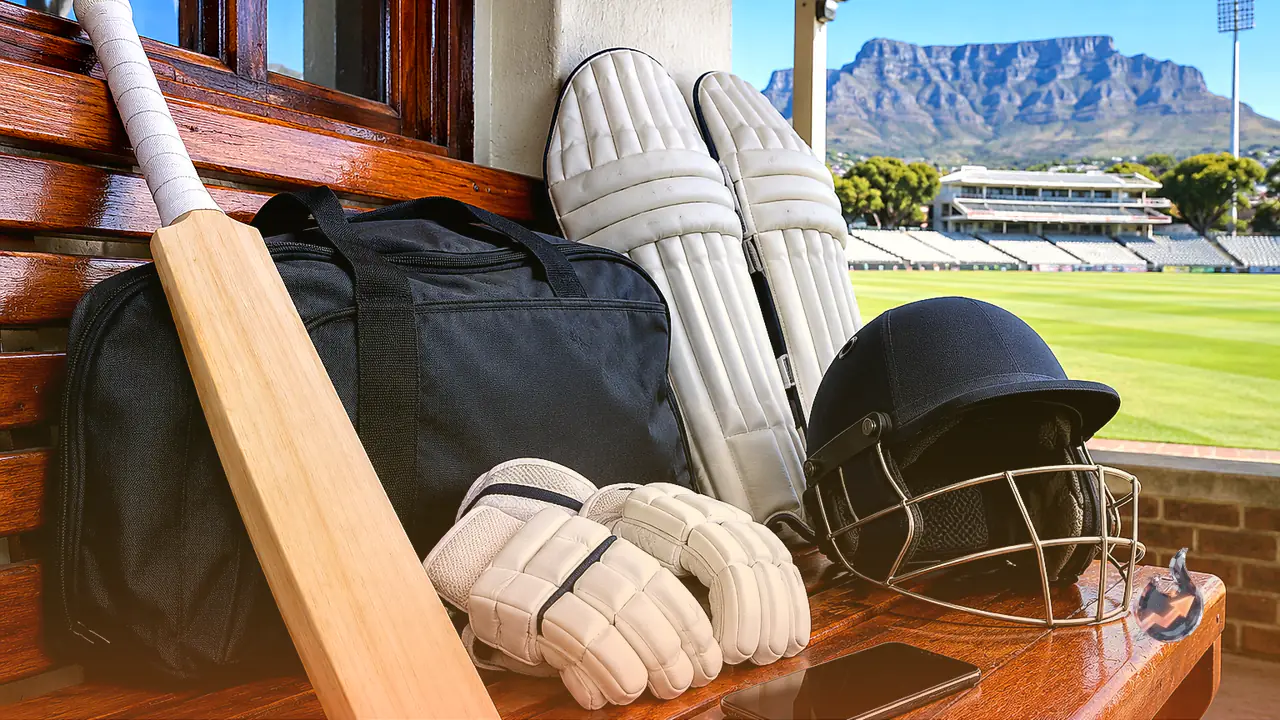
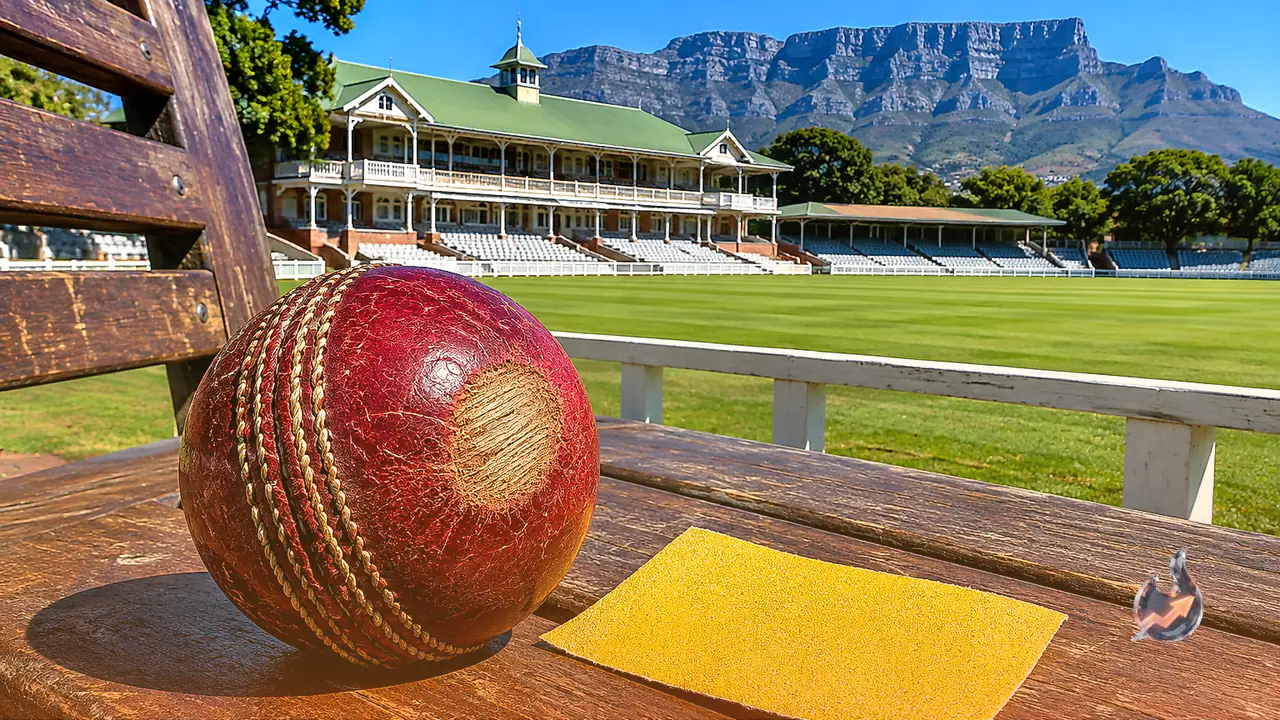
The scandal originally erupted in March 2018 during the third Test match against South Africa in Cape Town, when Cameron Bancroft was caught on camera attempting to alter the condition of the ball using sandpaper. The fallout was severe, leading to one-year suspensions for the then-captain Steve Smith and vice-captain David Warner, while Bancroft received a nine-month ban from both international and domestic cricket. However, the questions raised now focus squarely on why the coaching staff avoided severe disciplinary actions at the time.