



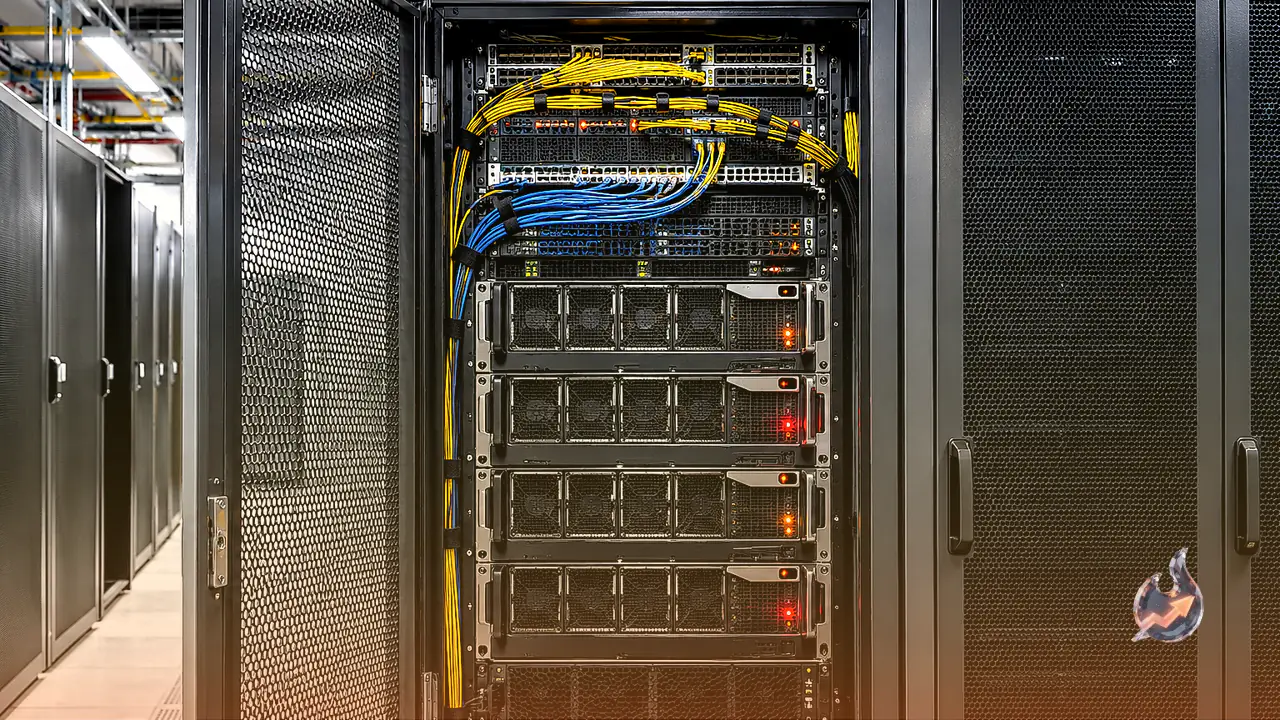

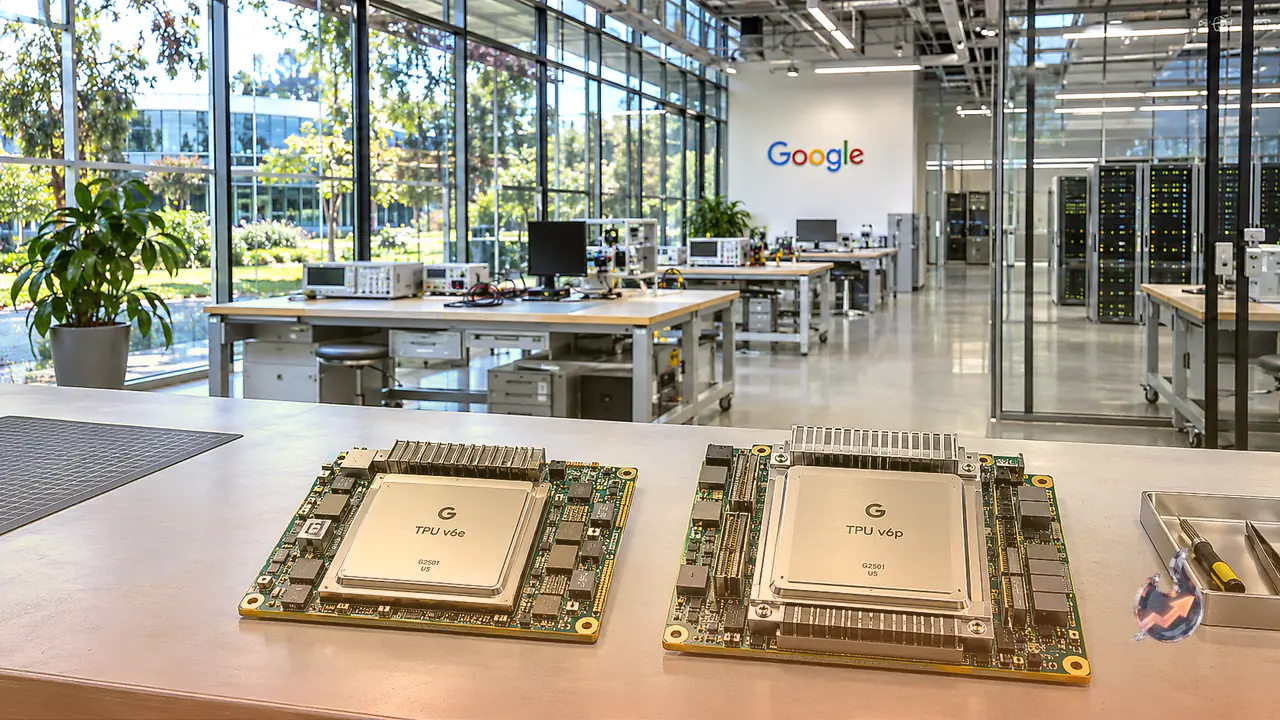
















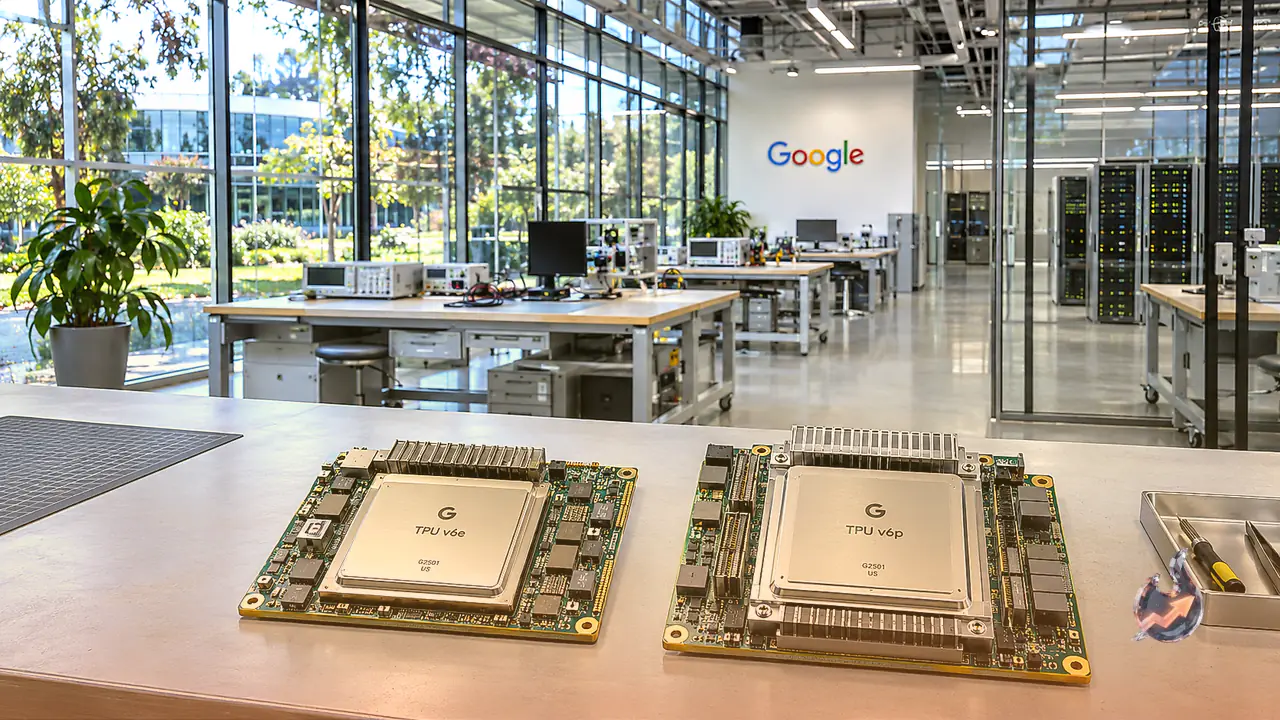

Google is ramping up its custom silicon strategy to decrease its reliance on external suppliers for its cloud computing infrastructure. The tech giant unveiled two specialized variants of its Tensor Processing Units, designed specifically to handle artificial intelligence workloads, expanding its portfolio into confidential inference and higher memory capacity for demanding tasks.
Eighth-Generation Expansion
The newly announced units, designated as TPU 8tx and TPU 8i Max, extend the capabilities of the company's eighth-generation chip lineup that was introduced earlier this year in April, building directly upon previous architectures geared toward enhanced inference capacity and massive training demands.
Enhanced Security with TPU 8tx
Developed alongside AMD and built on the foundation of the TPU 8t chip, the TPU 8tx is engineered specifically for the confidential training and execution of AI models, according to a company blog post. The hardware embeds security directly into the physical layer, ensuring sensitive information and model weights remain protected and isolated even during active operations. Additionally, the silicon features a custom inferencing network enabling simultaneous reasoning and training, allowing organizations to distill and train smaller models dynamically without needing to transfer proprietary data across external devices.
Doubled Capacity with TPU 8i Max
Meanwhile, the TPU 8i Max integrates two of the inference-focused TPU 8i chips launched in April into a single unified package, effectively doubling bandwidth, processing power, and memory capacity. This hardware configuration enables AI models to ingest and process a significantly broader scope of information during user queries.
Industry Shift Away From Dominance
This hardware release arrives as major cloud hyperscalers such as Microsoft and Amazon, alongside prominent AI research labs like OpenAI and Anthropic, race to develop proprietary AI semiconductors and accompanying software designed to bypass Nvidia's market dominance.
Vulnerable Timing for Competitors
The announcement coincides with a turbulent period for market leader Nvidia, whose CEO Jensen Huang over the weekend admitted to having an affair with an individual alleged to be a Chinese spy.