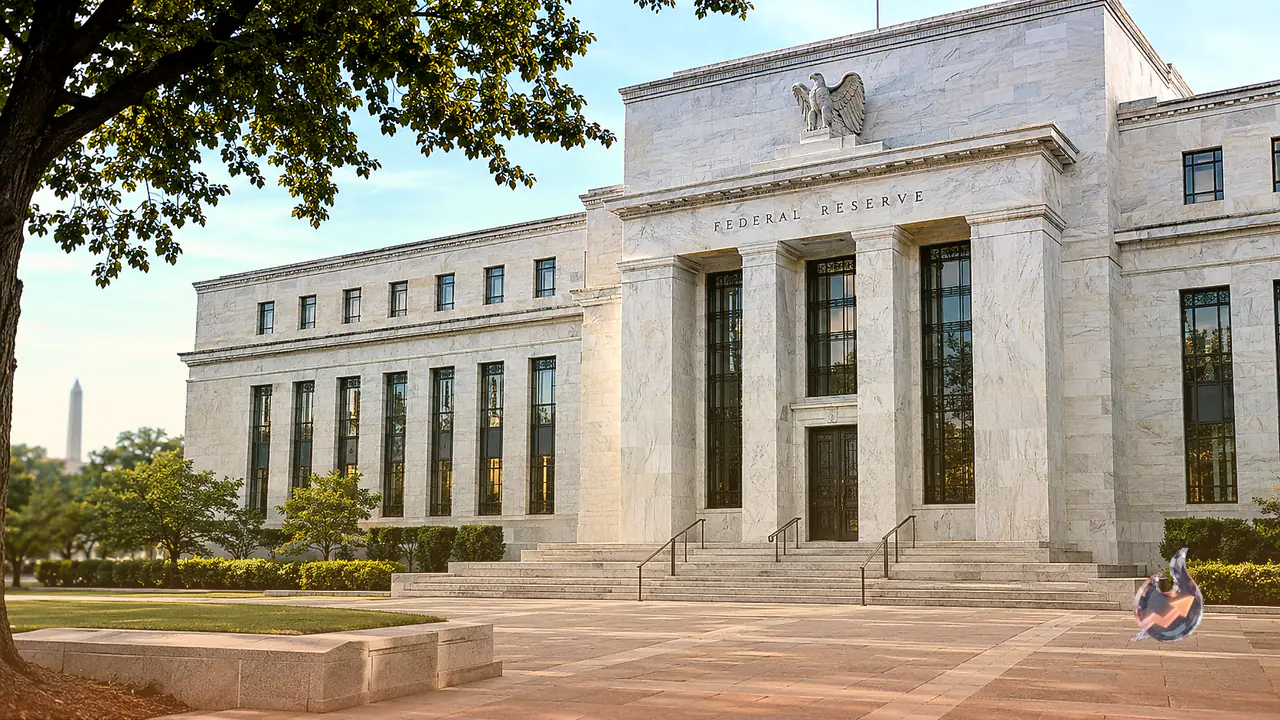


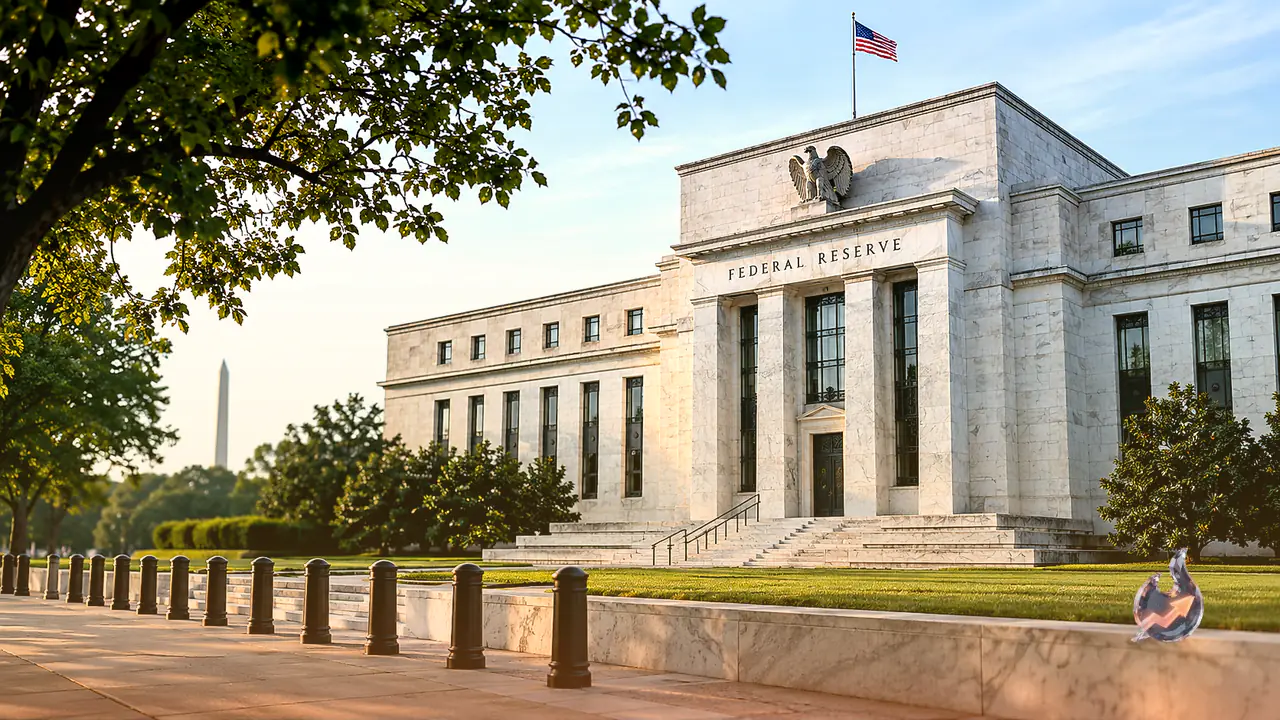





















A fresh surge in US Consumer Price Index (CPI) figures has sent shockwaves across global financial markets, driving investors to sharply reprice expectations for the Federal Reserve's monetary policy path. The hotter-than-anticipated inflation print has triggered a sharp rise in US Treasury yields, bolstering the US Dollar while placing varied pressures on foreign exchange pairs, precious metals, and digital assets.
Federal Reserve Repricing and Rate Hike Expectations
Market pricing reflects a decisive shift toward a more hawkish Federal Reserve stance. Expectations for rate hikes at the upcoming December meeting rose from 21.0 basis points on Monday to 27.7 basis points by Tuesday's market close, hitting 28.5 basis points by Wednesday morning. This confirms that a 25 basis point hike is fully priced into the curve, with futures markets also discounting a 14% chance of a larger 50 basis point increase.
Looking further down the yield curve, the rate priced in for the September 2027 FOMC meeting climbed by 22.3 basis points in a single session, indicating that investors have built almost a full additional rate hike into next year's terminal trajectory. Reflecting this macro shift, economists at Deutsche Bank updated their official Federal Reserve forecast to incorporate an additional rate increase in January. US Treasuries experienced immediate selling pressure, sending yields higher across all tenors.
Foreign Exchange Dynamics: AUD/USD and USD/JPY
In currency markets, AUD/USD managed a modest recovery toward 0.6900 during Wednesday's Asian session, bouncing off its lowest levels since March. However, hawkish commentary from Federal Open Market Committee members has practically cemented a December hike, providing structural support to the greenback and likely capping upside potential for the Australian currency. Emerging hopes of diplomatic progress between the US and Iran have momentarily paused the dollar's momentum.
Meanwhile, USD/JPY struggled to maintain momentum above a near one-month high, staying constrained below the 159.00 handle. Threat of official market intervention by Japanese authorities provided support to the Japanese Yen, while safe-haven demand for the US Dollar chilled slightly on headlines surrounding US-Iran peace talks.
Gold Attempts Recovery as Bitcoin Faces Persistent ETF Outflows
Gold prices advanced beyond $4,050 per ounce ahead of the European trading session, clawing back a portion of the steep losses suffered on Tuesday. Despite the rebound, strong US inflation readings and expectations of prolonged policy tightening by the Fed continue to support the US Dollar, which should temper sustained upside momentum for non-yielding bullion.
In digital assets, Bitcoin traded tightly around $73,800 after dropping to a session low of $72,727 following the inflation report. Institutional appetite remains subdued, as spot BTC Exchange Traded Funds recorded $95 million in net outflows on Tuesday, marking four consecutive days of capital flight. Analysis from K33 Research highlighted heightened risk of sharp price fluctuations for BTC as leverage builds across derivatives markets.
Energy Costs and Broader Inflation Outlook
While Brent crude prices have plunged roughly one-third since mid-October on expectations of an end to hostilities in Iran, ancillary expenses such as freight, diesel, and fertilizer have not mirrored this decline. These stubborn input costs are projected to pass through to US consumer prices in waves through 2027, potentially sustaining underlying inflationary pressures even as retail gasoline prices ease.